August 9, 2026
LATEST
New EU Gas Market Rules Take Effect With Consumer SafeguardsDeforestation Regulation Holds Its December Deadline Despite CutsDigital Omnibus Delays Europe’s High-Risk AI Deadline to 2027Europe’s Schools Confront a Widening Basic Skills GapRule of Law Report Finds Progress but Trust Still LagsIRIS2 Gains 66 Satellites as Brussels Signs the Rollout DealNature Restoration Plans Come Due as Member States Race a DeadlineECB Rates Hold at 2.25 Percent as Frankfurt Waits on the DataEU Budget Talks Turn to Cohesion as Ireland Takes OverWildfire Response Stretches Europe’s Emergency Fleet ThinCan Europe’s Quantum Plan Match Its Big Ambitions?Armenia Edges West as Moscow’s Grip Slips AwayEurope Inherits the World’s Aid Bill It Cannot Fully PayAir Passenger Rights Get Their First Overhaul in Two DecadesErasmus Opens a 5 Billion Euro Round for Skills and MobilityCeuta Crisis Pushes the EU Toward Faster Migrant ReturnsBulky Parcels Face a Packaging Crackdown From August 12Can Europe Build Its Drone Wall Before 2030 Arrives?Indonesia’s Trade Deal With Europe Nears Its Final SignatureEurope Leans on Beijing to Keep Climate Talks Alive Before AntalyaNew EU Gas Market Rules Take Effect With Consumer SafeguardsDeforestation Regulation Holds Its December Deadline Despite CutsDigital Omnibus Delays Europe’s High-Risk AI Deadline to 2027Europe’s Schools Confront a Widening Basic Skills GapRule of Law Report Finds Progress but Trust Still LagsIRIS2 Gains 66 Satellites as Brussels Signs the Rollout DealNature Restoration Plans Come Due as Member States Race a DeadlineECB Rates Hold at 2.25 Percent as Frankfurt Waits on the DataEU Budget Talks Turn to Cohesion as Ireland Takes OverWildfire Response Stretches Europe’s Emergency Fleet ThinCan Europe’s Quantum Plan Match Its Big Ambitions?Armenia Edges West as Moscow’s Grip Slips AwayEurope Inherits the World’s Aid Bill It Cannot Fully PayAir Passenger Rights Get Their First Overhaul in Two DecadesErasmus Opens a 5 Billion Euro Round for Skills and MobilityCeuta Crisis Pushes the EU Toward Faster Migrant ReturnsBulky Parcels Face a Packaging Crackdown From August 12Can Europe Build Its Drone Wall Before 2030 Arrives?Indonesia’s Trade Deal With Europe Nears Its Final SignatureEurope Leans on Beijing to Keep Climate Talks Alive Before Antalya
August 9, 2026
LATEST
New EU Gas Market Rules Take Effect With Consumer SafeguardsDeforestation Regulation Holds Its December Deadline Despite CutsDigital Omnibus Delays Europe’s High-Risk AI Deadline to 2027Europe’s Schools Confront a Widening Basic Skills GapRule of Law Report Finds Progress but Trust Still LagsIRIS2 Gains 66 Satellites as Brussels Signs the Rollout DealNature Restoration Plans Come Due as Member States Race a DeadlineECB Rates Hold at 2.25 Percent as Frankfurt Waits on the DataEU Budget Talks Turn to Cohesion as Ireland Takes OverWildfire Response Stretches Europe’s Emergency Fleet ThinCan Europe’s Quantum Plan Match Its Big Ambitions?Armenia Edges West as Moscow’s Grip Slips AwayEurope Inherits the World’s Aid Bill It Cannot Fully PayAir Passenger Rights Get Their First Overhaul in Two DecadesErasmus Opens a 5 Billion Euro Round for Skills and MobilityCeuta Crisis Pushes the EU Toward Faster Migrant ReturnsBulky Parcels Face a Packaging Crackdown From August 12Can Europe Build Its Drone Wall Before 2030 Arrives?Indonesia’s Trade Deal With Europe Nears Its Final SignatureEurope Leans on Beijing to Keep Climate Talks Alive Before AntalyaNew EU Gas Market Rules Take Effect With Consumer SafeguardsDeforestation Regulation Holds Its December Deadline Despite CutsDigital Omnibus Delays Europe’s High-Risk AI Deadline to 2027Europe’s Schools Confront a Widening Basic Skills GapRule of Law Report Finds Progress but Trust Still LagsIRIS2 Gains 66 Satellites as Brussels Signs the Rollout DealNature Restoration Plans Come Due as Member States Race a DeadlineECB Rates Hold at 2.25 Percent as Frankfurt Waits on the DataEU Budget Talks Turn to Cohesion as Ireland Takes OverWildfire Response Stretches Europe’s Emergency Fleet ThinCan Europe’s Quantum Plan Match Its Big Ambitions?Armenia Edges West as Moscow’s Grip Slips AwayEurope Inherits the World’s Aid Bill It Cannot Fully PayAir Passenger Rights Get Their First Overhaul in Two DecadesErasmus Opens a 5 Billion Euro Round for Skills and MobilityCeuta Crisis Pushes the EU Toward Faster Migrant ReturnsBulky Parcels Face a Packaging Crackdown From August 12Can Europe Build Its Drone Wall Before 2030 Arrives?Indonesia’s Trade Deal With Europe Nears Its Final SignatureEurope Leans on Beijing to Keep Climate Talks Alive Before Antalya

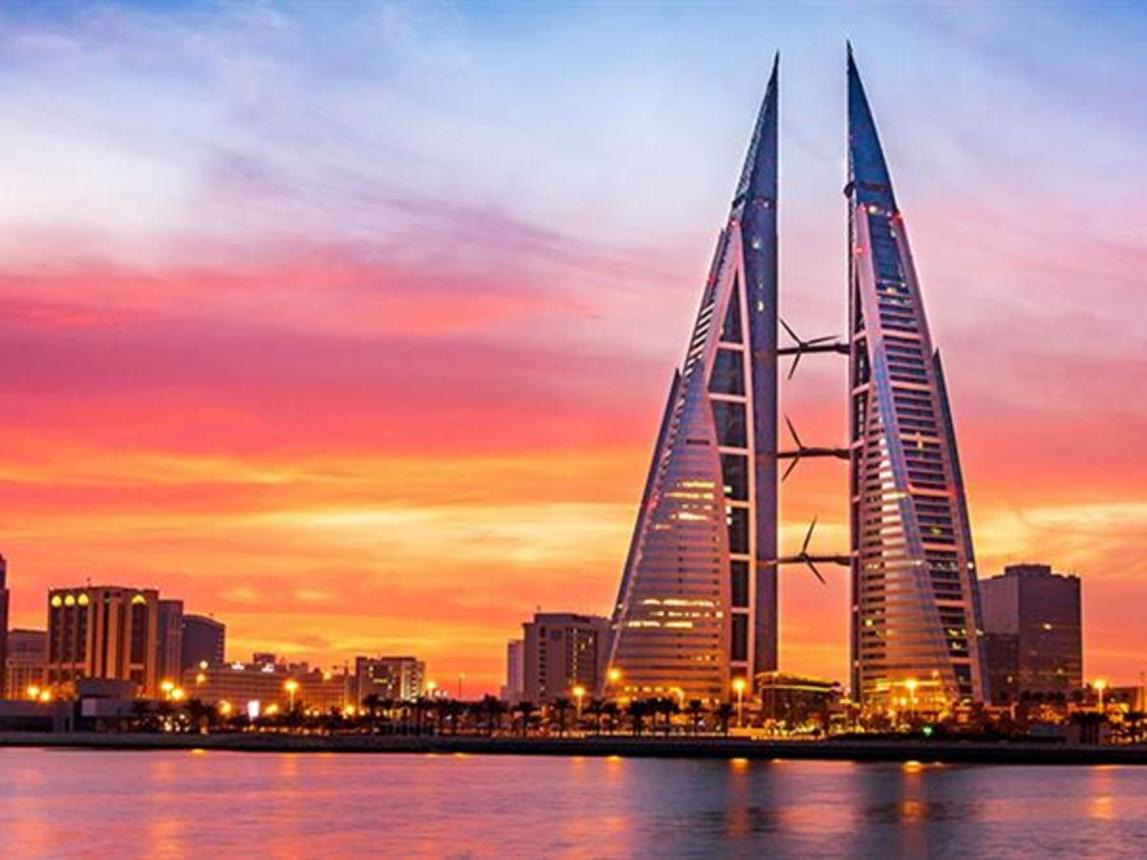
Bahrain Anchors Europe’s First Gulf Partnership Deal

Manama: Europe has spent a decade calling the Gulf a strategic partner and rarely turning that language into treaties. On 13 July 2026 the pattern broke. In Brussels, EU foreign policy chief Kaja Kallas and Mediterranean Commissioner Dubravka Suica opened formal talks with Bahrain on a Strategic Partnership Agreement, the first the Union has ever pursued with a single Gulf state.

That makes this Gulf partnership more than another communique. It hands the smallest Gulf monarchy a head start over far larger neighbours and gives a diffuse regional relationship a bilateral spine. Bahrain, a financial hub wedged between Saudi Arabia and Iran and home to a busy stretch of Gulf shipping, wants the recognition. Brussels wants a foothold.

The timing is not accidental. The forum that produced the announcement centred on regional security, and both sides put the Strait of Hormuz at the heart of it. They restated that freedom of navigation through the strait rests on international law, and they promised to coordinate on protecting the shipping lanes that carry a fifth of the world’s oil. For a bloc that imports most of its energy, those sentences carry weight.

Europe reads the Gulf differently than it did five years ago. Officials now speak the language of de-risking, and they see the Gulf states as a way to diversify supply chains, court sovereign investment and blunt China’s growing reach across the region. The Commission has folded much of this into its Global Gateway agenda, and a legally binding pact with Bahrain gives that ambition a concrete anchor.

Bahrain gains leverage of its own. A deal with Brussels lets Manama present itself as the Gulf’s most Europe-facing capital, ahead of wealthier rivals still negotiating collectively through the six-member bloc. It also nudges the stalled trade conversation between the two regions, which has drifted for years, back toward something workable.

Sceptics have a fair point. Bahrain’s record on political dissent and labour rights sits awkwardly beside the values the Union claims to export, and the text now under negotiation will test how far Brussels bends principle to secure position. A partnership agreement is not a free pass, but nor has European scrutiny historically slowed deals that serve a strategic purpose.

The wider prize sits a few months out. The second EU-Gulf summit is due in Riyadh this autumn, and a working template with Bahrain would give Brussels something to show the rest of the bloc. Get the first Gulf partnership right, and the others become easier to imagine.

What to watch now is pace. Negotiations that open with fanfare can stall over fishing quotas of the diplomatic kind, from human rights clauses to investment guarantees. But the direction is set. Europe has decided the Gulf is too important to keep at arm’s length, and Bahrain has volunteered to prove the point.