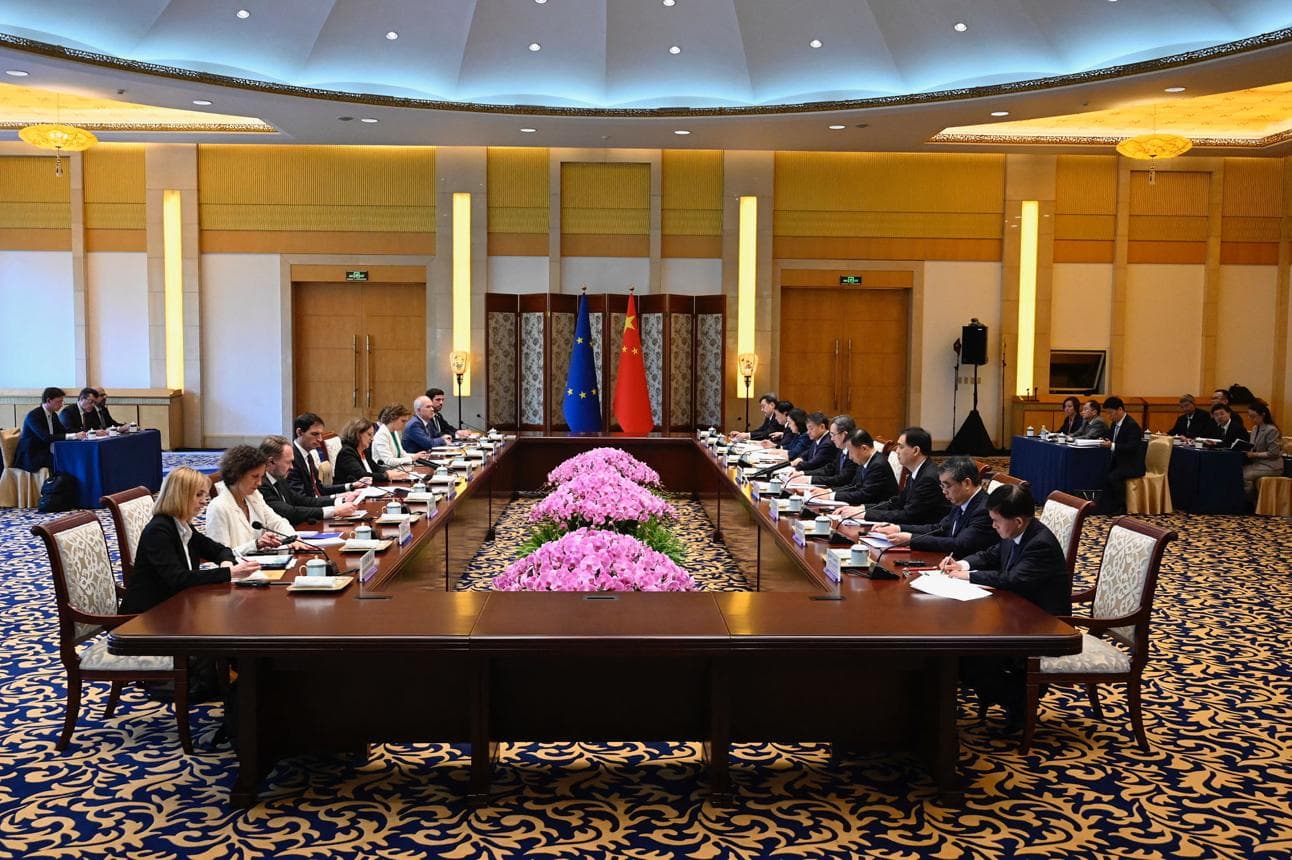
Brussels: The European Union enters the second half of 2026 with a China relationship that is neither rupture nor reset, but something analysts have taken to calling a “do no harm” phase. The phrase is revealing. After Beijing tightened rare earth export controls in late 2025 and sent a tremor through European supply chains, the bloc has quietly retired the warm partnership language of a decade ago and begun treating its economic exposure to China as a security problem to be managed rather than a commercial relationship to be deepened.
The arithmetic explains the hardening mood. The EU’s goods trade deficit with China reached roughly €360 billion last year, a gap that Commission Vice-President Stéphane Séjourné has openly said requires “rebalancing.” That word does a lot of work. It signals a Europe no longer content to absorb a structural imbalance as the price of access to Chinese demand, and increasingly willing to deploy the trade-defence instruments it spent the past five years building.
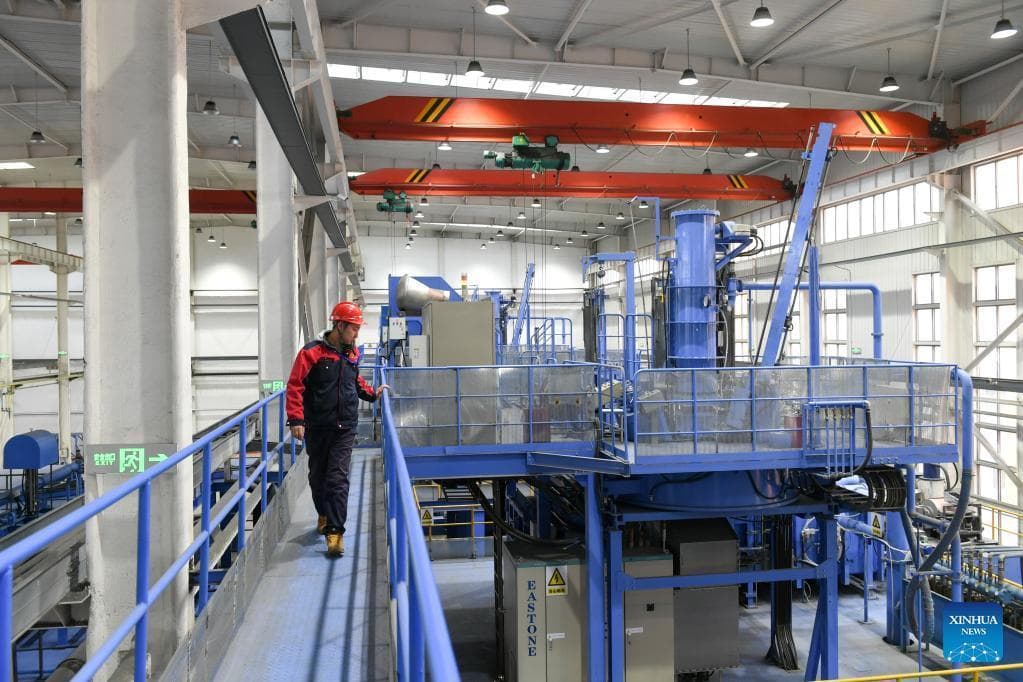
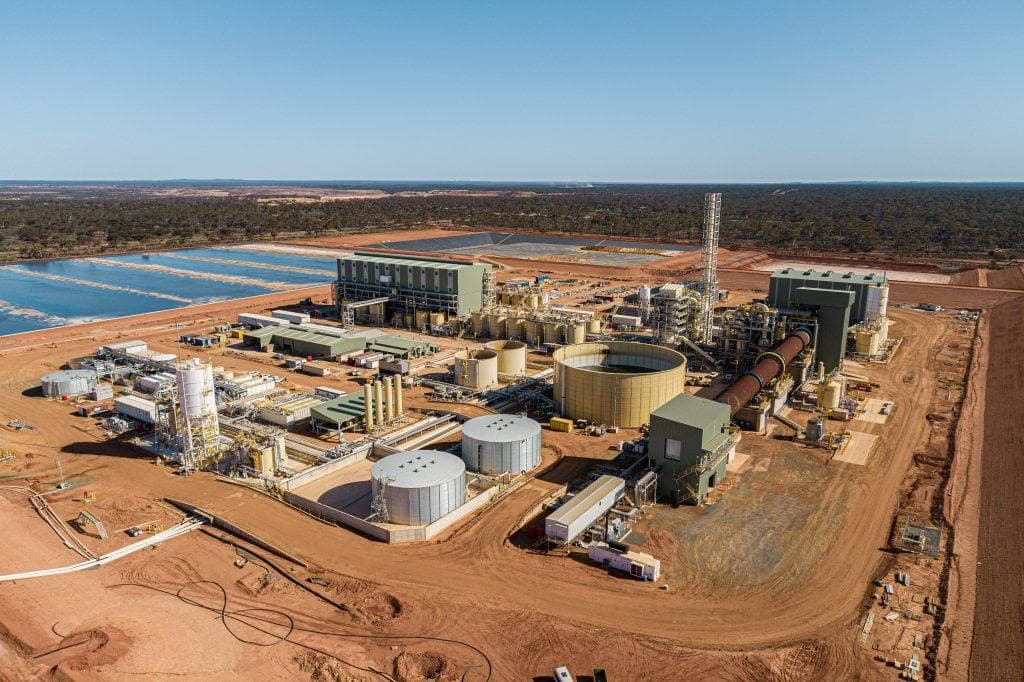
Rare earths sit at the centre of the anxiety. China commands close to 60 percent of global production and, more importantly, around 90 percent of the world’s processing and refining capacity. Europe can open mines, but a mineral dug in Sweden or Portugal still tends to travel to China to be turned into something usable. That chokepoint is what allowed Beijing’s 2025 licensing regime to function as leverage, and it is why European officials now speak of critical raw materials in the vocabulary of deterrence rather than commerce.
The Commission’s response is an economic security communication intended to act as an operating system for the bloc’s expanding arsenal of trade, competition and screening tools. The ambition is to stop using these instruments in isolation and instead coordinate them, so that inbound investment screening, anti-coercion measures, stockpiling and diversification partnerships pull in the same direction. It is an attempt to give de-risking, a slogan that has floated around Brussels since 2023, an actual machinery.
Whether that machinery bites is another matter. De-risking is expensive, slow and politically awkward. German carmakers and chemical groups remain deeply embedded in the Chinese market, and several member states are wary of measures that invite retaliation against their exporters. Beijing, for its part, has shown it can calibrate pressure precisely, loosening or tightening export licences to reward restraint and punish assertiveness. The result is a relationship of managed competition in which both sides probe limits while avoiding open confrontation.
For Europe the deeper test is patience. Building processing capacity, qualifying alternative suppliers in Africa and Latin America, and recycling magnets at scale are projects measured in years, not budget cycles. The temptation will be to declare victory with a few headline diversification deals while the underlying dependence persists. The honest reading of 2026 is that Europe has finally named its vulnerability clearly. Closing it will take longer than the political attention span that produced the diagnosis.