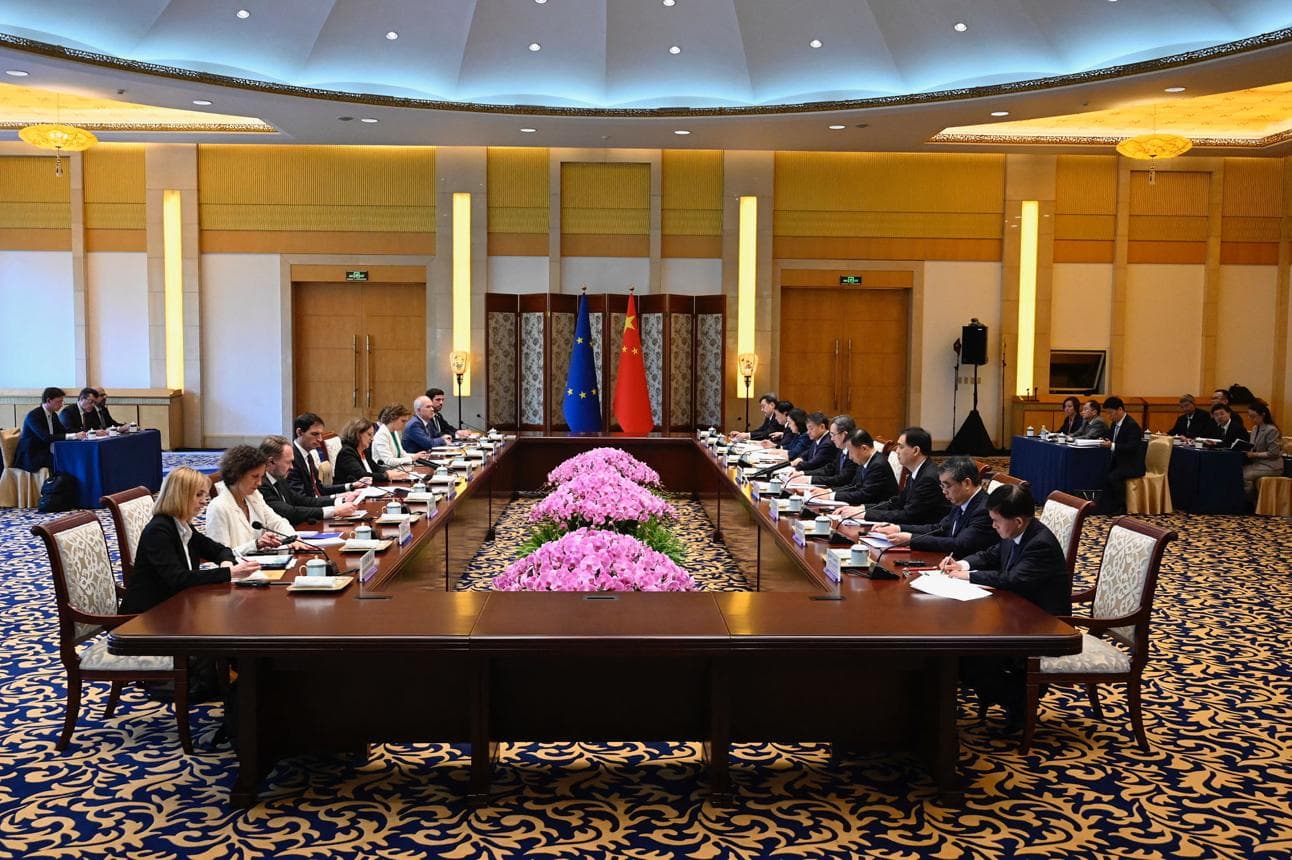
Brussels: Eighteen months after the European Union imposed countervailing duties of up to 35.3 percent on Chinese-built electric vehicles, the two sides are quietly negotiating their way out of the tariff trap they built. In January the European Commission published the conditions under which Chinese exporters could swap those duties for a system of minimum import prices, set model by model and configuration by configuration. No final agreement has been reached, but the direction of travel is unmistakable: Brussels would rather manage Chinese competition than wall it off.
The logic is partly defensive. Tariffs raise the sticker price of a BYD or an MG without stopping the cars from arriving, and they invite retaliation against European exports that China has already targeted, from brandy to pork to large-engine vehicles. A minimum import price, by contrast, lets Chinese manufacturers keep their margins rather than handing the difference to EU customs, which is precisely why several of them prefer it. The Commission’s own guidance allows the floor to be calculated from an exporter’s historical prices plus the duty margin, or pegged to a comparable European battery-electric model.
Critics inside the bloc see a clumsy bargain. Analysts at Bruegel and CEPR have warned that price undertakings are notoriously hard to monitor, easy to circumvent through bundling and financing tricks, and weaker than tariffs at protecting European producers because they hand the rents to Beijing rather than to Brussels. A floor on the import price of a vehicle says nothing about the subsidised batteries, software or after-sales packages that travel with it. The risk is a regime that looks tough on paper and leaks in practice.
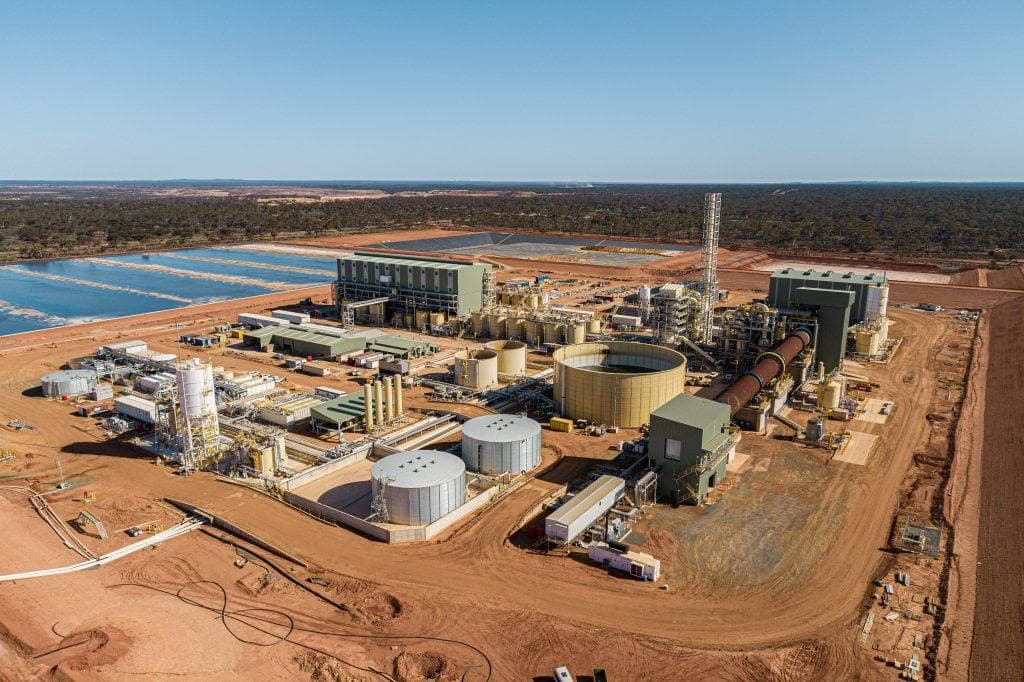
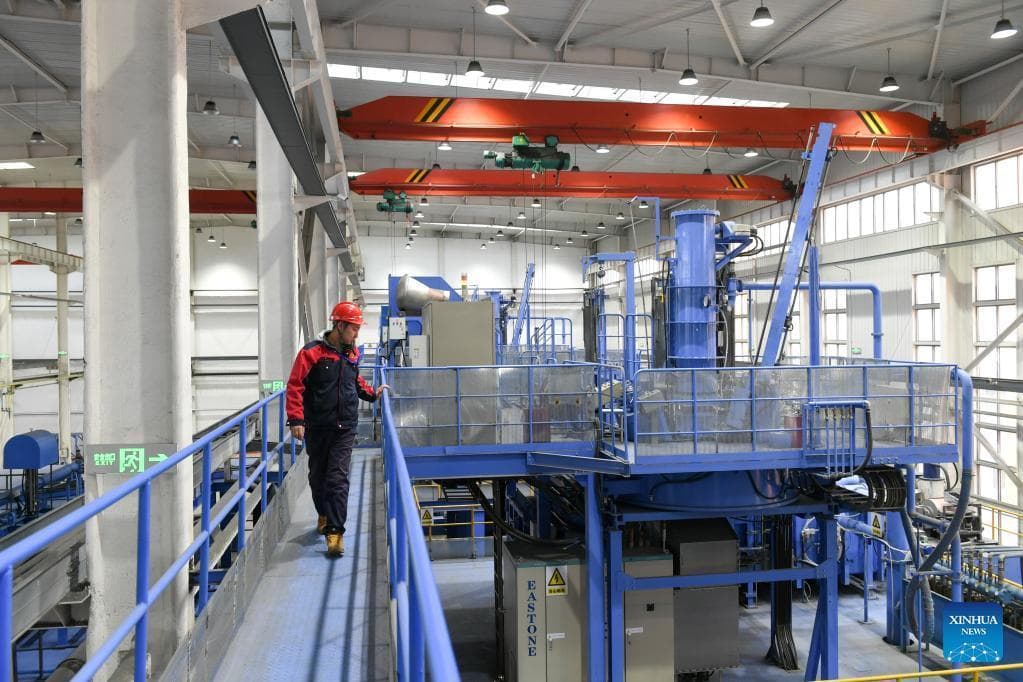
What gives China leverage at the table is not cars but raw materials. Two waves of rare-earth export controls in 2025, the second suspended only until November 2026, reminded Europe that it sources roughly 85 percent of its light rare earths and the overwhelming majority of its finished magnets from a single supplier. Every magnet in an electric motor is a reminder that the EV dispute runs both ways. Beijing can slow the very transition Brussels is trying to protect, and both capitals know it.
That interdependence is reshaping how Brussels defines a win. The Commission no longer talks about decoupling from China but about managing exposure while it builds alternatives, a posture it calls de-risking. A negotiated price floor fits that mood. It buys time for European carmakers to retool, keeps Chinese investment such as battery plants in Hungary and Spain flowing, and avoids a full-blown trade war at a moment when Washington’s own tariffs are straining the transatlantic relationship.
The danger is that time bought is not always time used. If European manufacturers treat a price floor as permanent shelter rather than a temporary runway, the bloc will simply have locked in higher prices for its own consumers without closing the competitiveness gap. The smarter reading is that any deal with Beijing should be judged not by the floor it sets today but by whether Europe’s industry is stronger when the arrangement expires. On current evidence, that verdict remains open.