August 9, 2026
LATEST
New EU Gas Market Rules Take Effect With Consumer SafeguardsDeforestation Regulation Holds Its December Deadline Despite CutsDigital Omnibus Delays Europe’s High-Risk AI Deadline to 2027Europe’s Schools Confront a Widening Basic Skills GapRule of Law Report Finds Progress but Trust Still LagsIRIS2 Gains 66 Satellites as Brussels Signs the Rollout DealNature Restoration Plans Come Due as Member States Race a DeadlineECB Rates Hold at 2.25 Percent as Frankfurt Waits on the DataEU Budget Talks Turn to Cohesion as Ireland Takes OverWildfire Response Stretches Europe’s Emergency Fleet ThinCan Europe’s Quantum Plan Match Its Big Ambitions?Armenia Edges West as Moscow’s Grip Slips AwayEurope Inherits the World’s Aid Bill It Cannot Fully PayAir Passenger Rights Get Their First Overhaul in Two DecadesErasmus Opens a 5 Billion Euro Round for Skills and MobilityCeuta Crisis Pushes the EU Toward Faster Migrant ReturnsBulky Parcels Face a Packaging Crackdown From August 12Can Europe Build Its Drone Wall Before 2030 Arrives?Indonesia’s Trade Deal With Europe Nears Its Final SignatureEurope Leans on Beijing to Keep Climate Talks Alive Before AntalyaNew EU Gas Market Rules Take Effect With Consumer SafeguardsDeforestation Regulation Holds Its December Deadline Despite CutsDigital Omnibus Delays Europe’s High-Risk AI Deadline to 2027Europe’s Schools Confront a Widening Basic Skills GapRule of Law Report Finds Progress but Trust Still LagsIRIS2 Gains 66 Satellites as Brussels Signs the Rollout DealNature Restoration Plans Come Due as Member States Race a DeadlineECB Rates Hold at 2.25 Percent as Frankfurt Waits on the DataEU Budget Talks Turn to Cohesion as Ireland Takes OverWildfire Response Stretches Europe’s Emergency Fleet ThinCan Europe’s Quantum Plan Match Its Big Ambitions?Armenia Edges West as Moscow’s Grip Slips AwayEurope Inherits the World’s Aid Bill It Cannot Fully PayAir Passenger Rights Get Their First Overhaul in Two DecadesErasmus Opens a 5 Billion Euro Round for Skills and MobilityCeuta Crisis Pushes the EU Toward Faster Migrant ReturnsBulky Parcels Face a Packaging Crackdown From August 12Can Europe Build Its Drone Wall Before 2030 Arrives?Indonesia’s Trade Deal With Europe Nears Its Final SignatureEurope Leans on Beijing to Keep Climate Talks Alive Before Antalya
August 9, 2026
LATEST
New EU Gas Market Rules Take Effect With Consumer SafeguardsDeforestation Regulation Holds Its December Deadline Despite CutsDigital Omnibus Delays Europe’s High-Risk AI Deadline to 2027Europe’s Schools Confront a Widening Basic Skills GapRule of Law Report Finds Progress but Trust Still LagsIRIS2 Gains 66 Satellites as Brussels Signs the Rollout DealNature Restoration Plans Come Due as Member States Race a DeadlineECB Rates Hold at 2.25 Percent as Frankfurt Waits on the DataEU Budget Talks Turn to Cohesion as Ireland Takes OverWildfire Response Stretches Europe’s Emergency Fleet ThinCan Europe’s Quantum Plan Match Its Big Ambitions?Armenia Edges West as Moscow’s Grip Slips AwayEurope Inherits the World’s Aid Bill It Cannot Fully PayAir Passenger Rights Get Their First Overhaul in Two DecadesErasmus Opens a 5 Billion Euro Round for Skills and MobilityCeuta Crisis Pushes the EU Toward Faster Migrant ReturnsBulky Parcels Face a Packaging Crackdown From August 12Can Europe Build Its Drone Wall Before 2030 Arrives?Indonesia’s Trade Deal With Europe Nears Its Final SignatureEurope Leans on Beijing to Keep Climate Talks Alive Before AntalyaNew EU Gas Market Rules Take Effect With Consumer SafeguardsDeforestation Regulation Holds Its December Deadline Despite CutsDigital Omnibus Delays Europe’s High-Risk AI Deadline to 2027Europe’s Schools Confront a Widening Basic Skills GapRule of Law Report Finds Progress but Trust Still LagsIRIS2 Gains 66 Satellites as Brussels Signs the Rollout DealNature Restoration Plans Come Due as Member States Race a DeadlineECB Rates Hold at 2.25 Percent as Frankfurt Waits on the DataEU Budget Talks Turn to Cohesion as Ireland Takes OverWildfire Response Stretches Europe’s Emergency Fleet ThinCan Europe’s Quantum Plan Match Its Big Ambitions?Armenia Edges West as Moscow’s Grip Slips AwayEurope Inherits the World’s Aid Bill It Cannot Fully PayAir Passenger Rights Get Their First Overhaul in Two DecadesErasmus Opens a 5 Billion Euro Round for Skills and MobilityCeuta Crisis Pushes the EU Toward Faster Migrant ReturnsBulky Parcels Face a Packaging Crackdown From August 12Can Europe Build Its Drone Wall Before 2030 Arrives?Indonesia’s Trade Deal With Europe Nears Its Final SignatureEurope Leans on Beijing to Keep Climate Talks Alive Before Antalya

Brussels and Beijing Settle into a Cautious “Do No Harm” Diplomacy

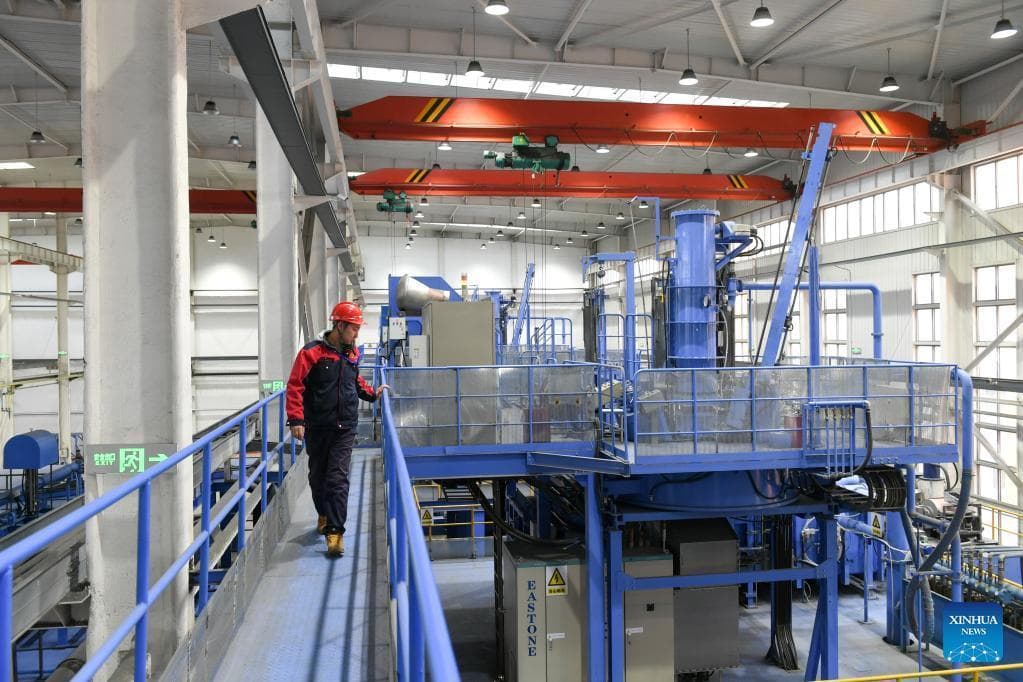
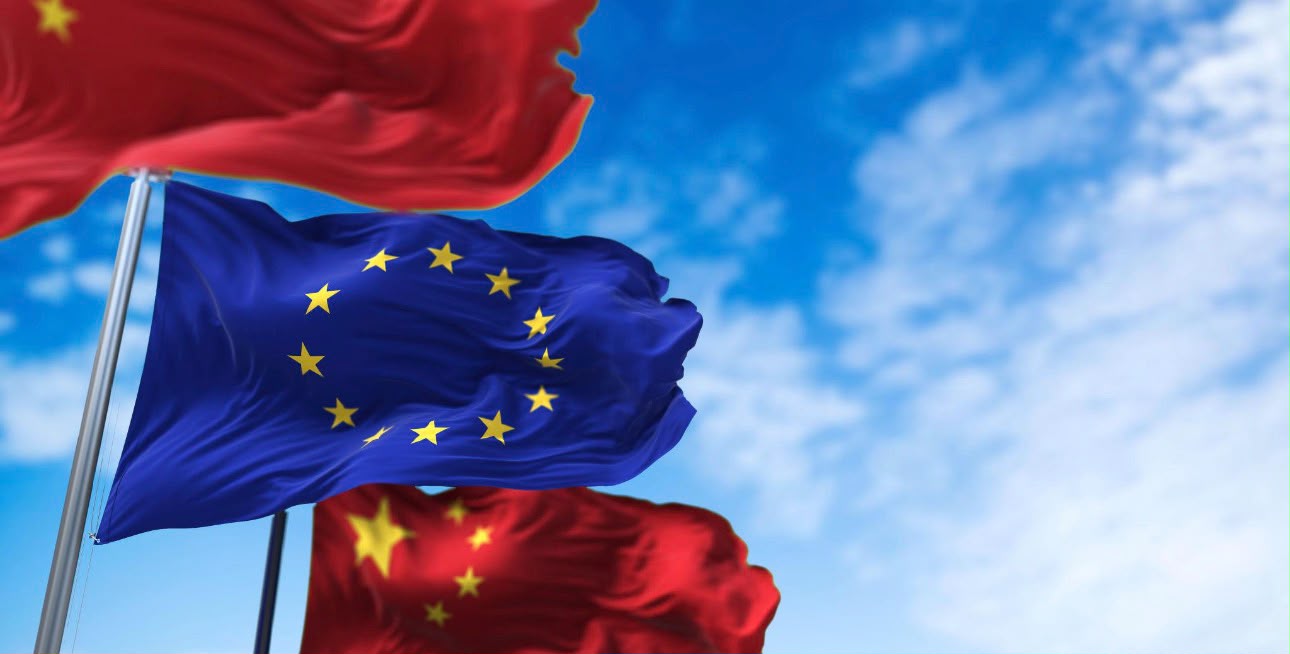
Brussels: The cautious, structured engagement between Brussels and Beijing has settled into what diplomats now describe as a do no harm phase, a posture defined less by ambition than by mutual restraint. After a turbulent 2025, the two economic giants have entered 2026 trying to manage tensions rather than resolve them, with rare-earth export curbs imposed by Beijing leaving an enduring imprint on European industrial strategy. The European External Action Service has framed this as engagement without illusion, where dialogue persists but neither side expects a reset.

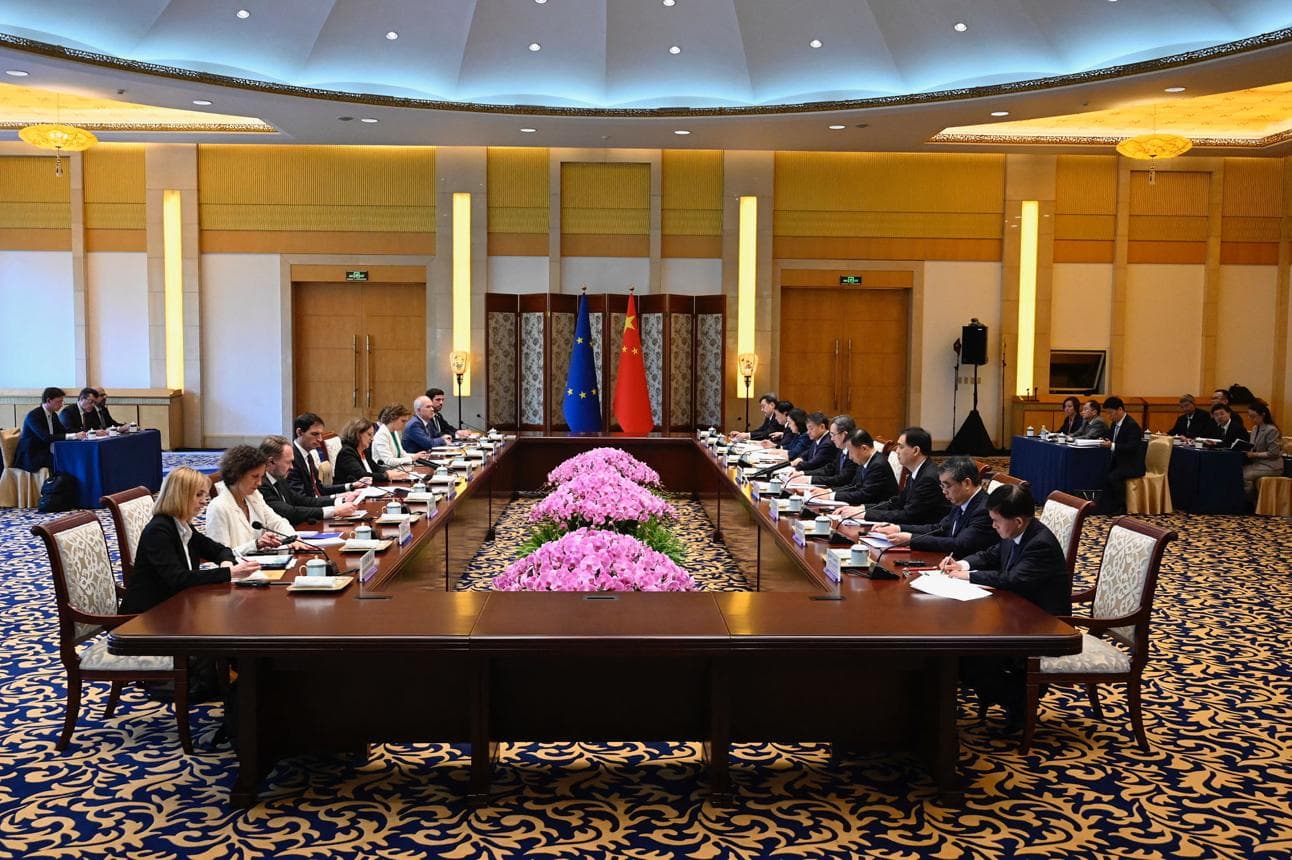
The second EU-China Conference, held in Beijing on 12 May 2026 under the theme navigating beyond the inflection point, brought together more than five hundred delegates from policy, industry, and academic circles. The forum advocated reciprocity and rebalancing, language that has hardened over recent years from aspirational vocabulary into operational doctrine inside the Commission. European officials repeatedly returned to a single concern, that asymmetric access to Chinese markets, combined with state-driven industrial subsidies, distorts a relationship that, in raw bilateral trade terms, remains among the most consequential in the global economy.

That concern was crystallised on 5 May 2026 when the European Commission imposed anti-dumping duties on adipic acid imports from China, a chemical input vital to nylon production and downstream automotive and textile sectors. The duties extended a pattern of targeted defensive instruments that European policymakers have used to mitigate structural overcapacity emerging from Chinese industrial policy. The Commission has also recommended that member states exclude Huawei and ZTE telecommunications equipment from critical infrastructure, formalising what had been a patchwork of national restrictions into a coordinated Union-wide signal on technological sovereignty.

Beneath these measures lies a deeper philosophical question for Brussels, how to remain economically integrated with a partner whose political and structural trajectory is increasingly misaligned with European regulatory values. The 2023 economic security strategy and the more recent Clean Trade and Investment Partnerships framework have begun providing institutional architecture for managing this contradiction, but practitioners concede that no single instrument can resolve dependencies built across two decades of supply-chain integration.

For Beijing, the European posture presents both opportunity and irritation. As transatlantic frictions with Washington intensify under renewed protectionism, Chinese diplomats have framed Europe as a natural counterweight, a destination for outreach that might dilute the unity of advanced industrial democracies. European capitals have largely resisted that framing, recognising that pragmatic engagement need not equate to strategic alignment. The Commission’s preference for de-risking rather than decoupling reflects an attempt to preserve commercial channels while building resilience against coercive economic instruments.

What remains absent is a credible pathway toward substantive recalibration. Repeated European calls for market access reciprocity, particularly in public procurement, financial services, and clean technology, have produced limited movement. Beijing’s domestic priorities, anchored in industrial self-sufficiency and technological sovereignty of its own, leave little structural space for the concessions Europe seeks. The result is a relationship characterised by continued high-level dialogue, episodic defensive trade measures, and an absence of dramatic rupture, but also an absence of meaningful progress.

The do no harm framing therefore serves as both diagnosis and prescription. It acknowledges the impossibility of decoupling, the futility of confrontation, and the limits of partnership. For the foreseeable future, Brussels and Beijing will likely continue this calibrated minuet, each side conscious that any sudden movement risks consequences neither is prepared to absorb.