August 9, 2026
LATEST
New EU Gas Market Rules Take Effect With Consumer SafeguardsDeforestation Regulation Holds Its December Deadline Despite CutsDigital Omnibus Delays Europe’s High-Risk AI Deadline to 2027Europe’s Schools Confront a Widening Basic Skills GapRule of Law Report Finds Progress but Trust Still LagsIRIS2 Gains 66 Satellites as Brussels Signs the Rollout DealNature Restoration Plans Come Due as Member States Race a DeadlineECB Rates Hold at 2.25 Percent as Frankfurt Waits on the DataEU Budget Talks Turn to Cohesion as Ireland Takes OverWildfire Response Stretches Europe’s Emergency Fleet ThinCan Europe’s Quantum Plan Match Its Big Ambitions?Armenia Edges West as Moscow’s Grip Slips AwayEurope Inherits the World’s Aid Bill It Cannot Fully PayAir Passenger Rights Get Their First Overhaul in Two DecadesErasmus Opens a 5 Billion Euro Round for Skills and MobilityCeuta Crisis Pushes the EU Toward Faster Migrant ReturnsBulky Parcels Face a Packaging Crackdown From August 12Can Europe Build Its Drone Wall Before 2030 Arrives?Indonesia’s Trade Deal With Europe Nears Its Final SignatureEurope Leans on Beijing to Keep Climate Talks Alive Before AntalyaNew EU Gas Market Rules Take Effect With Consumer SafeguardsDeforestation Regulation Holds Its December Deadline Despite CutsDigital Omnibus Delays Europe’s High-Risk AI Deadline to 2027Europe’s Schools Confront a Widening Basic Skills GapRule of Law Report Finds Progress but Trust Still LagsIRIS2 Gains 66 Satellites as Brussels Signs the Rollout DealNature Restoration Plans Come Due as Member States Race a DeadlineECB Rates Hold at 2.25 Percent as Frankfurt Waits on the DataEU Budget Talks Turn to Cohesion as Ireland Takes OverWildfire Response Stretches Europe’s Emergency Fleet ThinCan Europe’s Quantum Plan Match Its Big Ambitions?Armenia Edges West as Moscow’s Grip Slips AwayEurope Inherits the World’s Aid Bill It Cannot Fully PayAir Passenger Rights Get Their First Overhaul in Two DecadesErasmus Opens a 5 Billion Euro Round for Skills and MobilityCeuta Crisis Pushes the EU Toward Faster Migrant ReturnsBulky Parcels Face a Packaging Crackdown From August 12Can Europe Build Its Drone Wall Before 2030 Arrives?Indonesia’s Trade Deal With Europe Nears Its Final SignatureEurope Leans on Beijing to Keep Climate Talks Alive Before Antalya
August 9, 2026
LATEST
New EU Gas Market Rules Take Effect With Consumer SafeguardsDeforestation Regulation Holds Its December Deadline Despite CutsDigital Omnibus Delays Europe’s High-Risk AI Deadline to 2027Europe’s Schools Confront a Widening Basic Skills GapRule of Law Report Finds Progress but Trust Still LagsIRIS2 Gains 66 Satellites as Brussels Signs the Rollout DealNature Restoration Plans Come Due as Member States Race a DeadlineECB Rates Hold at 2.25 Percent as Frankfurt Waits on the DataEU Budget Talks Turn to Cohesion as Ireland Takes OverWildfire Response Stretches Europe’s Emergency Fleet ThinCan Europe’s Quantum Plan Match Its Big Ambitions?Armenia Edges West as Moscow’s Grip Slips AwayEurope Inherits the World’s Aid Bill It Cannot Fully PayAir Passenger Rights Get Their First Overhaul in Two DecadesErasmus Opens a 5 Billion Euro Round for Skills and MobilityCeuta Crisis Pushes the EU Toward Faster Migrant ReturnsBulky Parcels Face a Packaging Crackdown From August 12Can Europe Build Its Drone Wall Before 2030 Arrives?Indonesia’s Trade Deal With Europe Nears Its Final SignatureEurope Leans on Beijing to Keep Climate Talks Alive Before AntalyaNew EU Gas Market Rules Take Effect With Consumer SafeguardsDeforestation Regulation Holds Its December Deadline Despite CutsDigital Omnibus Delays Europe’s High-Risk AI Deadline to 2027Europe’s Schools Confront a Widening Basic Skills GapRule of Law Report Finds Progress but Trust Still LagsIRIS2 Gains 66 Satellites as Brussels Signs the Rollout DealNature Restoration Plans Come Due as Member States Race a DeadlineECB Rates Hold at 2.25 Percent as Frankfurt Waits on the DataEU Budget Talks Turn to Cohesion as Ireland Takes OverWildfire Response Stretches Europe’s Emergency Fleet ThinCan Europe’s Quantum Plan Match Its Big Ambitions?Armenia Edges West as Moscow’s Grip Slips AwayEurope Inherits the World’s Aid Bill It Cannot Fully PayAir Passenger Rights Get Their First Overhaul in Two DecadesErasmus Opens a 5 Billion Euro Round for Skills and MobilityCeuta Crisis Pushes the EU Toward Faster Migrant ReturnsBulky Parcels Face a Packaging Crackdown From August 12Can Europe Build Its Drone Wall Before 2030 Arrives?Indonesia’s Trade Deal With Europe Nears Its Final SignatureEurope Leans on Beijing to Keep Climate Talks Alive Before Antalya

Brussels Builds Indo-Pacific Hedging Alliance as US-China Strategic Rivalry Deepens

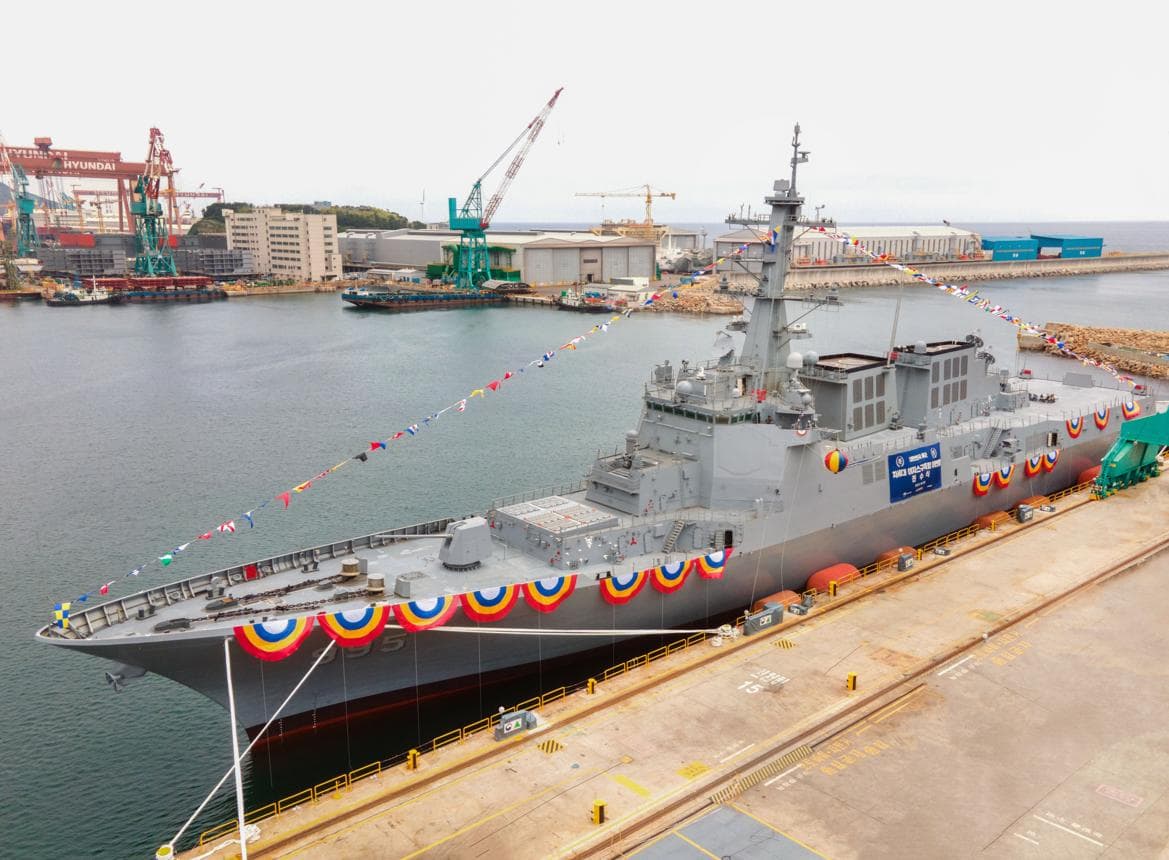
Tokyo: In April 2026, French President Emmanuel Macron used his diplomatic tour through Tokyo and Seoul to articulate, with unusual bluntness, a thesis that has been gathering momentum across European foreign ministries: that medium-sized powers must coordinate to avoid becoming subordinate clients of either Washington or Beijing. His call for a coalition of independents was easily dismissed by some commentators as the latest expression of Gaullist tradition. To do so, however, would be to miss the deeper structural transformation now underway in European external relations. The EU is, in effect, constructing a multilateral hedging arrangement with Indo-Pacific middle powers, and the architecture is already more advanced than most observers acknowledge.

The evidence is institutional rather than declaratory. In January 2026, the EU concluded a Strategic Defence and Security Partnership with India, elevating dialogue on maritime domain awareness and the protection of submarine infrastructure. Days earlier, on 27 January, Brussels and New Delhi finalised a free trade agreement that will phase out tariffs on roughly ninety-three percent of Indian exports — an unusually ambitious liberalisation for an economy of India’s scale, and one designed as much to accelerate economic decoupling from Chinese supply chains as to expand bilateral commerce. The pattern repeated itself on 29 January with the upgrade of EU–Vietnam relations to a Comprehensive Strategic Partnership, capitalising on the relocation of multinational manufacturing capacity from China to Vietnamese export hubs.

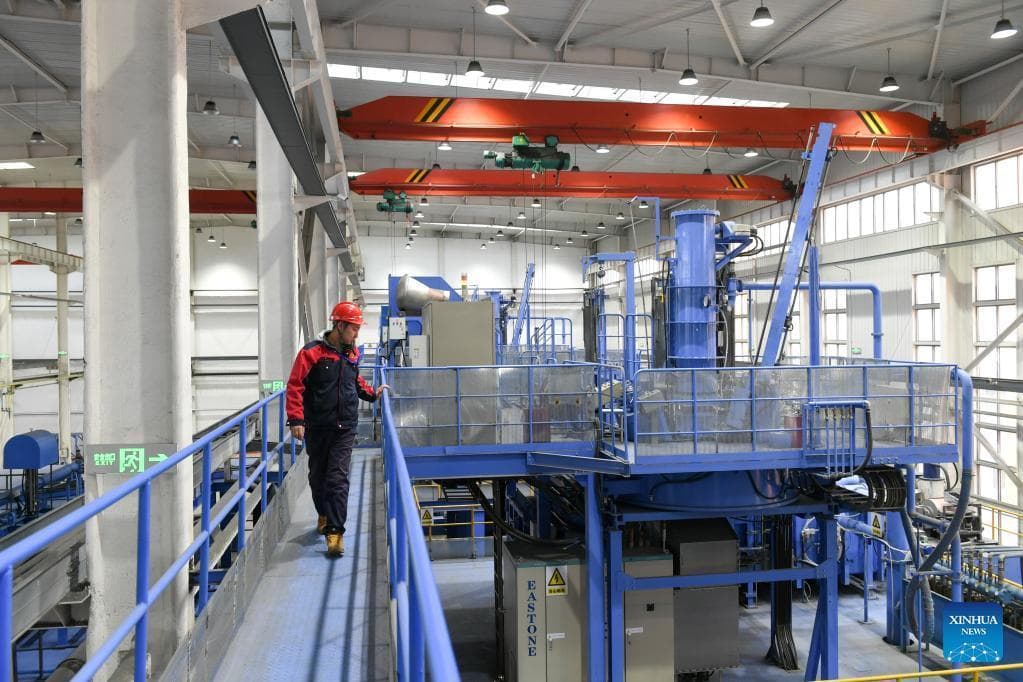
Indonesia represents perhaps the most significant entry in the sequence. After almost a decade of negotiations, the Comprehensive Economic Partnership Agreement and Investment Protection Agreement concluded in September 2025 stabilised the regulatory environment for European investment in Indonesia’s vast nickel reserves. Nickel is critical to electric vehicle batteries and advanced military applications, and the agreement effectively positions Brussels alongside Tokyo and Seoul as a stakeholder in the world’s largest tranche of accessible reserves.

Japanese Prime Minister Takaichi Sanae and South Korean President Lee Jae-myung have both publicly endorsed deeper cooperation with European partners across defence, technology and critical minerals. The rhetorical convergence echoes the framing that former Japanese Prime Minister Kishida Fumio offered in 2022: that the security of the Euro-Atlantic and the Indo-Pacific are inseparable. What is new is that this framing is now being operationalised through formal partnership instruments rather than ministerial communiqués.

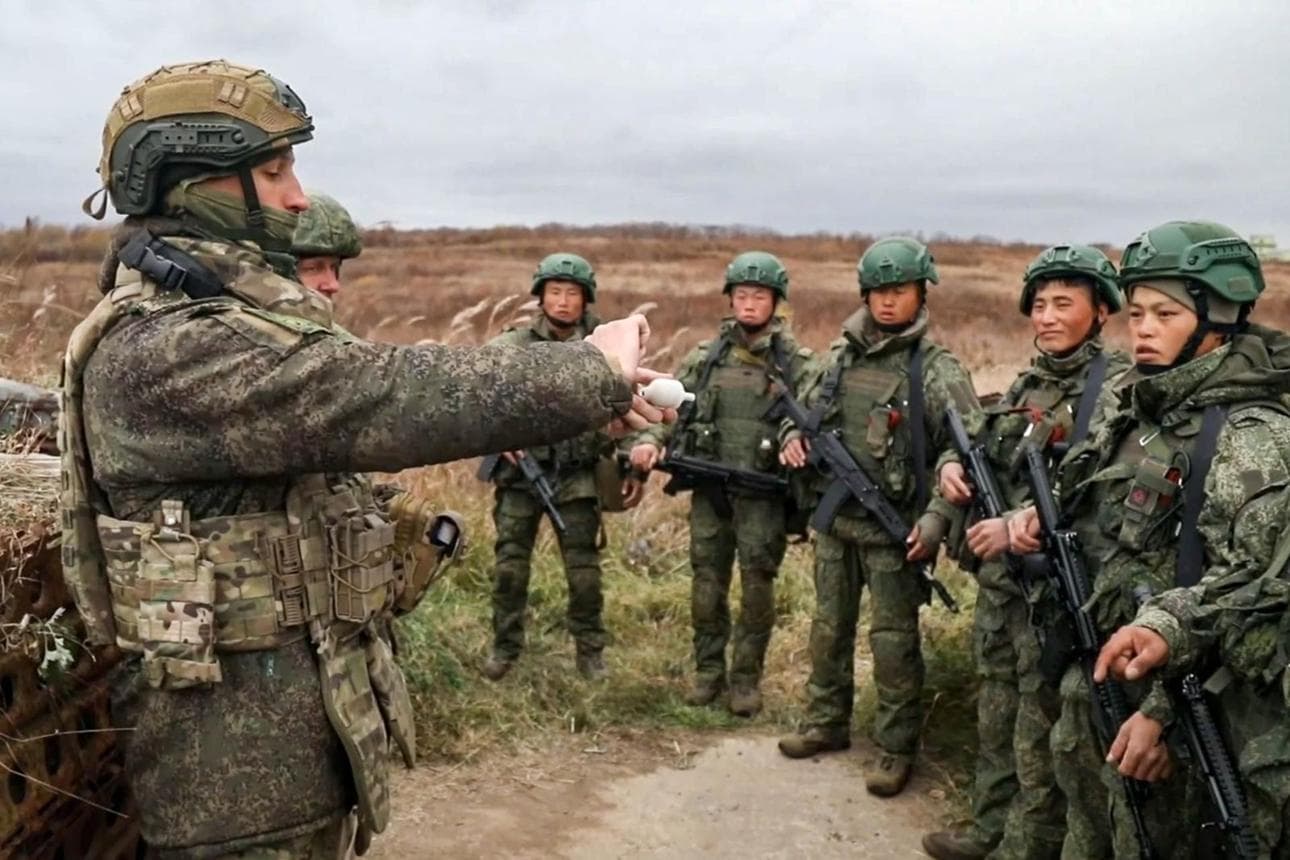
Two structural drivers explain the pace of this realignment. First, the persistence of Russia’s war against Ukraine has confirmed, for European capitals, that authoritarian revisionism is not a regional phenomenon and that deterrence credibility in Europe depends in part on deterrence credibility in Asia. NATO’s 2022 Strategic Concept formally identified China as posing systemic challenges to Euro-Atlantic security, and subsequent European Council conclusions have echoed that assessment. Second, the perceived volatility of American strategic commitments, particularly following the renewed reorientation toward transactional bilateralism, has incentivised European and Indo-Pacific governments to construct redundant coordination mechanisms that do not depend on Washington’s mediation.

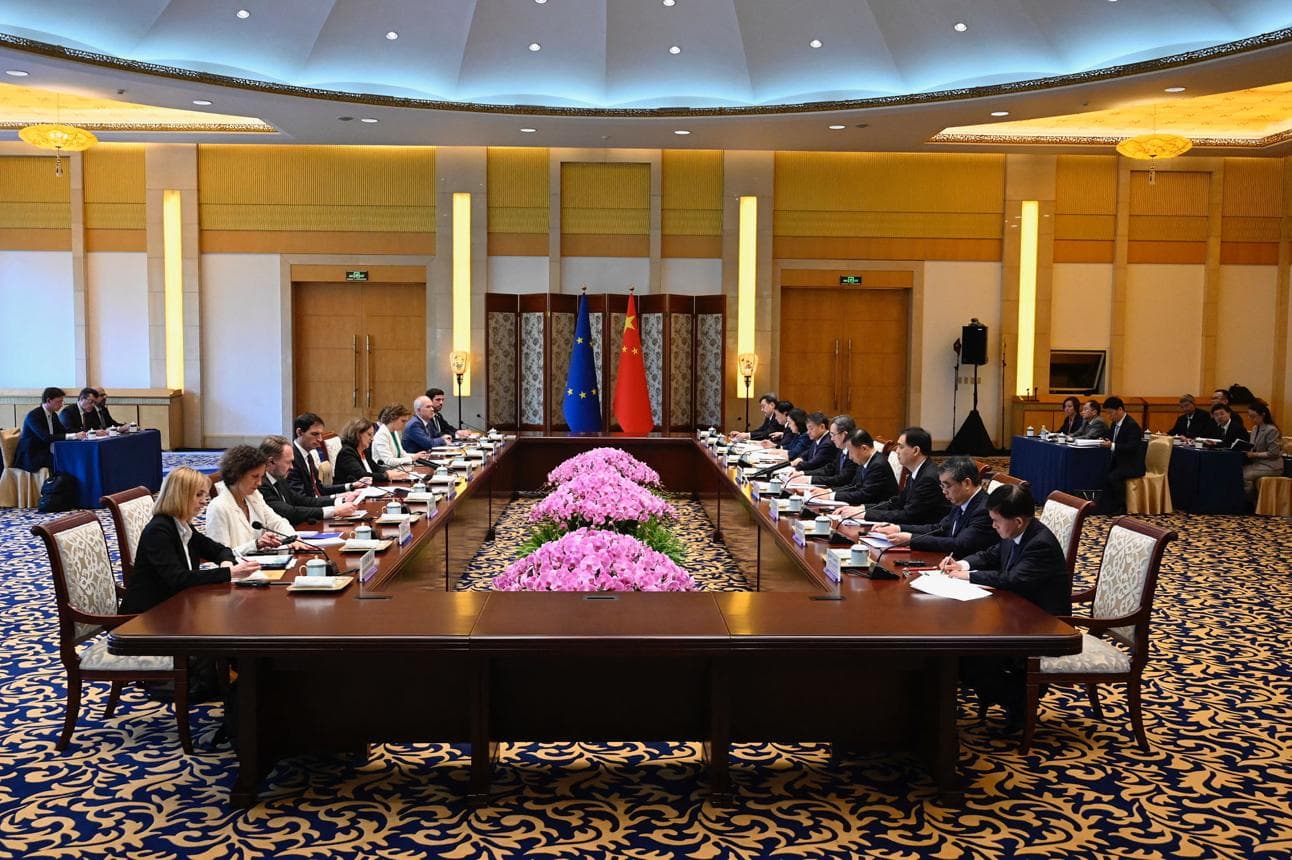
The thirteenth EU–China Strategic Dialogue, held in Brussels in July 2025 between High Representative Kaja Kallas and Wang Yi, reflects how compartmentalised the relationship has become. Brussels continues to engage Beijing on climate, trade dispute resolution and global health, while simultaneously building parallel architectures that reduce systemic exposure to Chinese economic coercion.

Whether this hedging alliance will mature into a coherent geopolitical posture or remain a constellation of overlapping bilateral arrangements is the open question. Sceptics note that around two-thirds of EU Indo-Pacific initiatives are still driven by the Commission while the remainder reflect uncoordinated national efforts. Yet for the first time in the EU’s history, the institutional momentum is unmistakable, and the partners on the receiving end are reading European intentions as serious. That, in itself, alters the strategic equation.