Luxembourg: European foreign ministers keep returning to a country most of them will never visit, because North Korea has quietly become a supplier in the war on Europe’s own continent.
The Union has spent two years widening its sanctions against North Korea, and the target has shifted. Where the measures once focused almost entirely on Pyongyang’s nuclear and ballistic missile programmes, they now aim squarely at its role in arming Russia.
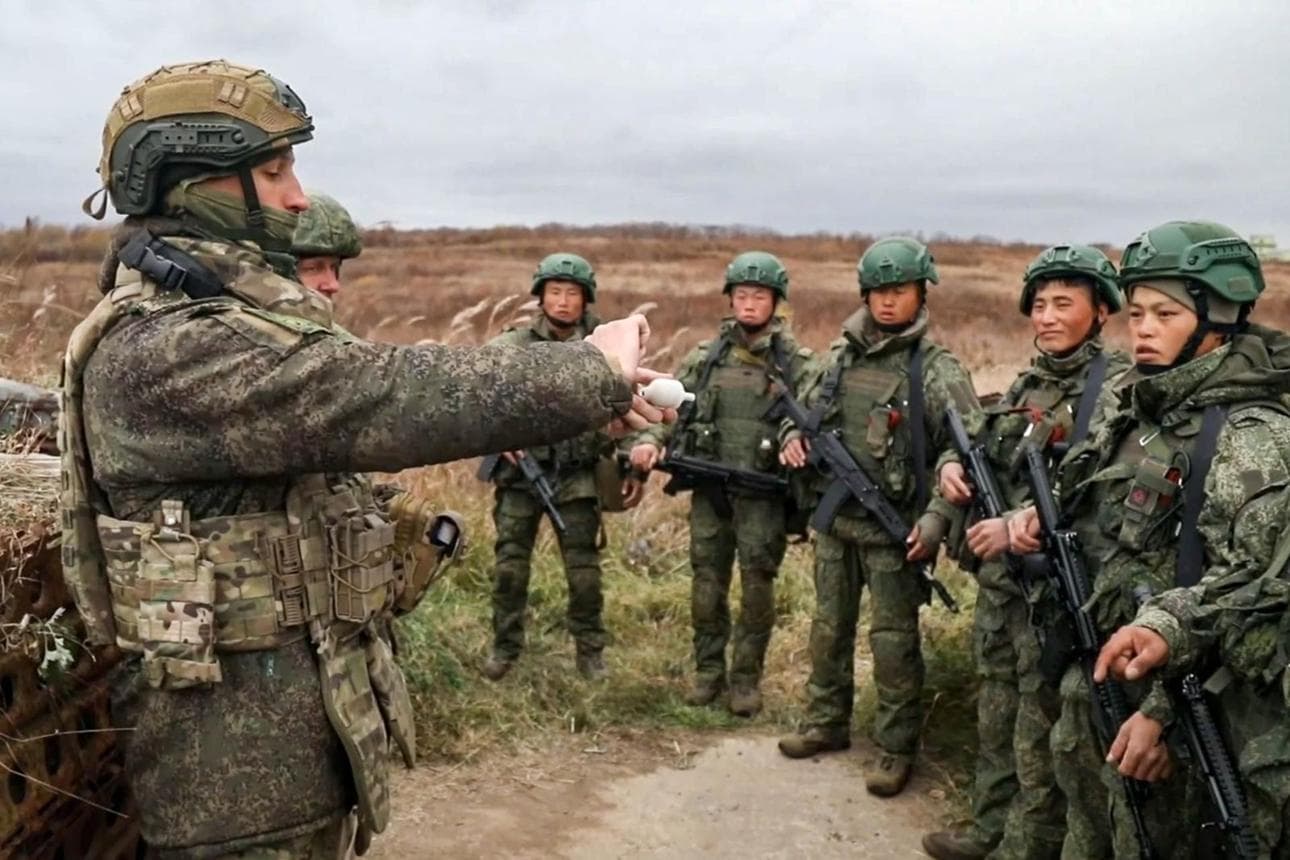
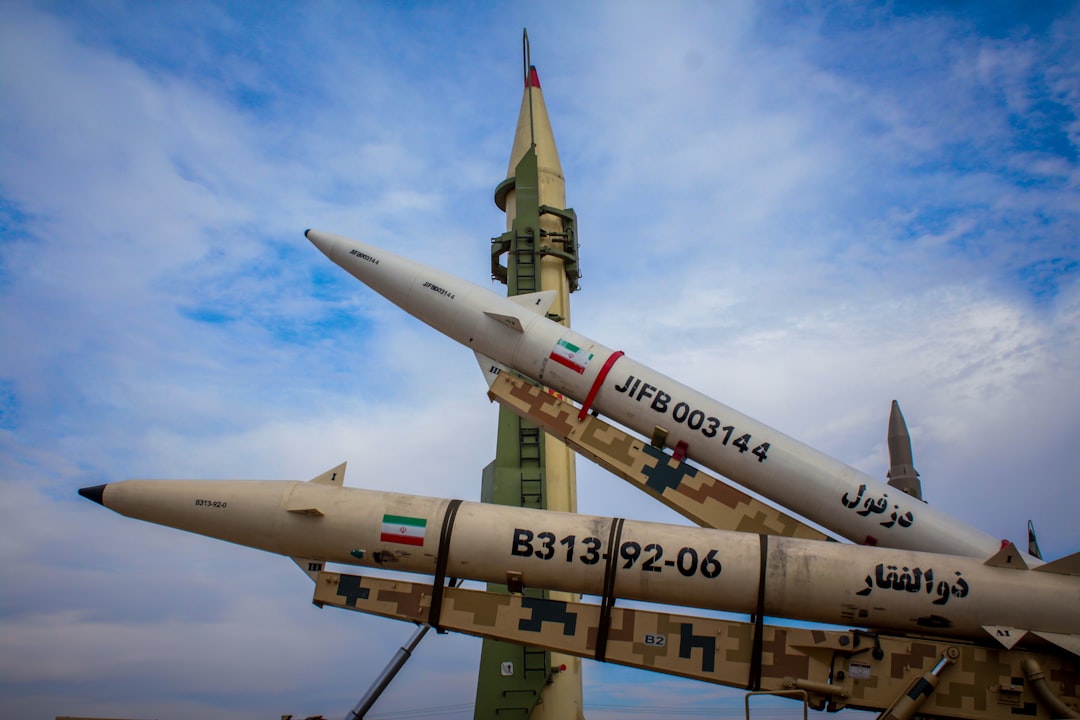
The evidence is hard to dismiss. North Korea has sent artillery shells, ballistic missiles and, most strikingly, thousands of soldiers to support Moscow’s assault on Ukraine, a deployment that European capitals treat as a direct threat to their security.
Brussels responded by blacklisting officials and entities tied to those transfers, freezing their assets and barring them from European soil. It coordinated the latest rounds with Washington and Seoul, sanctioning the generals who command North Korean troops now fighting far from home.
The logic is straightforward. Every shell that travels from a North Korean factory to a Russian gun line prolongs the war, and every sanctioned middleman raises the cost of moving the next one.
Yet the limits are just as clear. North Korea already ranks among the most heavily sanctioned states on earth, and its leadership has learned to live inside the cage. Asset freezes bite hardest on those who hold assets abroad, and Pyongyang’s enforcers rarely do.
European diplomats know this. They present the measures less as a knockout blow than as a way to expose the machinery, name the profiteers and signal to third countries that helping the trade carries a price.
The deeper aim is to complicate the Russia-North Korea axis. Moscow gains ammunition and manpower; Pyongyang gains cash, food and, European analysts fear, missile and satellite technology in return. Breaking that exchange matters far beyond the Korean peninsula.
There is a hard strategic edge to the worry. Soldiers returning from Ukraine carry battlefield experience home, and any missile know-how flowing the other way could shorten the path to weapons that threaten European partners in Asia. Brussels treats the arrangement as a security problem with a global reach, not a distant curiosity.
Critics inside the bloc argue that sanctions without enforcement become theatre, and they press for tighter tracking of the ships and shell companies that move the cargo. Others counter that isolating Pyongyang keeps the door open for any future negotiation on its weapons.
For now, Europe has chosen pressure over patience. It cannot stop North Korean shells at the source, but it can keep raising the price of the partnership that sends them west, and it intends to keep doing exactly that.