August 9, 2026
LATEST
New EU Gas Market Rules Take Effect With Consumer SafeguardsDeforestation Regulation Holds Its December Deadline Despite CutsDigital Omnibus Delays Europe’s High-Risk AI Deadline to 2027Europe’s Schools Confront a Widening Basic Skills GapRule of Law Report Finds Progress but Trust Still LagsIRIS2 Gains 66 Satellites as Brussels Signs the Rollout DealNature Restoration Plans Come Due as Member States Race a DeadlineECB Rates Hold at 2.25 Percent as Frankfurt Waits on the DataEU Budget Talks Turn to Cohesion as Ireland Takes OverWildfire Response Stretches Europe’s Emergency Fleet ThinCan Europe’s Quantum Plan Match Its Big Ambitions?Armenia Edges West as Moscow’s Grip Slips AwayEurope Inherits the World’s Aid Bill It Cannot Fully PayAir Passenger Rights Get Their First Overhaul in Two DecadesErasmus Opens a 5 Billion Euro Round for Skills and MobilityCeuta Crisis Pushes the EU Toward Faster Migrant ReturnsBulky Parcels Face a Packaging Crackdown From August 12Can Europe Build Its Drone Wall Before 2030 Arrives?Indonesia’s Trade Deal With Europe Nears Its Final SignatureEurope Leans on Beijing to Keep Climate Talks Alive Before AntalyaNew EU Gas Market Rules Take Effect With Consumer SafeguardsDeforestation Regulation Holds Its December Deadline Despite CutsDigital Omnibus Delays Europe’s High-Risk AI Deadline to 2027Europe’s Schools Confront a Widening Basic Skills GapRule of Law Report Finds Progress but Trust Still LagsIRIS2 Gains 66 Satellites as Brussels Signs the Rollout DealNature Restoration Plans Come Due as Member States Race a DeadlineECB Rates Hold at 2.25 Percent as Frankfurt Waits on the DataEU Budget Talks Turn to Cohesion as Ireland Takes OverWildfire Response Stretches Europe’s Emergency Fleet ThinCan Europe’s Quantum Plan Match Its Big Ambitions?Armenia Edges West as Moscow’s Grip Slips AwayEurope Inherits the World’s Aid Bill It Cannot Fully PayAir Passenger Rights Get Their First Overhaul in Two DecadesErasmus Opens a 5 Billion Euro Round for Skills and MobilityCeuta Crisis Pushes the EU Toward Faster Migrant ReturnsBulky Parcels Face a Packaging Crackdown From August 12Can Europe Build Its Drone Wall Before 2030 Arrives?Indonesia’s Trade Deal With Europe Nears Its Final SignatureEurope Leans on Beijing to Keep Climate Talks Alive Before Antalya
August 9, 2026
LATEST
New EU Gas Market Rules Take Effect With Consumer SafeguardsDeforestation Regulation Holds Its December Deadline Despite CutsDigital Omnibus Delays Europe’s High-Risk AI Deadline to 2027Europe’s Schools Confront a Widening Basic Skills GapRule of Law Report Finds Progress but Trust Still LagsIRIS2 Gains 66 Satellites as Brussels Signs the Rollout DealNature Restoration Plans Come Due as Member States Race a DeadlineECB Rates Hold at 2.25 Percent as Frankfurt Waits on the DataEU Budget Talks Turn to Cohesion as Ireland Takes OverWildfire Response Stretches Europe’s Emergency Fleet ThinCan Europe’s Quantum Plan Match Its Big Ambitions?Armenia Edges West as Moscow’s Grip Slips AwayEurope Inherits the World’s Aid Bill It Cannot Fully PayAir Passenger Rights Get Their First Overhaul in Two DecadesErasmus Opens a 5 Billion Euro Round for Skills and MobilityCeuta Crisis Pushes the EU Toward Faster Migrant ReturnsBulky Parcels Face a Packaging Crackdown From August 12Can Europe Build Its Drone Wall Before 2030 Arrives?Indonesia’s Trade Deal With Europe Nears Its Final SignatureEurope Leans on Beijing to Keep Climate Talks Alive Before AntalyaNew EU Gas Market Rules Take Effect With Consumer SafeguardsDeforestation Regulation Holds Its December Deadline Despite CutsDigital Omnibus Delays Europe’s High-Risk AI Deadline to 2027Europe’s Schools Confront a Widening Basic Skills GapRule of Law Report Finds Progress but Trust Still LagsIRIS2 Gains 66 Satellites as Brussels Signs the Rollout DealNature Restoration Plans Come Due as Member States Race a DeadlineECB Rates Hold at 2.25 Percent as Frankfurt Waits on the DataEU Budget Talks Turn to Cohesion as Ireland Takes OverWildfire Response Stretches Europe’s Emergency Fleet ThinCan Europe’s Quantum Plan Match Its Big Ambitions?Armenia Edges West as Moscow’s Grip Slips AwayEurope Inherits the World’s Aid Bill It Cannot Fully PayAir Passenger Rights Get Their First Overhaul in Two DecadesErasmus Opens a 5 Billion Euro Round for Skills and MobilityCeuta Crisis Pushes the EU Toward Faster Migrant ReturnsBulky Parcels Face a Packaging Crackdown From August 12Can Europe Build Its Drone Wall Before 2030 Arrives?Indonesia’s Trade Deal With Europe Nears Its Final SignatureEurope Leans on Beijing to Keep Climate Talks Alive Before Antalya

Can Kuala Lumpur Become Europe’s Way Around The Chip Squeeze

Kuala Lumpur: European and Malaysian negotiators return to the table here from 8 to 12 June for the fourth round of talks on a free trade agreement that has quietly become one of the European Union’s most strategically loaded trade files. When the negotiations were relaunched in early 2025 after a decade of dormancy, the headline was market access. The real prize, both sides now admit, is silicon.

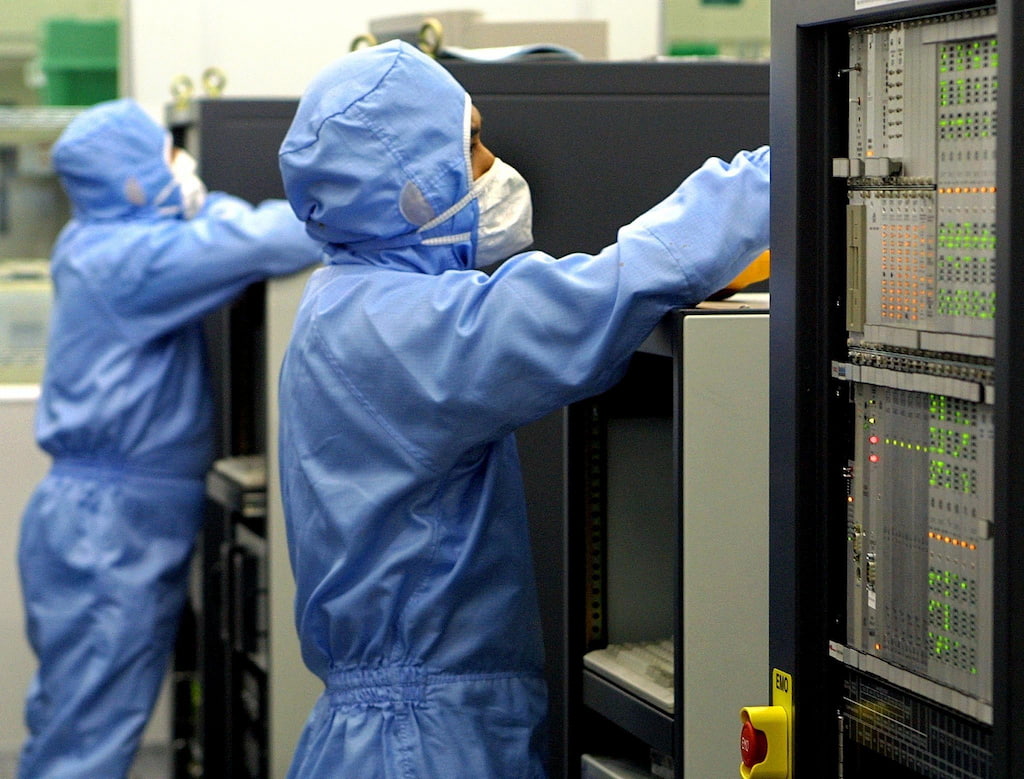
Malaysia is one of the world’s most important locations for the back end of the semiconductor industry, the assembly, testing and packaging that turns finished chips into usable components. For Europe, which has poured public money into its own chip ambitions while remaining acutely dependent on a handful of Asian hubs, a trade deal that locks in privileged access to Malaysian capacity is a way to spread risk away from China and Taiwan without pretending it can build every stage of the chain at home. The negotiators have made semiconductors, green technology and other future industries explicit priorities, which is unusual candour for a trade text.

The pace tells its own story. Three rounds in roughly ten months is brisk by the EU’s standards, and both sides have set themselves the target of concluding before the fiftieth anniversary of relations between the bloc and the Association of Southeast Asian Nations in late 2027. Deadlines of that kind are political signals as much as project plans, and they reveal a shared anxiety that the window for orderly supply chain diversification may not stay open indefinitely.

For Malaysia the calculation is about more than tariffs. Officials speak openly of using the deal to climb out of the middle-income trap by moving up the value chain, from packaging chips designed elsewhere toward designing and fabricating them. A partnership with Europe, with its research base and its appetite for trusted suppliers, is one route to that promotion. The danger for Kuala Lumpur is signing terms that cement its current role rather than enabling the upgrade it wants.

Old frictions have not vanished. Europe’s rules on deforestation and its treatment of palm oil have long irritated Malaysian exporters, who see in them a moralising form of protectionism. Any final agreement will have to manage those grievances rather than wish them away, and a deal that feels one-sided in Brussels’ favour would struggle to survive domestic politics in Kuala Lumpur. Trade negotiators on both sides know that a semiconductor partnership cannot be quarantined from the rest of the relationship.

The broader lesson is that trade policy has become industrial policy by other means. The European Union is no longer negotiating chiefly for cheaper imports; it is negotiating for resilience, for the assurance that critical components will keep flowing if relations with larger powers sour. Malaysia is willing to supply that assurance, at a price that includes technology, investment and respect for its own ambitions. Whether the two sides can meet in the narrow space between Europe’s need for security and Malaysia’s need for advancement will determine if this round in June is remembered as a turning point or merely another staging post on a long road to 2027.