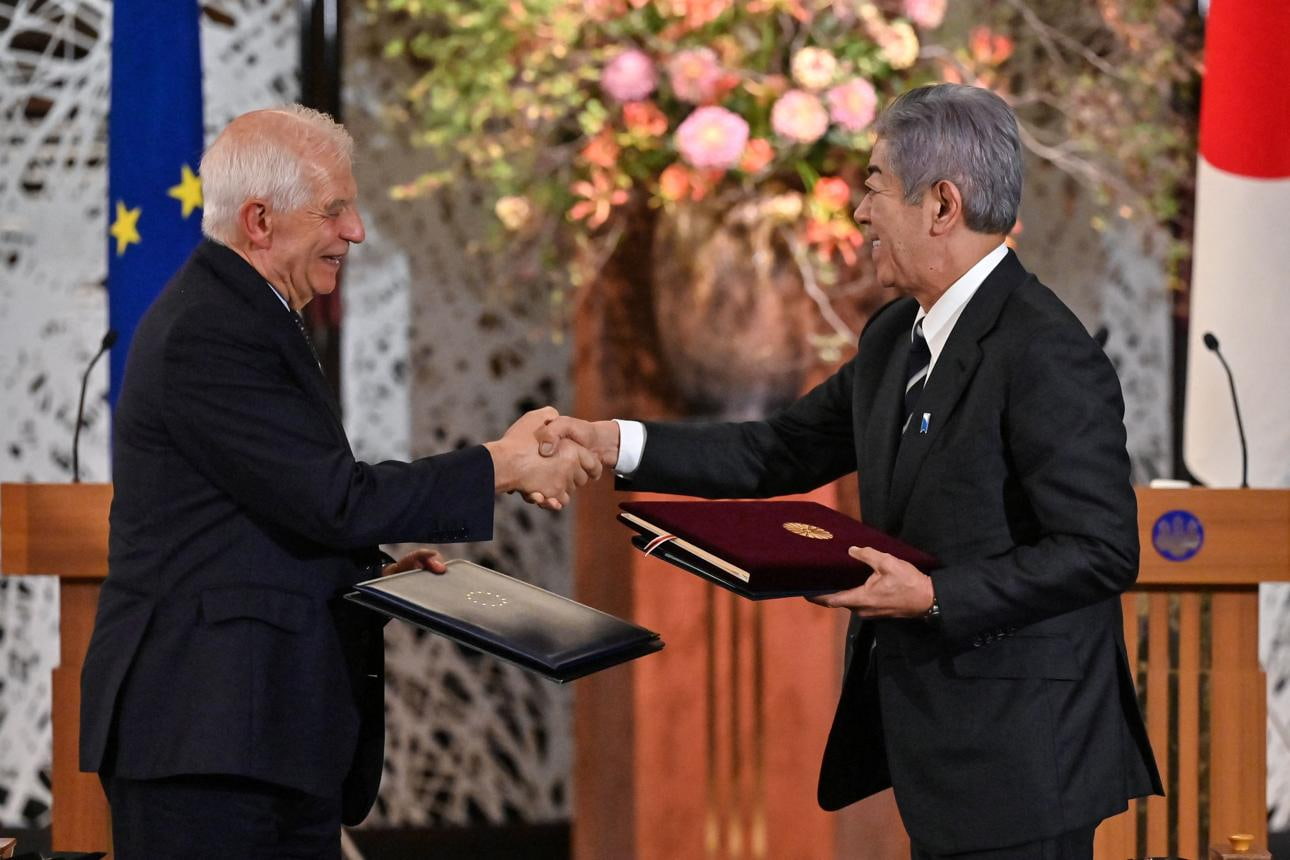
Tokyo: When the European Union and Japan signed their Security and Defence Partnership on 1 November 2024, the document read like a catalogue of good intentions, listing cooperation on maritime security, cyber defence, hybrid threats, space and crisis management. Eighteen months on, the partnership is edging from declaration toward something operational, and the most concrete test is whether Japan can plug into the machinery Europe is building to rearm itself.
That machinery is SAFE, the Security Action for Europe instrument designed to reinforce the bloc’s defence technological and industrial base with joint financing. Tokyo has signalled it wants a role. For a country that spent decades constraining its arms exports, seeking access to a European defence programme is a striking shift, and it reflects a broader recalibration in Japanese strategy after Prime Minister Sanae Takaichi’s landslide victory in the February 2026 snap election. Her government has framed security policy in more assertive terms, and closer alignment with Europe fits a worldview that treats the Euro-Atlantic and Indo-Pacific theatres as a single strategic space.
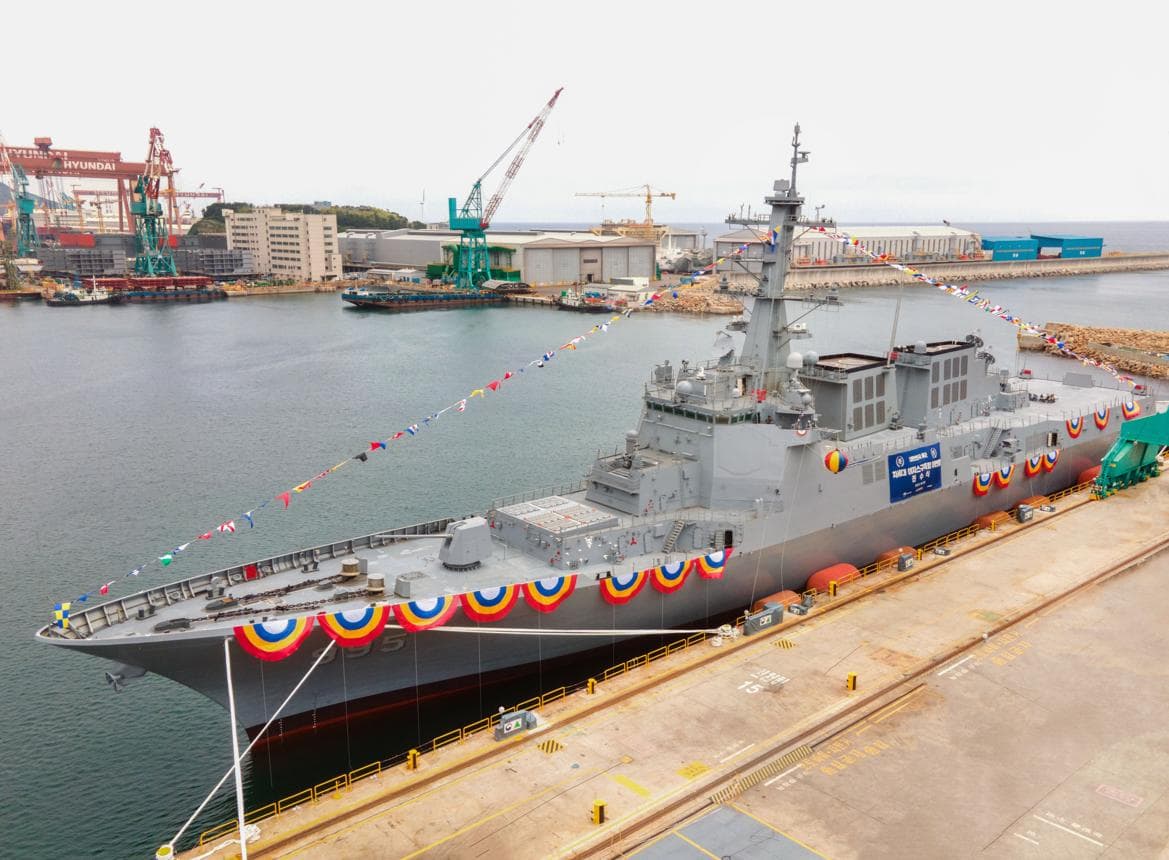
The rationale runs in both directions. Europe’s defence industry remains fragmented, under-capacity and slow, still struggling to sustain munitions output at the pace the war in Ukraine demanded. Japan brings advanced manufacturing, mature dual-use technology and deep experience in shipbuilding and precision engineering. In return, Japanese firms gain a foothold in a market where defence budgets are rising faster than at any point since the Cold War, and Japanese planners gain a partner whose interest in a stable Indo-Pacific is now explicit.
The obstacles are real. SAFE was conceived to favour European industrial content, and admitting a non-member raises unresolved questions about eligibility, intellectual property and who ultimately controls sensitive technology. Some member states worry that opening the door too wide dilutes the goal of building sovereign European capacity. Others counter that autarky is a fantasy for a continent that cannot yet supply its own needs, and that trusted partners like Japan strengthen rather than weaken strategic autonomy.
There is also the harder matter of political weight. Cyber drills, space cooperation and information-sharing on hybrid threats are valuable but low-cost commitments. The credibility of the partnership will be judged on whether it produces joint procurement, co-development or industrial investment that survives changes of government in both Tokyo and European capitals. Declarations are cheap; factories and contracts are not.
For now the direction of travel is clear. Two of the world’s largest economies, both uneasy about a more coercive China and a less predictable United States, are hedging by binding themselves closer. The question is not whether EU-Japan defence cooperation will deepen, but how fast, and whether Europe’s notoriously slow procurement culture can move at a speed that makes the relationship worth Tokyo’s while. If SAFE opens genuinely to Japanese participation in the coming year, it will mark the moment the partnership stopped being paperwork and started shaping how Europe actually equips itself.