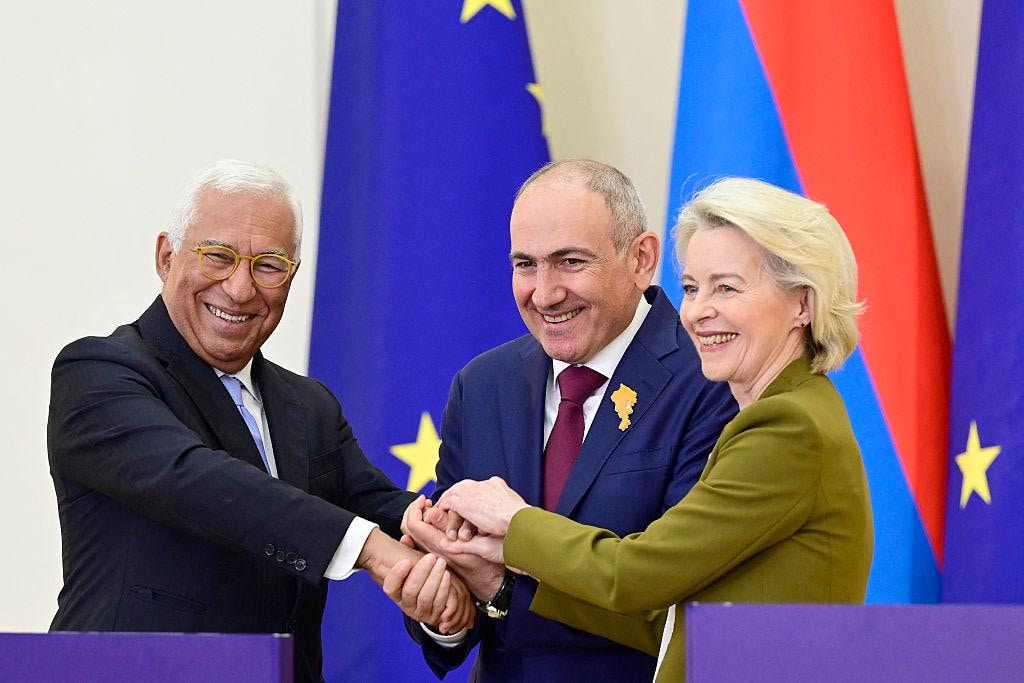
Brussels: The conclusion of negotiations on the Australia-European Union Free Trade Agreement, formally announced on 24 March 2026 by Prime Minister Anthony Albanese and European Commission President Ursula von der Leyen, marks the culmination of nearly eight years of bilateral discussions and a notable inflection point in Europe’s Indo-Pacific economic strategy. The agreement covers commerce that exceeds €100 billion annually when goods and services are combined and is poised to reshape European supply chains for raw materials, agricultural products, and clean energy inputs.
For European exporters, the agreement removes tariffs on more than 99 per cent of EU exports to Australia, an outcome expected to generate annual duty savings exceeding €1 billion for European companies. Australian exporters obtain a complementary benefit, with 98 per cent of current Australian export value entering the European Union duty-free. These headline figures, while indicative, obscure the more consequential structural provisions buried within the technical chapters of the text.
Agriculture, which derailed earlier rounds of negotiation, occupies a carefully constructed compromise space. Beef, sheep and goat meat, sugar, rice, and certain dairy products fall under tariff-rate quotas that permit limited Australian imports at zero or reduced duties subject to defined conditions. The architecture protects European producers from displacement while granting Australian exporters meaningful, if circumscribed, access. Negotiators on both sides describe the formula as the minimum politically viable structure given the asymmetry between Australian agricultural scale and European farmer sensitivities.
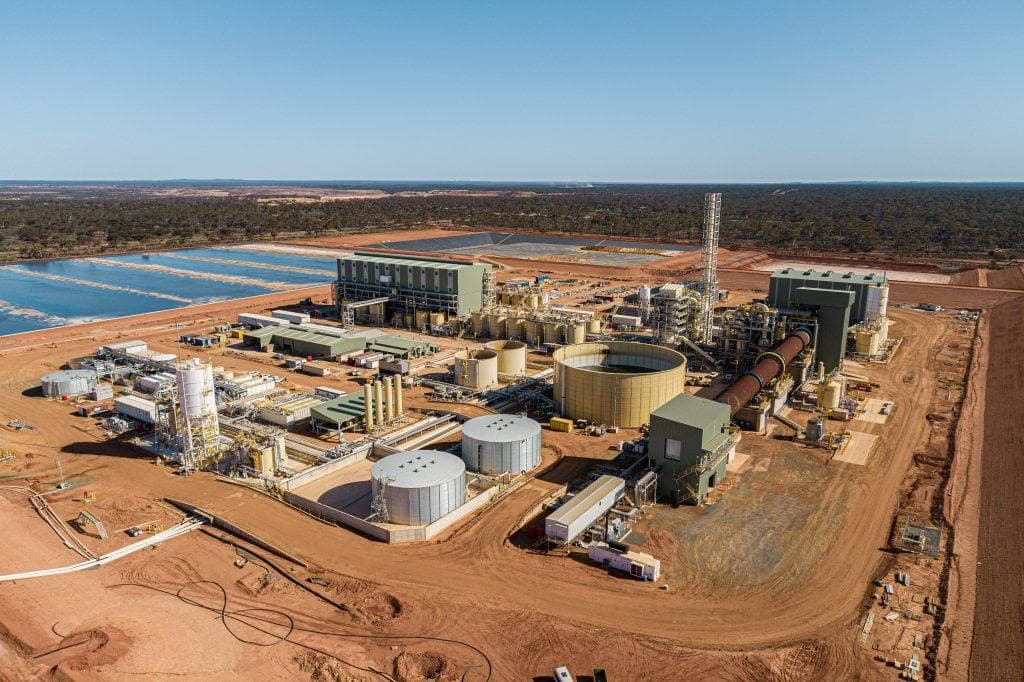
Critical raw materials, by contrast, represent the strategic core of the agreement. Australia holds globally significant deposits of lithium, cobalt, rare earths, and other inputs essential to the European clean technology transition. The text contains provisions designed to facilitate access, support investment in processing capacity, and align regulatory approaches on environmental and social standards. European officials regard these provisions as an industrial-policy instrument as much as a trade liberalisation measure. The geographic and political logic is unmistakable, that securing inputs from a democratic partner reduces exposure to concentrated supply chains elsewhere.
Sustainability provisions extend the political construction of the agreement. The text reflects the European trade agreements for green and just growth approach, embedding civil society participation in implementation, strengthening enforcement of sustainability commitments, and creating mechanisms through which environmental and labour standards can be monitored and addressed. These provisions go beyond previous European agreements in their enforcement architecture, reflecting both the political need for legitimacy among European publics and the comparative receptivity of an Australian government that has prioritised climate cooperation.
The agreement’s significance for European Indo-Pacific posture should not be underestimated. Together with the deepening EU-Japan partnership, the emerging EU-Korea strategic dialogue, and ongoing engagement with India and member states of the Association of Southeast Asian Nations, the Australian agreement constitutes an additional pillar of a coherent regional strategy. Brussels has explicitly framed these arrangements as building blocks rather than alliance structures, allowing the Union to operate through accumulated economic and regulatory presence rather than security commitments.
Ratification remains the next hurdle. The text must navigate the European Parliament, where agricultural and sustainability provisions will receive intense scrutiny, alongside national parliaments in member states with sensitivities about competitive imports. Australian domestic politics, while more uniformly supportive, will demand attention to the agreement’s regulatory implications, particularly for sectors accustomed to Asian market orientation.
The likely entry into force, anticipated within two to three years pending parliamentary processes, will coincide with a period of broader Indo-Pacific economic recalibration. For Brussels, the agreement provides demonstrated capacity to conclude ambitious trade deals despite domestic political headwinds. For Canberra, it offers diversification away from East Asian markets that have grown increasingly turbulent. For both, it represents pragmatic confidence that economic integration with trusted partners remains a viable strategy in a world that has otherwise grown more sceptical of liberalisation.