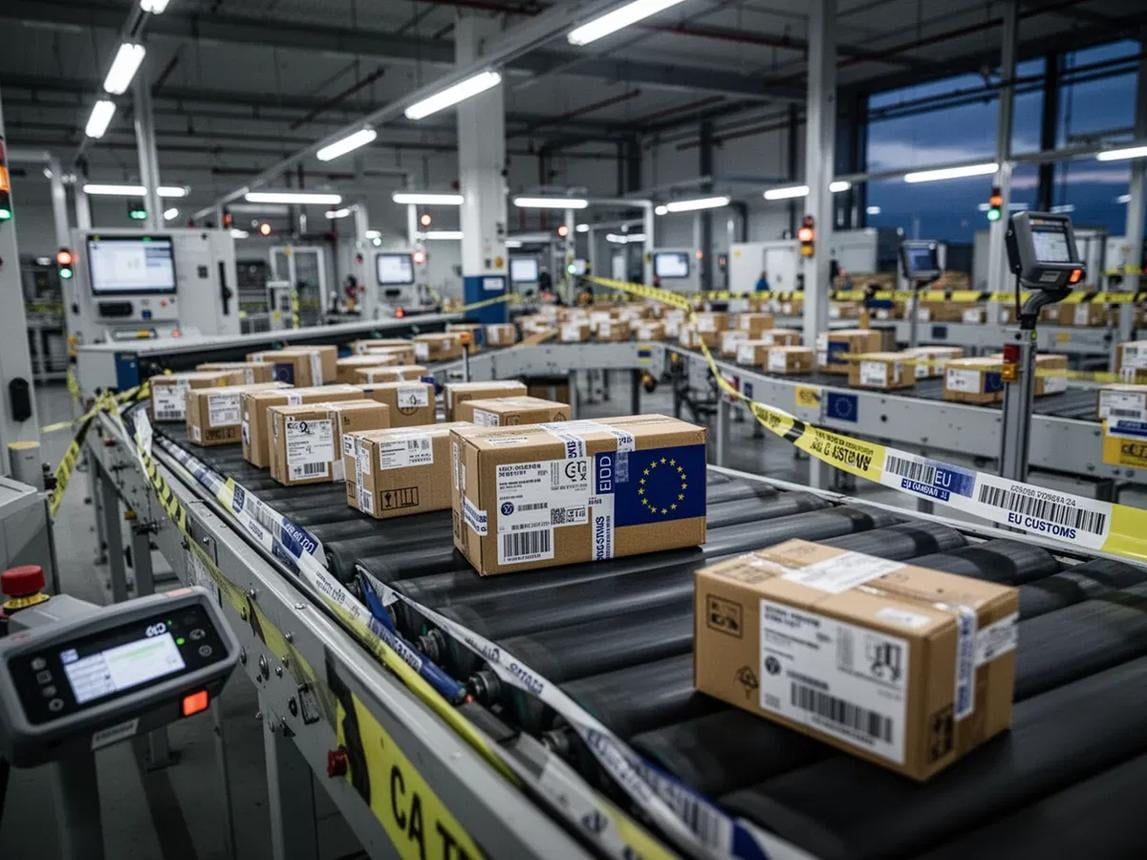
Brussels: The parcel that once crossed into Europe for free now carries a price. Since 1 July 2026 every shipment worth less than 150 euros and sent by a trader outside the Union has owed a three-euro customs duty, and the platforms that built their fortunes on cheap Chinese parcels are the first to feel the change.
The duty is sharper than it looks. The three euros apply to each product category inside a package rather than to the package itself, so a box holding a phone, a charger and a set of earphones attracts nine euros, not three. For sellers whose entire pitch rested on rock-bottom prices, that arithmetic bites.
For years the Union let goods under 150 euros enter without customs duty, and Shein, Temu and AliExpress turned that threshold into a business model, mailing single items directly to European doorsteps. European retailers, who pay full duties across their own supply chains, argued that the exemption handed offshore rivals a structural head start. In December 2025 the Council agreed to close it, levying the duty on small parcels from the middle of 2026 (Council decision).
The measure is deliberately temporary. It runs until 1 July 2028, when a broader customs overhaul replaces the flat charge with standard product tariffs applied to every import regardless of value. A separate handling fee, expected at around two euros a parcel to cover processing costs, is still being negotiated as part of the reform and the Union’s next budget (Commission guidance).
Whether a few euros reshape behaviour is the real question. Margins on ultra-cheap goods run so thin that even small charges can erase them, and the platforms may respond by warehousing stock inside Europe, shifting costs onto consumers, or splitting orders to game the rules. None of those paths restores the frictionless flow they once enjoyed.
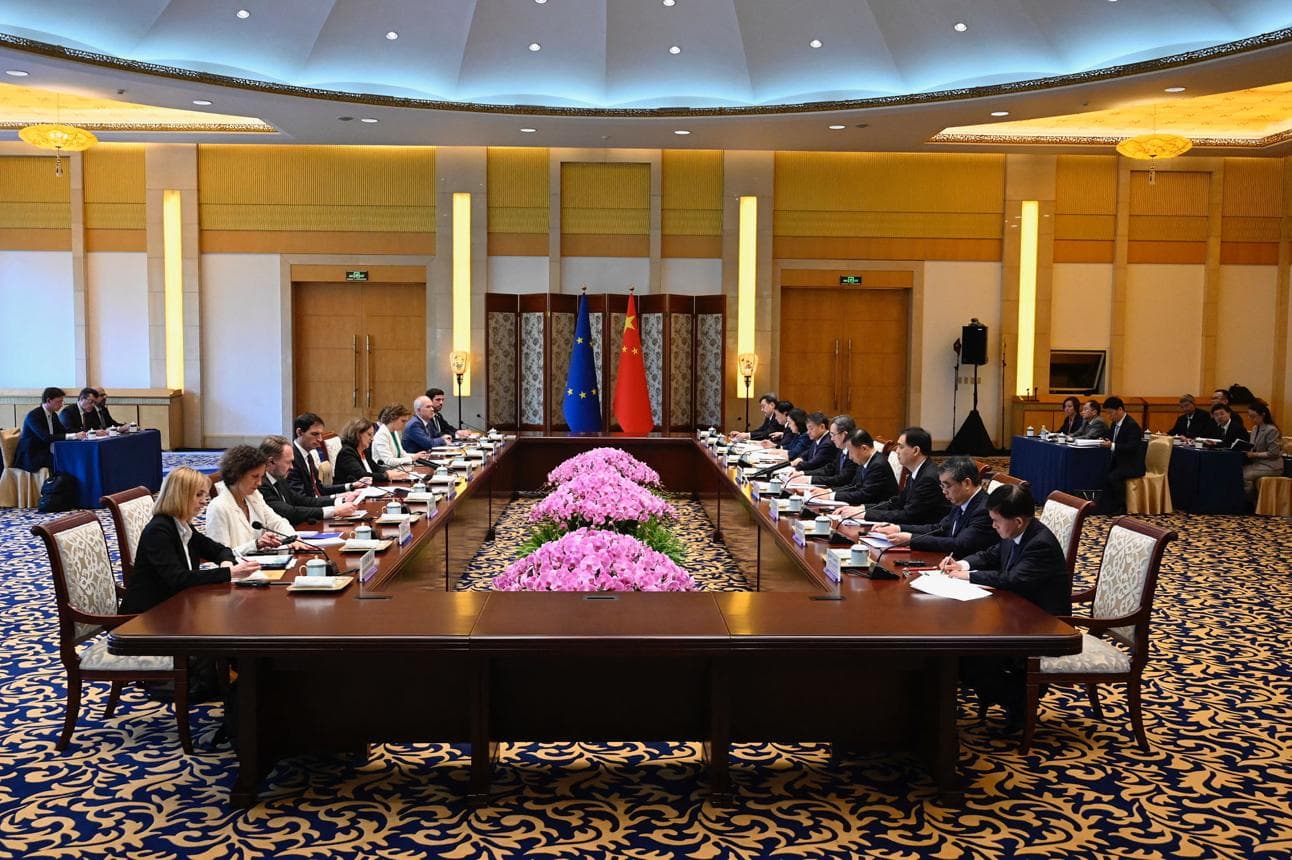
The politics reach further than the till. The duty lands while Brussels and Beijing spar over rare earths, electric vehicles and the balance of a lopsided trade deficit, and China reads European customs policy as a signal of intent. By ending the exemption, the Union tells its own producers that the single market is not a duty-free lane for one export model, and tells foreign sellers that access now comes with the same obligations everyone else carries.
The hard part is collection. Customs authorities must process billions of small consignments, verify their contents and levy the charge without clogging ports and postal hubs. The headline rate is simple; enforcing it across a torrent of parcels is not, and that is where the policy will be judged.