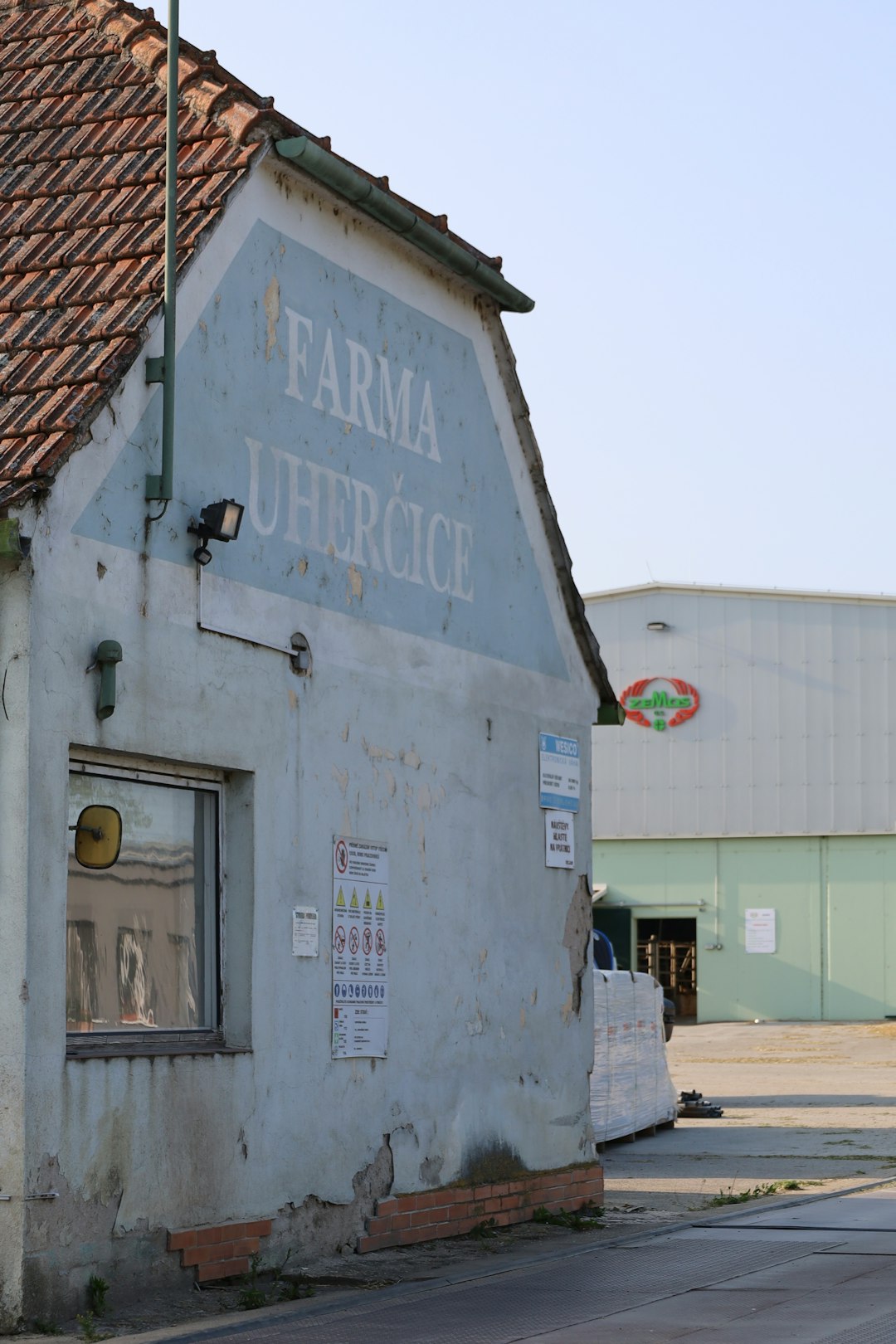
Brussels: The European Union’s most expensive single policy is once again the focus of structural debate. The Common Agricultural Policy, which accounts for roughly a third of the EU’s multiannual budget, is now embedded in two parallel negotiations: the post-2027 architecture under the next multiannual financial framework, and the response to the protests that swept across European farmlands during 2024 and 2025. The Commission’s strategic dialogue with the agri-food sector, concluded in 2024, set the broad direction for reform, but the political consequences are still working through the legislative system.
The current Common Agricultural Policy, running from 2023 to 2027, was designed around national strategic plans that translate broad European objectives into member state-specific instruments. Direct payments, environmental conditionality, eco-schemes and rural development funds were combined in a framework intended to deliver simultaneously on food security, farmer income, environmental ambition and territorial cohesion. By 2024, the framework had become the focus of intense farmer protests across France, Germany, Poland, Belgium, the Netherlands, Spain and Italy, with grievances ranging from input prices and Ukrainian imports to administrative complexity and the perceived costs of the Green Deal.
The Commission’s initial response, contained in a series of legislative amendments adopted in spring 2024, simplified conditionality requirements, weakened some elements of the Farm to Fork strategy and softened the binding aspects of certain Green Deal files affecting agriculture. The Nature Restoration Regulation, narrowly adopted in summer 2024, was modified during implementation, and the Sustainable Use of Pesticides Regulation was withdrawn. The decisions illustrated the political weight of the farming constituency in an election year and the limits of the environmental agenda when confronted with sectoral mobilisation.
The structural debate has continued nevertheless. The Commission’s vision for the post-2027 Common Agricultural Policy, set out in a communication in 2025 and developed through 2026, proposes a more targeted instrument that links payments more clearly to performance, sustainability and generational renewal. A particular focus has been placed on young farmers, whose share of the agricultural workforce has continued to decline despite repeated policy efforts. The Commission has also signalled a move toward income stabilisation tools that would buffer farmers against price volatility, weather shocks and trade disruptions, drawing partly on the lessons of the post-2022 grain market disturbances.
The budget question remains the most contested. France, traditionally the principal beneficiary of direct payments, has defended the financial envelope of the policy against proposals to reduce it in favour of new priorities such as defence, enlargement preparation and the strategic technologies fund. Eastern member states have argued that direct payment levels remain unequal across the Union, with farmers in Poland, Romania, Hungary and the Baltic states still receiving lower per-hectare payments than their counterparts in France, Germany or the Netherlands, despite formal convergence commitments.
A third axis of debate concerns the relationship between agricultural policy and trade. The political agreement reached on the EU-Mercosur agreement in December 2024 reopened questions about the protection of sensitive European agricultural sectors, particularly beef, poultry, sugar and ethanol. The Commission has proposed accompanying measures, including a reinforced reserve to compensate sectors affected by trade liberalisation, but the agreement’s parliamentary path remains contested in several capitals.
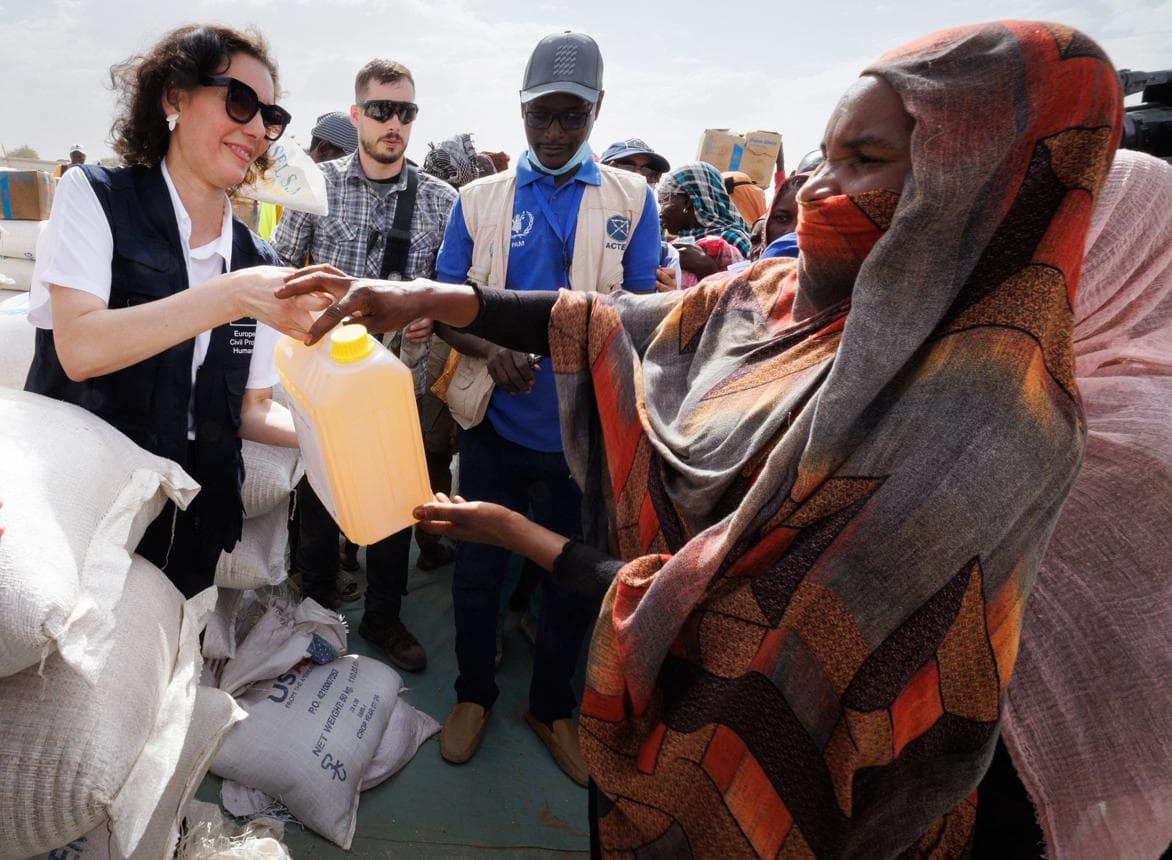
The agri-food sector also sits at the intersection of food security and geopolitical risk. The war in Ukraine, the disruption of fertiliser markets, the partial collapse of grain export routes through the Black Sea and the wider volatility in energy prices have all reinforced the case for resilience as a policy objective. The Commission’s communication on food security, presented in early 2026, frames agriculture as both an environmental challenge and a strategic capability, in line with the broader securitisation of European policy.
The post-2027 framework will not be the last word on European agriculture. But the choices made in the next eighteen months, on budget, on conditionality, on the balance between income support and structural transformation, will set the terms of debate for the decade.