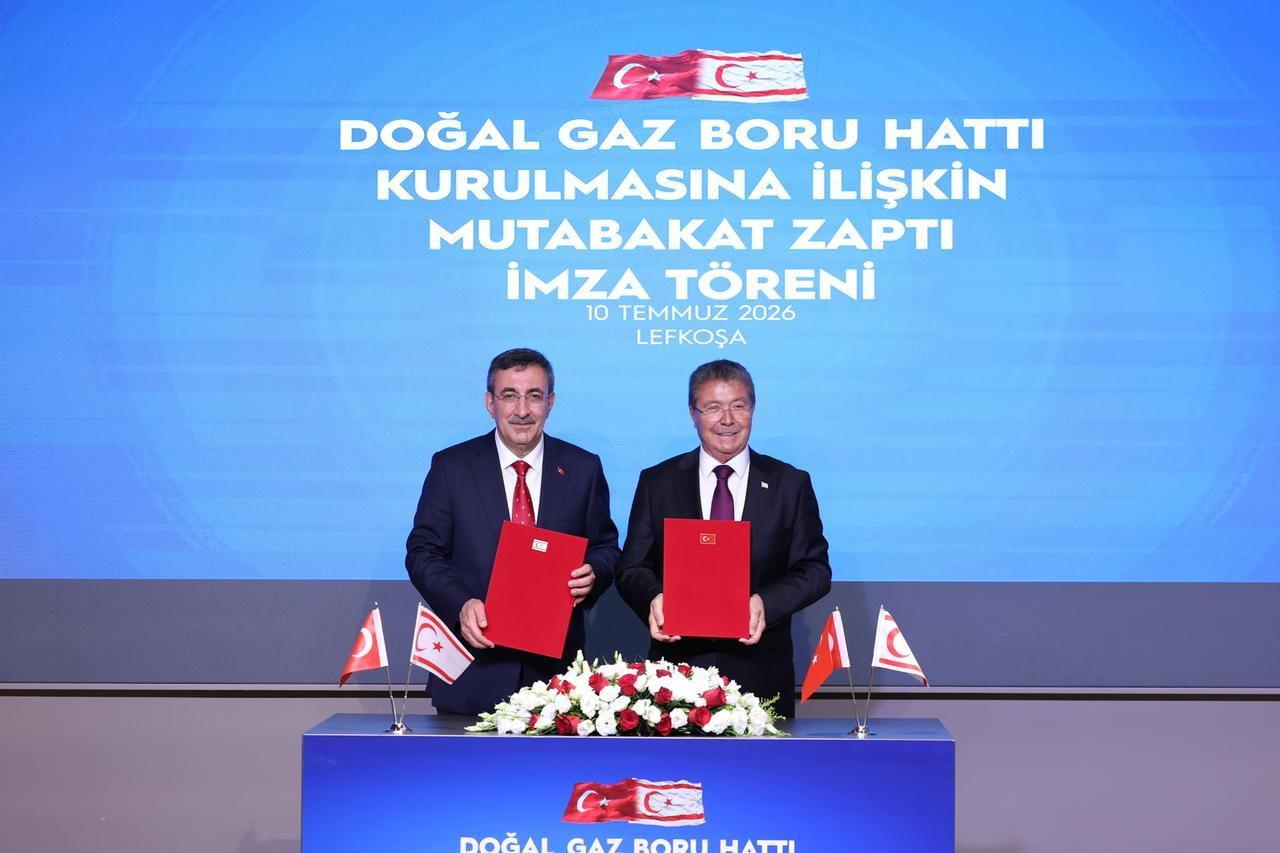
Anamur: The Cyprus gas pipeline dispute has moved from a coastal engineering plan into a diplomatic test for the European Union, because the route runs from this Turkish Mediterranean town to the northern coast of a divided island that is an EU member state. Turkey and the Turkish Cypriot administration signed a memorandum of understanding on 10 July 2026 for a 101-kilometre subsea link, roughly 97 kilometres offshore and four onshore. The Republic of Cyprus calls the document illegal and says it will not recognise it.
The project would run from Anamur in Mersin province to the Teknecik power station near Kyrenia, using two 22-inch pipelines built for flow in both directions. Turkish Energy Minister Alparslan Bayraktar has said the first use would be electricity generation in the north. Nicosia fears the bidirectional design could eventually carry gas from offshore areas that it claims, which turns a modest supply plan into a question of sovereign rights.
Brussels has already been drawn in. On 13 July, Cyprus raised the Cyprus gas pipeline at the Foreign Affairs Council, and High Representative Kaja Kallas said afterwards that the EU expects Ankara to respect the sovereignty and sovereign rights of all member states. Cyprus returned to the subject under any other business at the council meeting on 12 October, which shows that Nicosia intends to keep it on the agenda.
Nicosia has also gone to the United Nations. On 7 August its permanent representative, Maria Michail, wrote to Secretary-General António Guterres and asked that the letter circulate as a General Assembly document, citing Security Council resolutions 541 and 550. Turkish Cypriot Prime Minister Ünal Üstel answered on 23 August, accusing Cyprus of double standards and insisting the project would go ahead regardless of objections.
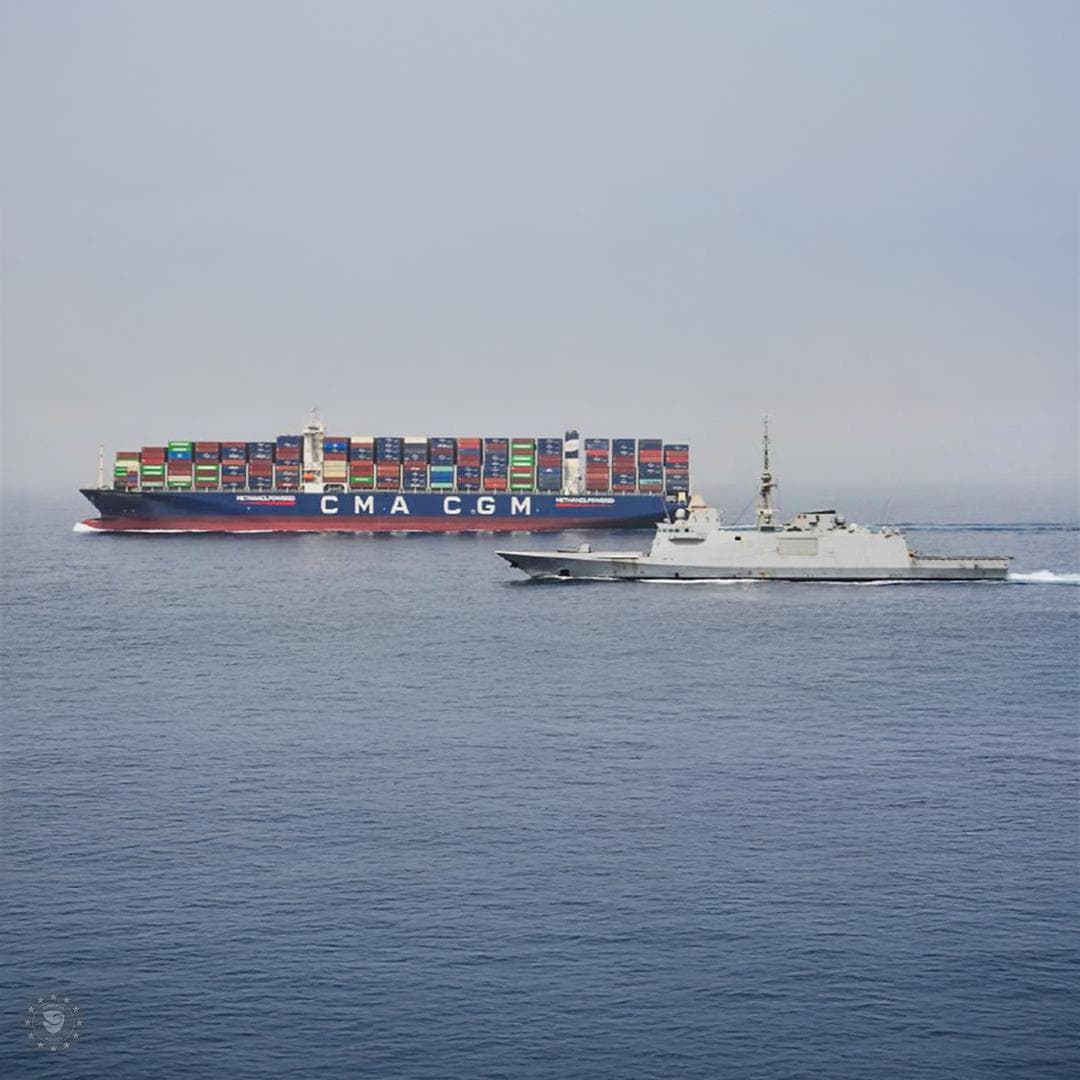
Practical steps have followed the paperwork. On 21 July Turkey issued a navigational warning for four research vessels carrying out preliminary surveys, which reports place in Turkish territorial waters. Those surveys are the part of the Cyprus gas pipeline story most likely to cause friction at sea, since any incident would land on the desks of EU foreign ministers at a moment when relations with Ankara already carry strain.
The EU’s options are limited but not empty. Statements of solidarity cost little and change nothing on their own, while the bloc’s leverage lies in its wider economic and political relationship with Türkiye. A credible approach would link future cooperation on Eastern Mediterranean energy to respect for Cypriot sovereign rights and to progress on the settlement talks that have stalled since the island was divided in 1974.
For now the Cyprus gas pipeline remains a memorandum rather than a built asset, and no capacity figures or financing have been published. That leaves a window in which diplomacy can still matter, and the Foreign Affairs Council on 16 November offers the next natural moment for ministers to restate their position on the Cyprus gas pipeline in 2026.