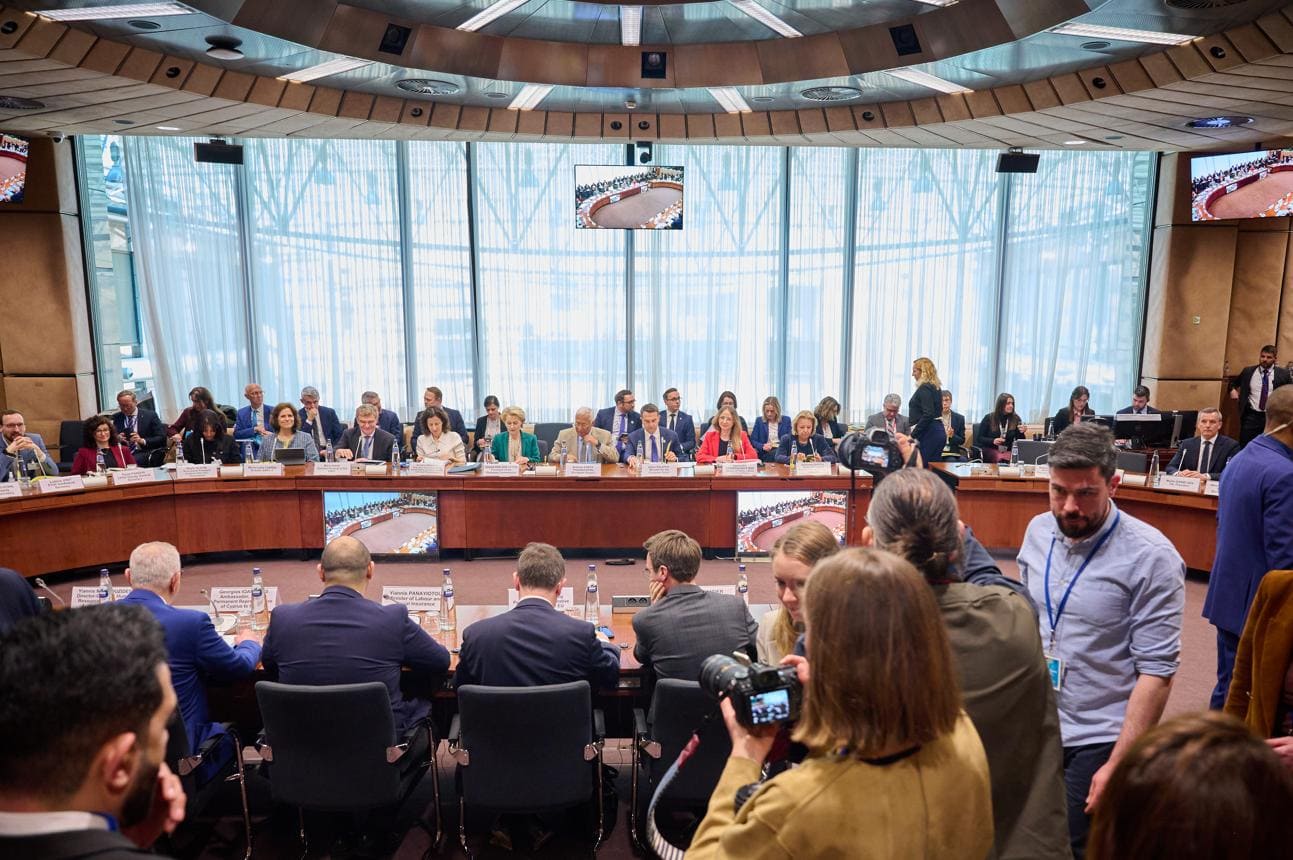
Luxembourg: EU energy ministers will debate post-2030 energy targets on 29 October 2026, when the Transport, Telecommunications and Energy Council meets in Luxembourg under the Irish presidency. The Council Secretariat framed the discussion in a background note dated 16 October, and the Council forward look for 19 October to 1 November 2026 confirms the item sits beside talks on network charges and short and long-term energy security.
The note on post-2030 energy targets, published as Council background note 14219/26, builds on a June Energy Council exchange about renewable and clean energy goals. It argues that the 55% net greenhouse gas cut required by 2030 under Fit for 55, the 90% cut for 2040 written into the European Climate Law in March 2026, and the bloc’s energy security worries together demand a fresh policy framework. Ministers therefore have to decide which of today’s numerical goals survive.
Energy efficiency offers the clearest choice. The current Energy Efficiency Directive caps consumption, but the Secretariat floats an energy intensity target that measures final energy use per unit of GDP or gross national income. Supporters say that metric would reward efficiency without penalising growing economies, which links the debate directly to competitiveness.
Electrification forms the second block of the post-2030 energy targets debate. The Commission’s July Electrification Action Plan proposes an indicative aim to lift electricity from 23% to 46% of final energy consumption by 2040, and a binding version could follow an impact assessment. The same plan suggests a key performance indicator that holds the electricity-to-gas price ratio at 2.5 for households and 2 for businesses, a figure that capitals with high power taxes will scrutinise closely.
Grids and resilience complete the picture. The Governance Regulation currently sets a 15% interconnection target for 2030, and the Secretariat invites ministers to consider follow-on goals for interconnection, storage, flexibility and possibly black-start capability. A forthcoming Strengthening Energy Security package may update the wider security framework, so any resilience target agreed in principle now could slot into that proposal.
The note also pushes simplification of the post-2030 energy targets. Because the Commission wants fewer reporting burdens, it asks whether sectoral targets still add value and whether emerging sectors would benefit from them at all. That question may unsettle governments that fought for technology-specific goals in the last round.
Ministers will answer two questions on post-2030 energy targets in Luxembourg. First, what form should a post-2030 efficiency target take, whether consumption, intensity or another metric? Second, which electrification, interconnection, flexibility and resilience targets should the EU keep, strengthen or phase out, and which new ones should it add? The exchange of views carries no legal weight, yet it will shape the Commission’s legislative proposals in 2027.
For businesses and investors, the outcome matters well beyond 2026. Clear post-2030 energy targets would anchor network planning, electrolyser orders and heat pump rollouts, while vague signals would prolong the uncertainty that already weighs on grid investment. Watch how many capitals back binding goals on 29 October, because that count will show whether the Union is heading for tighter rules or a lighter framework.