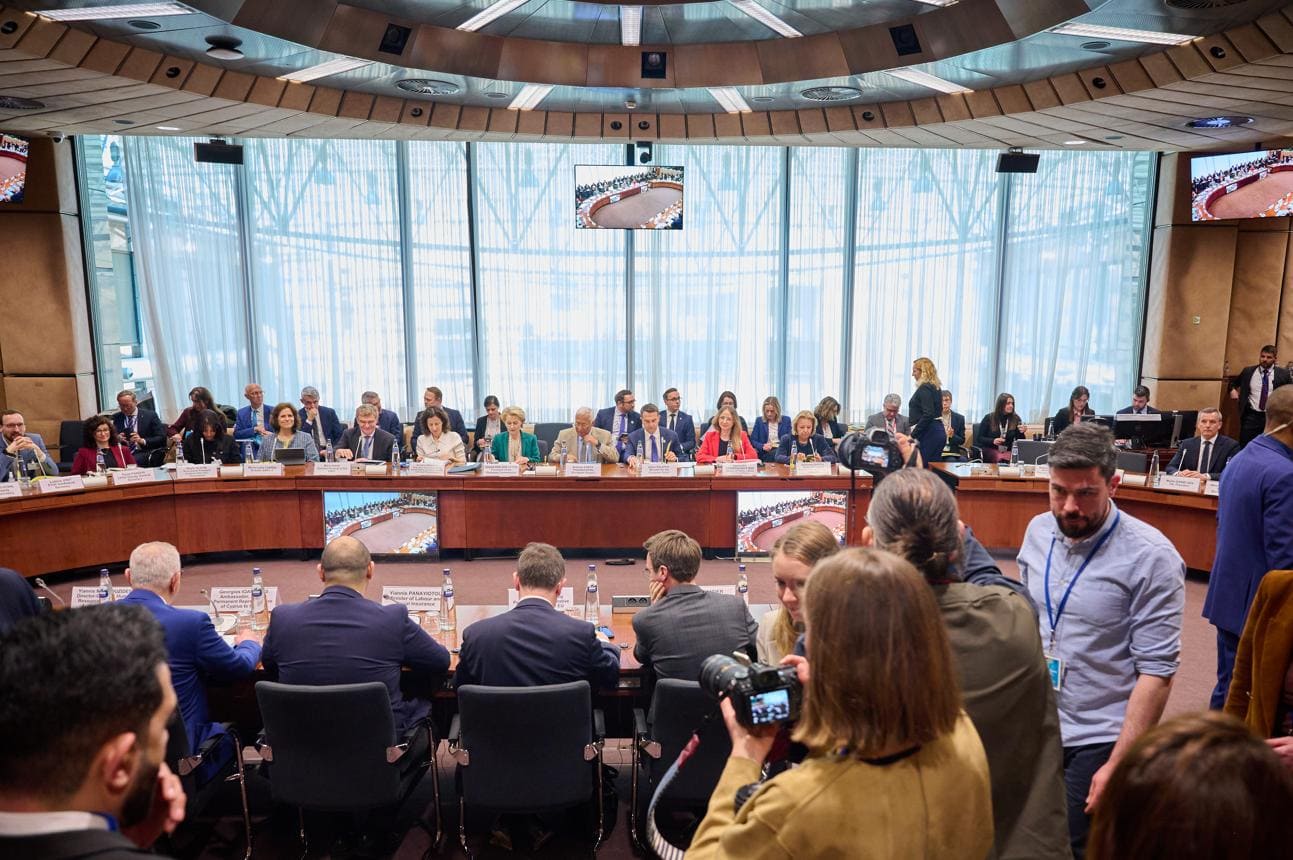
Ireland: Helen McEntee will chair an informal trade ministers meeting in Dublin on 22 and 23 October 2026, the first in-person session of EU trade ministers under the Irish Council presidency. The informal trade ministers meeting uses the Foreign Affairs Council format on trade, so ministers can set direction without adopting legal acts. Ireland took over the rotating presidency on 1 July and wants the talks to centre on market diversification.
The presidency has listed five topics: current free trade negotiations, relations with major partners, opening new markets, economic resilience and competitiveness, and the multilateral rules-based trading system. The Irish presidency event page shows two working sessions, a working lunch and a press conference. The Council confirms the dates in its forward look for 19 October to 1 November.
Diversification dominates because the bloc’s trade pipeline is crowded. Negotiations continue with Malaysia, the Philippines, Thailand and the United Arab Emirates, while the Commission wants to sign agreements with India and Indonesia before the end of 2026, Agence Europe reported when it summarised the presidency agenda. The informal trade ministers meeting lets capitals compare priorities across those files and flag the chapters they find hardest.
The format matters. Informal Council meetings take place in the presidency country and bring together the national ministers responsible for trade, which gives them room to speak freely about sensitive files. Capitals differ on how to balance market access against dependence on a single partner, and the agenda items on resilience and competitiveness invite ministers to address that tension. The informal trade ministers meeting therefore doubles as a preview of the debates ahead.
Transatlantic relations form a second thread. The presidency says it wants a more ambitious and mutually beneficial EU-US trade and investment relationship, and the tariff elements of the Turnberry arrangement were due to take effect this summer. Ministers will also mark ten years since the EU and Canada signed CETA, which has applied provisionally since 2017, and Dublin hopes to relaunch talks on its political chapters.
WTO reform is the third thread. McEntee told the late-May Trade Council that reform of the World Trade Organization is a presidency priority, and the 27 committed to a leading role. The Dublin discussion will test how far that commitment reaches before the G20 summit in Florida in December, where global imbalances, especially with China, are expected to return to the agenda.
An informal gathering produces no formal conclusions, so the real test lies in the signals ministers send to the Commission and to partners. Capitals that favour faster deals will press for clear negotiating mandates, while others will stress resilience and safeguards. Readers following EU trade policy in 2026 should watch the closing press conference for the first public read-out of the informal trade ministers meeting.