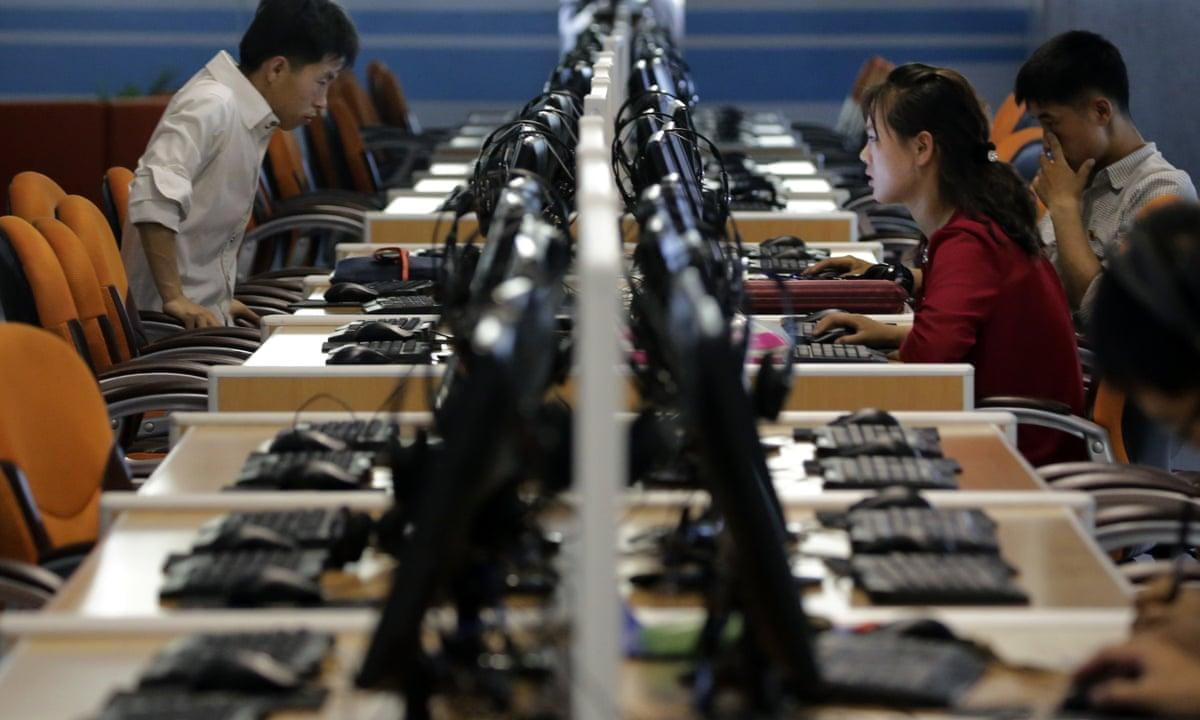
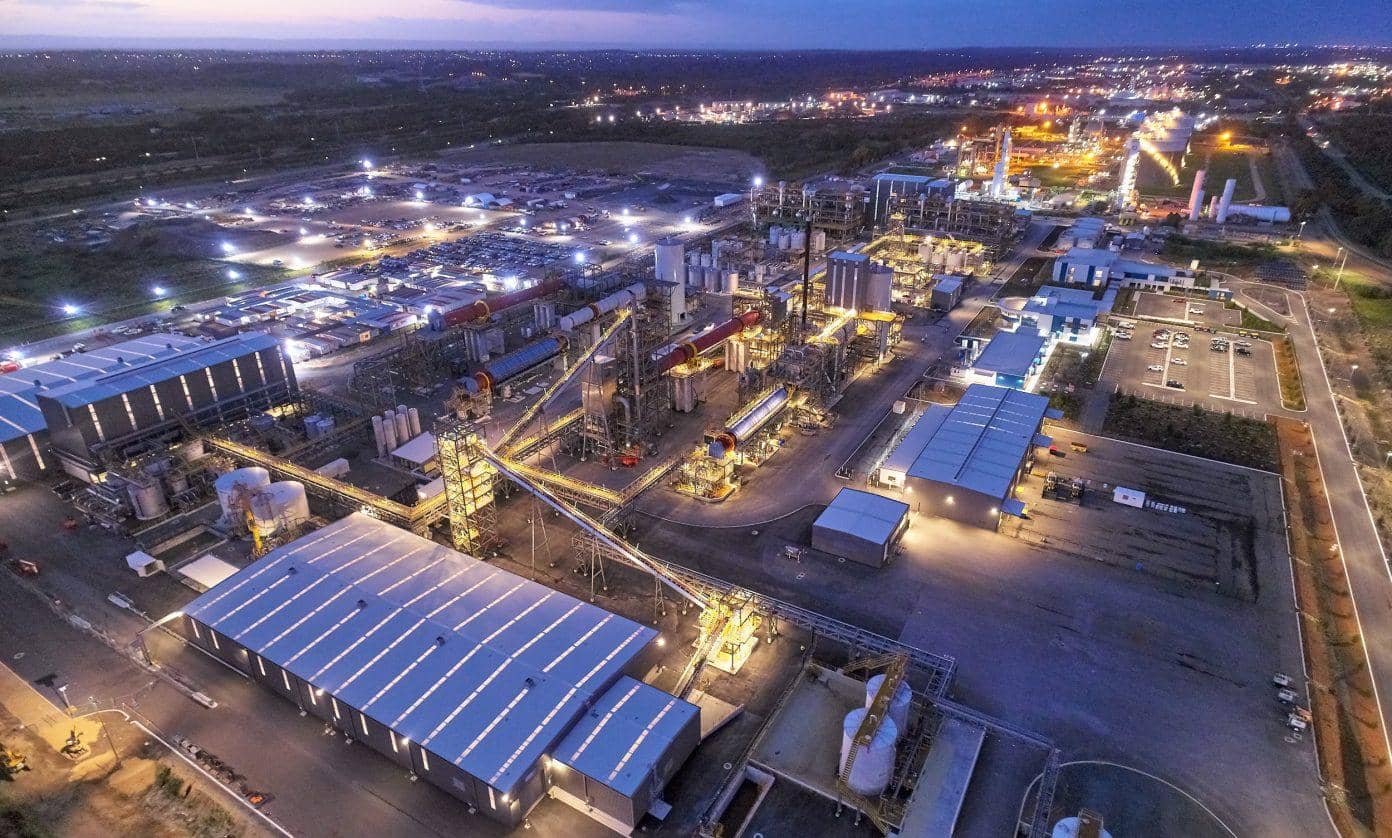
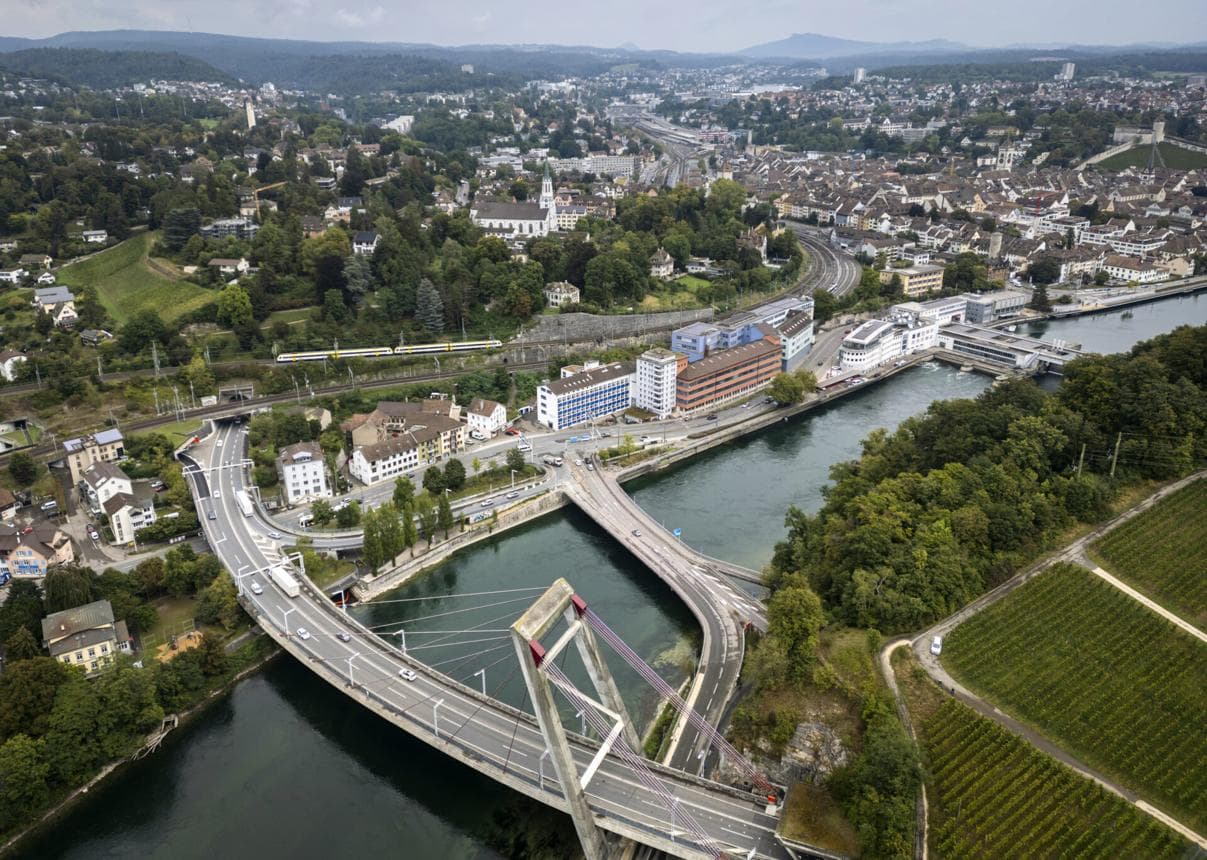
Pangyo: The technology corridor south of Seoul houses the Korean firms that would benefit first from a signed agreement on cross-border data, and those firms are now waiting on a vote in Strasbourg rather than anything happening in Korea.
The European Union and the Republic of Korea signed a Digital Trade Agreement on 10 June 2026 at their summit in Brussels, converting the non-binding digital trade principles the two sides agreed in 2022 into enforceable treaty text. The Commission’s trade service published the substance. The European Parliament has not yet given its consent, and until it does the agreement changes nothing.
The content is more consequential than the modest coverage suggested. The agreement limits data localisation requirements and restrictions on the use of computing facilities, which removes the obligation to build local infrastructure purely to satisfy a regulator. It protects source code and trade secrets against forced disclosure. It commits both sides to recognise electronic signatures, electronic payments and digital customs procedures. Each provision addresses a friction that firms on both sides currently absorb as a cost of doing business.
The commercial base is substantial. Bilateral goods trade reached roughly 124 billion euros in 2025, growing at an average of 5.3 percent a year since 2011, when the free trade agreement between the two entered force. That agreement predates cloud computing as a mainstream enterprise product and says almost nothing useful about the way modern industrial firms actually exchange data. The digital agreement fills that gap rather than replacing anything.
Read against Europe’s wider Indo-Pacific position, the timing tells its own story. The Union has spent three years assembling agreements with democratic economies in the region, and Korea occupies an unusual place in that set. It manufactures semiconductors, batteries and displays at scale, hosts European industrial investment, and faces the same dependency questions on Chinese inputs that Brussels does. Rules on data flows between two such economies are not a technical footnote to trade. They increasingly are the trade.
Parliamentary consent is not automatic. Members have blocked or delayed digital and trade files before over privacy concerns, and the interaction between free data flow commitments and the Union’s own data protection framework will receive scrutiny during committee stage. Korea holds an adequacy decision under European data protection law, which strengthens the case considerably, but adequacy decisions have been challenged in court before and members who watched that happen will remember it.
Critics of digital trade agreements argue that binding limits on data localisation reduce the room governments retain to regulate technology in the public interest, and that the constraint outlasts the government that agreed to it. Supporters reply that the alternative is a fragmented internet in which the largest firms absorb compliance costs and smaller ones simply stay home. The debate will not be resolved by this file.
What the vote decides is narrower and more immediate. If Parliament consents this autumn, European firms operating in Korea and Korean firms operating in Europe get legal certainty on data they currently manage through contractual workarounds. If consent slips into next year, they keep the workarounds. The agreement is signed. Only the arithmetic in Strasbourg is unfinished.