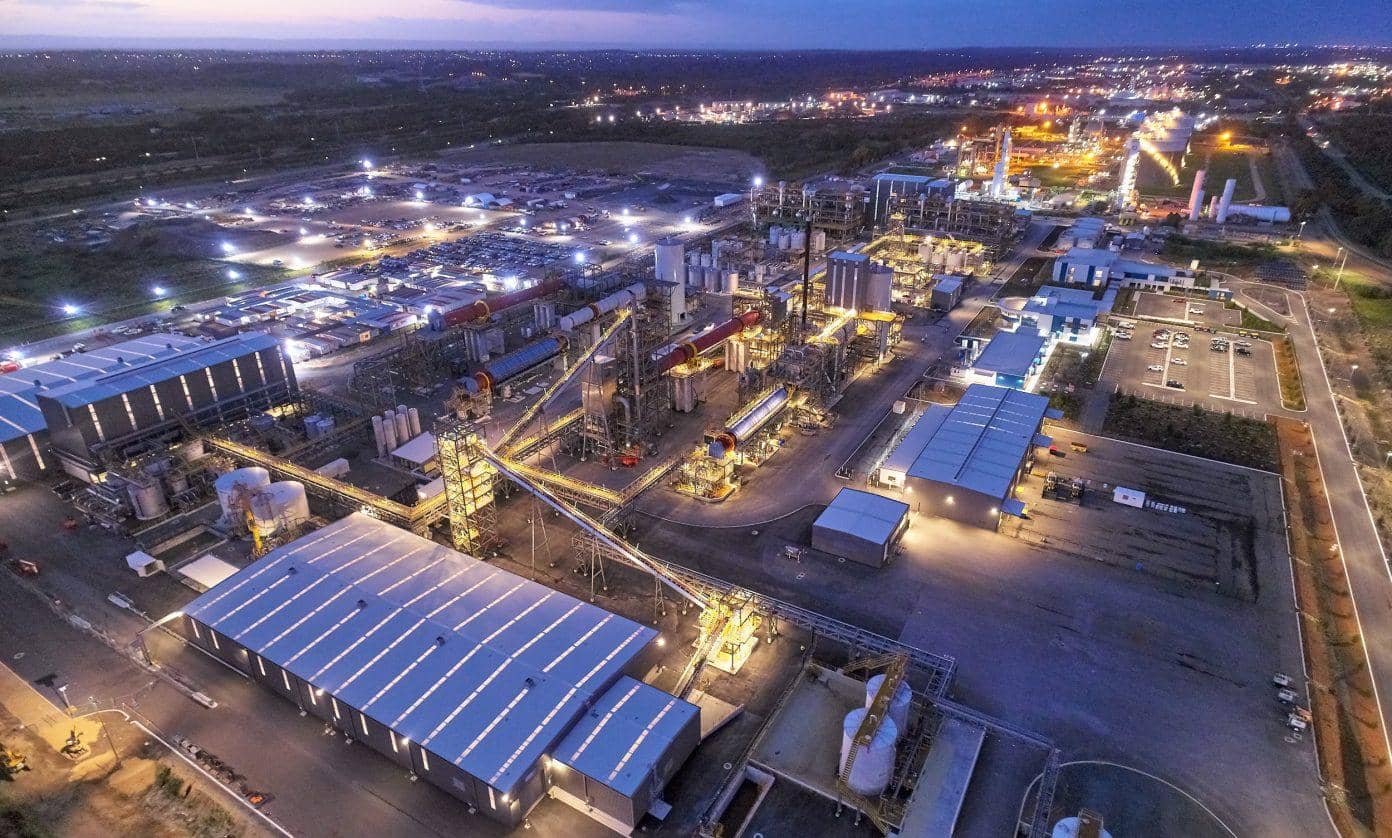
Kwinana: The industrial strip south of Perth that processes lithium hydroxide for export has been told, in effect, that its European tariff bill is going to zero, and nobody there can yet say in which calendar year.
Anthony Albanese and Ursula von der Leyen announced the conclusion of Australia-European Union free trade negotiations on 24 March 2026, closing a file opened in July 2018. Talks collapsed in 2023 over agricultural market access, sat dormant for two years, and restarted in June 2025 after Australia’s federal election and after both capitals concluded that American trade policy had made diversification urgent rather than desirable. The Australian government’s announcement framed it as a nine-year negotiation finally landing.
Concluding negotiations and having a treaty in force are separated by a procedural distance that trade lawyers understand and headlines rarely convey. Formal signature is expected in late 2026 or early 2027. Australia’s Joint Standing Committee on Treaties will then run its scrutiny process. The European Parliament must give consent. Depending on how the final legal scrubbing allocates competences, national parliaments across the Union may also vote. Every one of those steps has, in other agreements, taken longer than its sponsors forecast.
The commercial content justifies the wait for both sides. More than ninety-nine percent of European exports to Australia lose their tariffs. Ninety-eight percent of Australian goods enter the European market duty free once implementation completes. Critical minerals, lithium hydroxide and hydrogen all see tariffs eliminated. A professional mobility chapter allows four-year postings, which matters more to engineering and legal services firms than the headline tariff numbers do.
The minerals provisions carry the strategic weight. Australia holds substantial reserves of lithium, cobalt, rare earths and the heavy mineral sands that feed titanium and zirconium production, and it already signed a strategic partnership on critical minerals with the Union before the trade file closed. The agreement gives that partnership a rules-based frame, which in practice means predictable market access and dispute settlement rather than ministerial goodwill.
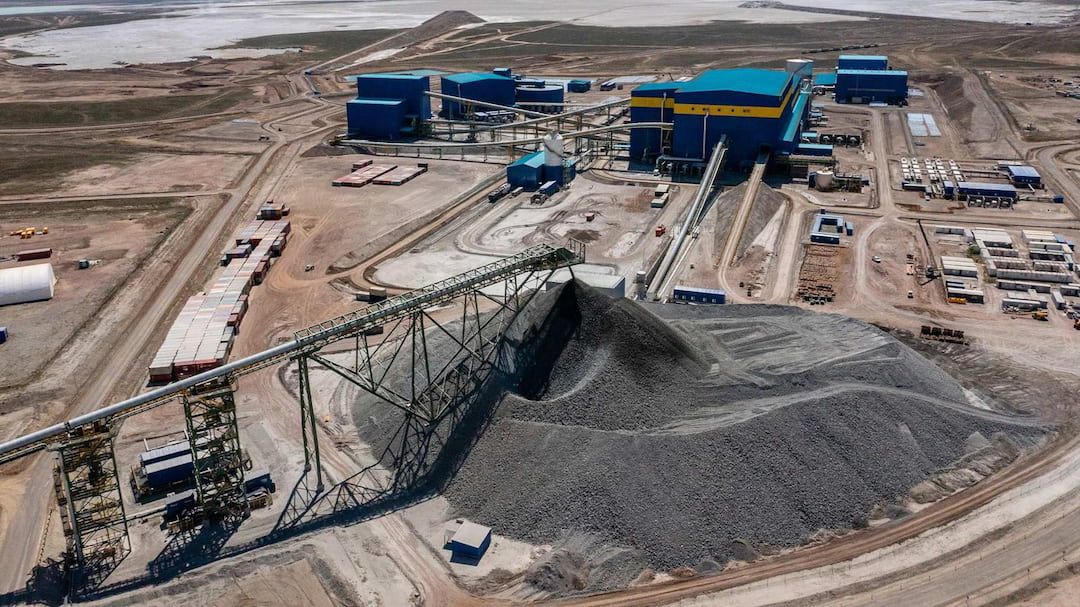
Australian analysts have been careful to describe this as a long game. Tariff elimination does not by itself build a refinery, and the value that Europe wants sits downstream of extraction, in processing and separation capacity that Australia has been trying to attract for a decade with mixed results. A duty-free channel into the European market improves the investment case. It does not close it.
There is a second document that received less attention. Canberra and Brussels signed a security and defence partnership alongside the trade conclusion, placing Australia in the same category as Japan and South Korea in the Union’s Indo-Pacific architecture. Trade and security arrived together, which is itself the point.
European farm lobbies have not disappeared, and the beef, sheepmeat and sugar quotas that sank the 2023 round will be read closely during ratification. Their argument is that quota volumes agreed under diversification pressure will outlive the pressure. The counterargument is that the quotas are small relative to European production and that the alternative is a Union with fewer options in a market it needs. Both will be made in the Parliament, and the vote is what decides.