August 9, 2026
LATEST
New EU Gas Market Rules Take Effect With Consumer SafeguardsDeforestation Regulation Holds Its December Deadline Despite CutsDigital Omnibus Delays Europe’s High-Risk AI Deadline to 2027Europe’s Schools Confront a Widening Basic Skills GapRule of Law Report Finds Progress but Trust Still LagsIRIS2 Gains 66 Satellites as Brussels Signs the Rollout DealNature Restoration Plans Come Due as Member States Race a DeadlineECB Rates Hold at 2.25 Percent as Frankfurt Waits on the DataEU Budget Talks Turn to Cohesion as Ireland Takes OverWildfire Response Stretches Europe’s Emergency Fleet ThinCan Europe’s Quantum Plan Match Its Big Ambitions?Armenia Edges West as Moscow’s Grip Slips AwayEurope Inherits the World’s Aid Bill It Cannot Fully PayAir Passenger Rights Get Their First Overhaul in Two DecadesErasmus Opens a 5 Billion Euro Round for Skills and MobilityCeuta Crisis Pushes the EU Toward Faster Migrant ReturnsBulky Parcels Face a Packaging Crackdown From August 12Can Europe Build Its Drone Wall Before 2030 Arrives?Indonesia’s Trade Deal With Europe Nears Its Final SignatureEurope Leans on Beijing to Keep Climate Talks Alive Before AntalyaNew EU Gas Market Rules Take Effect With Consumer SafeguardsDeforestation Regulation Holds Its December Deadline Despite CutsDigital Omnibus Delays Europe’s High-Risk AI Deadline to 2027Europe’s Schools Confront a Widening Basic Skills GapRule of Law Report Finds Progress but Trust Still LagsIRIS2 Gains 66 Satellites as Brussels Signs the Rollout DealNature Restoration Plans Come Due as Member States Race a DeadlineECB Rates Hold at 2.25 Percent as Frankfurt Waits on the DataEU Budget Talks Turn to Cohesion as Ireland Takes OverWildfire Response Stretches Europe’s Emergency Fleet ThinCan Europe’s Quantum Plan Match Its Big Ambitions?Armenia Edges West as Moscow’s Grip Slips AwayEurope Inherits the World’s Aid Bill It Cannot Fully PayAir Passenger Rights Get Their First Overhaul in Two DecadesErasmus Opens a 5 Billion Euro Round for Skills and MobilityCeuta Crisis Pushes the EU Toward Faster Migrant ReturnsBulky Parcels Face a Packaging Crackdown From August 12Can Europe Build Its Drone Wall Before 2030 Arrives?Indonesia’s Trade Deal With Europe Nears Its Final SignatureEurope Leans on Beijing to Keep Climate Talks Alive Before Antalya
August 9, 2026
LATEST
New EU Gas Market Rules Take Effect With Consumer SafeguardsDeforestation Regulation Holds Its December Deadline Despite CutsDigital Omnibus Delays Europe’s High-Risk AI Deadline to 2027Europe’s Schools Confront a Widening Basic Skills GapRule of Law Report Finds Progress but Trust Still LagsIRIS2 Gains 66 Satellites as Brussels Signs the Rollout DealNature Restoration Plans Come Due as Member States Race a DeadlineECB Rates Hold at 2.25 Percent as Frankfurt Waits on the DataEU Budget Talks Turn to Cohesion as Ireland Takes OverWildfire Response Stretches Europe’s Emergency Fleet ThinCan Europe’s Quantum Plan Match Its Big Ambitions?Armenia Edges West as Moscow’s Grip Slips AwayEurope Inherits the World’s Aid Bill It Cannot Fully PayAir Passenger Rights Get Their First Overhaul in Two DecadesErasmus Opens a 5 Billion Euro Round for Skills and MobilityCeuta Crisis Pushes the EU Toward Faster Migrant ReturnsBulky Parcels Face a Packaging Crackdown From August 12Can Europe Build Its Drone Wall Before 2030 Arrives?Indonesia’s Trade Deal With Europe Nears Its Final SignatureEurope Leans on Beijing to Keep Climate Talks Alive Before AntalyaNew EU Gas Market Rules Take Effect With Consumer SafeguardsDeforestation Regulation Holds Its December Deadline Despite CutsDigital Omnibus Delays Europe’s High-Risk AI Deadline to 2027Europe’s Schools Confront a Widening Basic Skills GapRule of Law Report Finds Progress but Trust Still LagsIRIS2 Gains 66 Satellites as Brussels Signs the Rollout DealNature Restoration Plans Come Due as Member States Race a DeadlineECB Rates Hold at 2.25 Percent as Frankfurt Waits on the DataEU Budget Talks Turn to Cohesion as Ireland Takes OverWildfire Response Stretches Europe’s Emergency Fleet ThinCan Europe’s Quantum Plan Match Its Big Ambitions?Armenia Edges West as Moscow’s Grip Slips AwayEurope Inherits the World’s Aid Bill It Cannot Fully PayAir Passenger Rights Get Their First Overhaul in Two DecadesErasmus Opens a 5 Billion Euro Round for Skills and MobilityCeuta Crisis Pushes the EU Toward Faster Migrant ReturnsBulky Parcels Face a Packaging Crackdown From August 12Can Europe Build Its Drone Wall Before 2030 Arrives?Indonesia’s Trade Deal With Europe Nears Its Final SignatureEurope Leans on Beijing to Keep Climate Talks Alive Before Antalya

Defence Loans Worth Billions Begin Reshaping Europe’s Arsenal

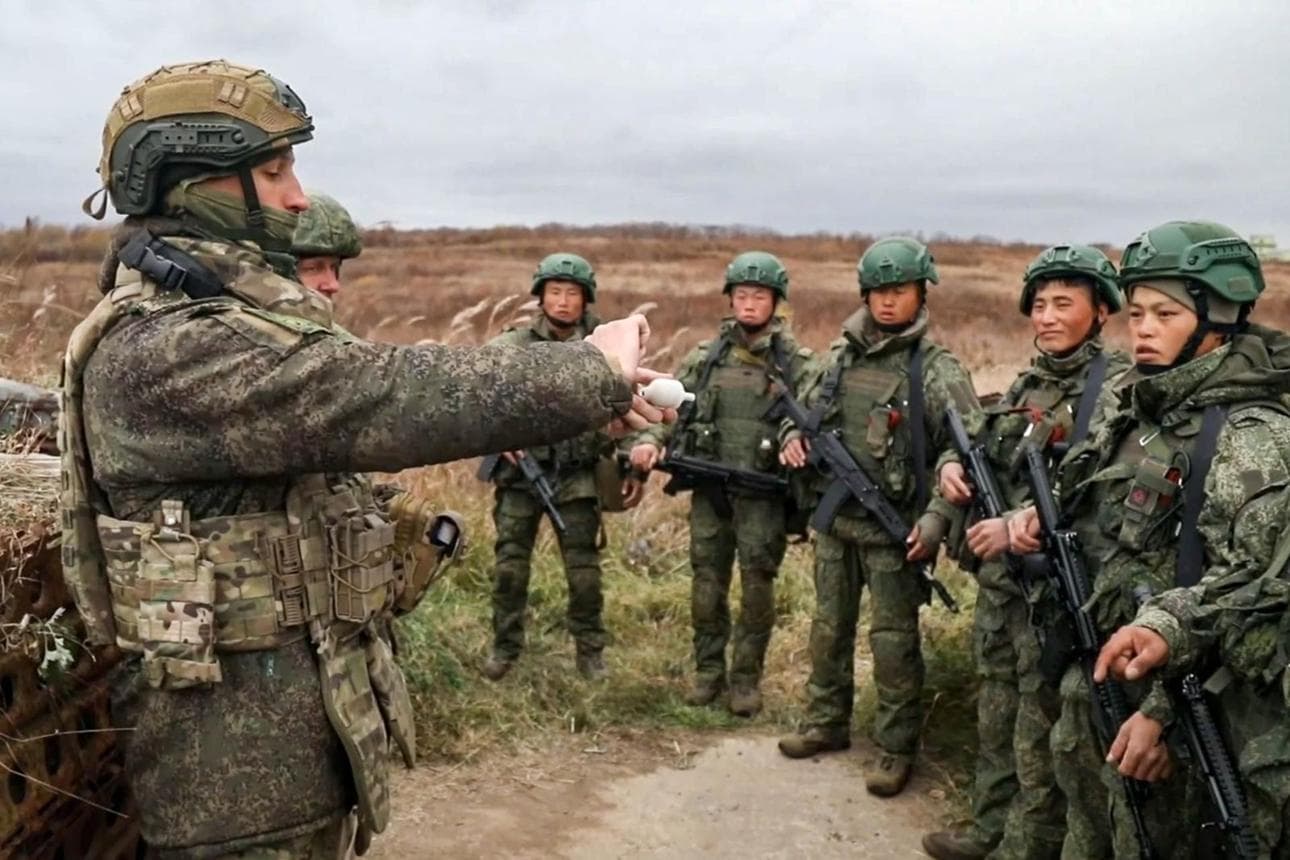
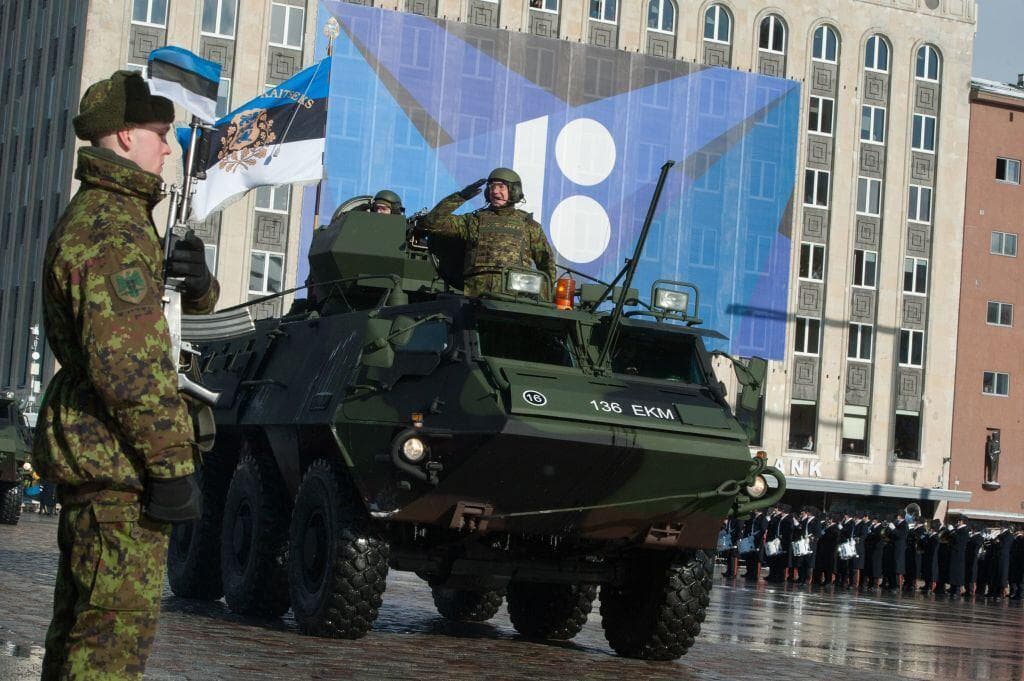
Tallinn: In the Estonian capital, where the threat from across the eastern border is treated less as a forecast than as a fact of geography, defence planners spent the early months of 2026 doing something that would have been unthinkable a few years ago: drawing down low-cost loans from a common European pot to buy weapons. The instrument behind it, Security Action for Europe, or SAFE, is the bloc’s first large-scale defence financing programme, and its money has now started to move.

SAFE was adopted by the Council in May 2025 and is built to channel up to one hundred and fifty billion euros in long-maturity, competitively priced loans to member states, repaid over time by the governments that borrow. The scale alone marks a departure for a Union that long treated defence as a jealously guarded national competence and kept its budgets pointedly away from anything resembling collective arms procurement. The war in Ukraine, repeated drone incursions over the bloc’s eastern flank, and uncertainty about the durability of American security guarantees combined to override those instincts.

The disbursements are now arriving in waves. In January 2026 the Commission approved a second tranche, unlocking roughly seventy-four billion euros for eight states including Estonia, Greece, Italy, Latvia, Lithuania, Poland, Slovakia and Finland, with Italy alone in line for close to fifteen billion. Across early 2026 the Council green-lit national defence investment plans for eighteen member states in total, after the Commission assessed how each intended to spend the borrowed money. The geographic pattern is unsurprising: the heaviest borrowers cluster along the frontier with Russia and Belarus, where the case for spending now rather than later requires no elaborate justification.

The conditions attached to the money are where SAFE tries to reshape the continent’s fragmented defence industry rather than merely fund it. Participating states are required, in principle, to procure jointly with at least one other country, a rule meant to force interoperability and economies of scale on armed forces that have historically bought twenty-seven slightly different versions of everything. A transitional window allows single-country purchases for now, in deference to how urgently capabilities are needed, but the long-term intent is consolidation. A further rule caps the share of any contract’s component costs that may originate outside the EU, Ukraine or the bloc’s EEA and EFTA partners at thirty-five percent, an unmistakable nudge toward European suppliers.

That last provision points to the programme’s most consequential foreign-policy dimension. Ukraine has been associated with SAFE from the outset, granted access on the same terms as member states both as a procurement partner and as a supplier. In practice this means European loans can underwrite contracts that draw on Ukraine’s own rapidly expanding wartime defence industry, knitting Kyiv’s manufacturers into the continent’s supply chains before any question of formal EU membership is resolved. For a country fighting a full-scale war, inclusion in a one-hundred-and-fifty-billion-euro financing instrument is a form of integration that arrives faster than accession ever could.

The harder questions are about delivery. Loans are not grants, and the states borrowing most heavily are often those whose public finances can least comfortably absorb new debt, however cheap. Joint procurement has been an aspiration in Brussels for decades and a reality far less often, defeated by national champions and incompatible requirements. And turning disbursed euros into delivered tanks, air defences and ammunition depends on a European industrial base still straining to expand. For planners in Tallinn, the money is welcome and overdue. Whether it produces a genuinely more capable and integrated European defence, or simply a more indebted one, will not be clear until the orders placed this year arrive in the field.