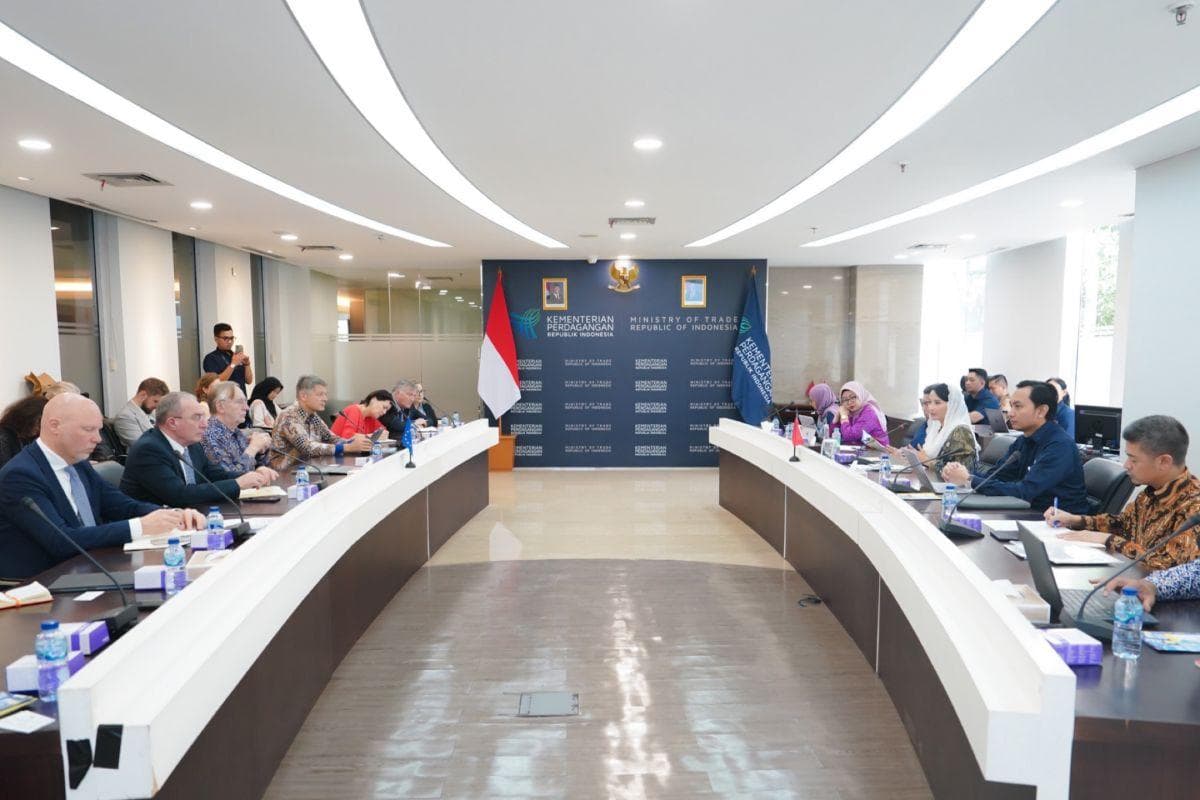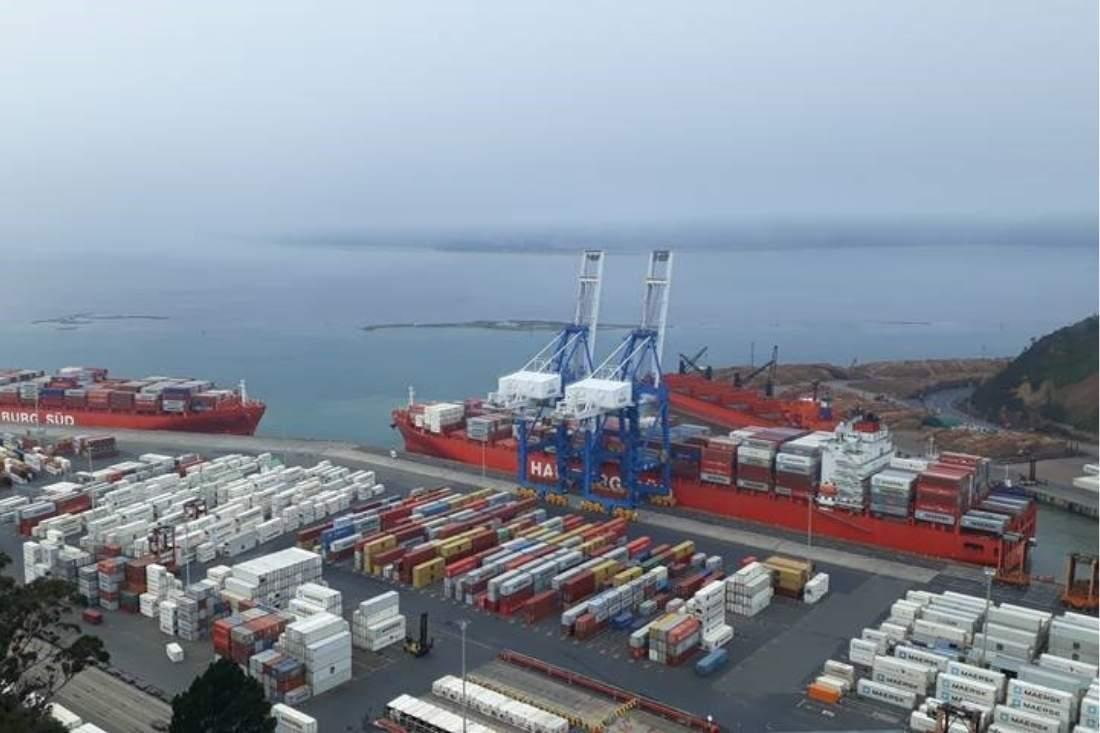
Wellington: The first Trade Committee under the European Union and New Zealand Free Trade Agreement, held on 25 October 2025, has framed the first operational year of a deal that entered into force in May 2024 with unusually strong headline numbers and unusually pointed friction over a regulation neither side negotiated at the table. Two-way goods and services trade reached 21.58 billion New Zealand dollars in the year to June 2025, an increase of eight percent on the prior period, with around two billion of additional exports attributable to the early tariff cuts. Dairy exports rose sixty-four percent, industrial product flows rose forty-four percent, horticulture rose thirty-eight percent. The numbers are real, but they sit inside a relationship that is now being tested by the European Union Deforestation Regulation more sharply than by any tariff schedule.
New Zealand exporters of beef, leather, soy-fed dairy ingredients and timber products fall directly inside the regulation’s scope, and the first Trade Committee minutes record an explicit commitment by both sides to work toward avoiding undue impact on New Zealand producers from the regulation’s application. The qualifier matters. The regulation does not bend for free trade partners; it bends only for jurisdictions that demonstrate negligible deforestation risk and provide credible traceability systems. New Zealand’s status as a low-risk country has not yet been formally confirmed under the Commission’s country benchmarking exercise, and the original December 2025 entry into force has been pushed back to give the Commission time to publish the country list. Brussels has informed Wellington that classification will turn on Joint Research Centre satellite analysis rather than diplomatic preference.
The dairy headline obscures a second tension. A meaningful share of the dairy increase has come through the agreement’s quota allocations rather than through new market access at fully liberalised tariffs, and the structural protection on butter, cheese and milk powder remains substantial under the European Common Agricultural Policy. Wellington views the quotas as a transitional architecture that will require renegotiation before the next decade, while Brussels treats them as the permanent outer limit of the agreement. The Trade Committee did not address the gap directly, and producer groups in both Auckland and several northern European capitals have begun to position themselves for the review window that opens once the agreement’s third anniversary is reached.
The labour rights amendment agreed at the October Committee marks the most visible technical change. New Zealand and the European Union committed to strengthening enforcement language under the Trade and Sustainable Development chapter and to revisiting the protocol for handling alleged violations. The amendment is modest in legal terms, but it sets a template that the European Union will likely export to its next-generation deals with Asia-Pacific partners, including agreements still in the legal scrubbing phase with Indonesia and the Philippines. Wellington has accepted that the sustainability chapter will tighten, in part because the carbon border adjustment mechanism would otherwise begin to bite at the edges of New Zealand industrial exports from 2027 onward.
The second Trade Committee will convene in Brussels during the second half of 2026, and it will land in a different policy weather. The European Commission’s pending forest reference legal acts, the operational launch of the Carbon Border Adjustment Mechanism in its full form, and the first comprehensive review of the agreement’s services chapter will all sharpen the agenda. The headline numbers from year one will not repeat at the same pace, and the second-year story will be told in regulatory paragraphs rather than tariff lines. For Wellington, the test is whether the political capital invested in the deal can carry it through the harder phase that begins now.