Brussels: A year that began with confident talk of “de-risking” has ended with Europe quietly relearning an old lesson, that supply chains are leverage and leverage is power. China’s two waves of rare-earth export controls, introduced in April and October 2025, did more to concentrate minds in European capitals than any number of strategy papers. The second and broader wave has been suspended until November 2026, but the reprieve is widely read in Brussels as a pause rather than a retreat.
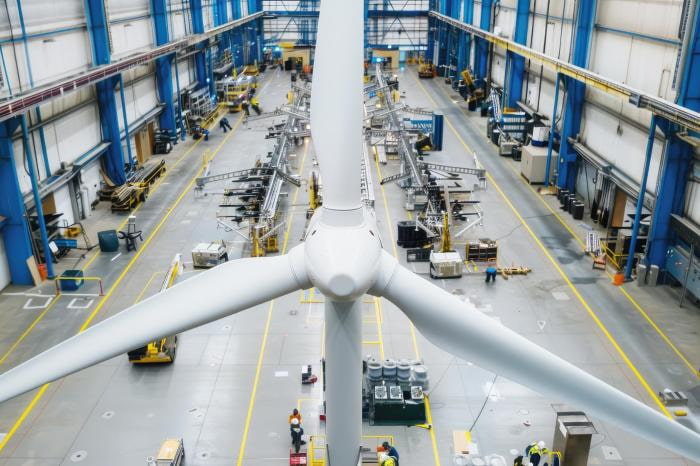
What unsettled European industry was not only the breadth of the measures but their design. Beijing extended controls beyond physical shipments to cover technological know-how and even foreign-made products containing trace amounts of Chinese-sourced material. Firms exporting magnets with only minor Chinese inputs now need approval, a reach that turns a raw-materials restriction into a tool that touches finished goods made far from China. For carmakers, wind-turbine builders and defence contractors, that is a structural vulnerability rather than a passing shock.
The European response has been twofold and revealing. On the policy side, the Critical Raw Materials Act provides the legal scaffolding, with the Commission backing strategic projects across France, Italy, Poland and Sweden that target different stages of the rare-earth value chain, from mining to separation and recycling. In October 2025 the Commission went further, launching the RESourceEU initiative for joint purchasing, stockpiling and supplier diversification. The logic borrows openly from the bloc’s pandemic-era vaccine playbook, pooling demand to gain bargaining weight.
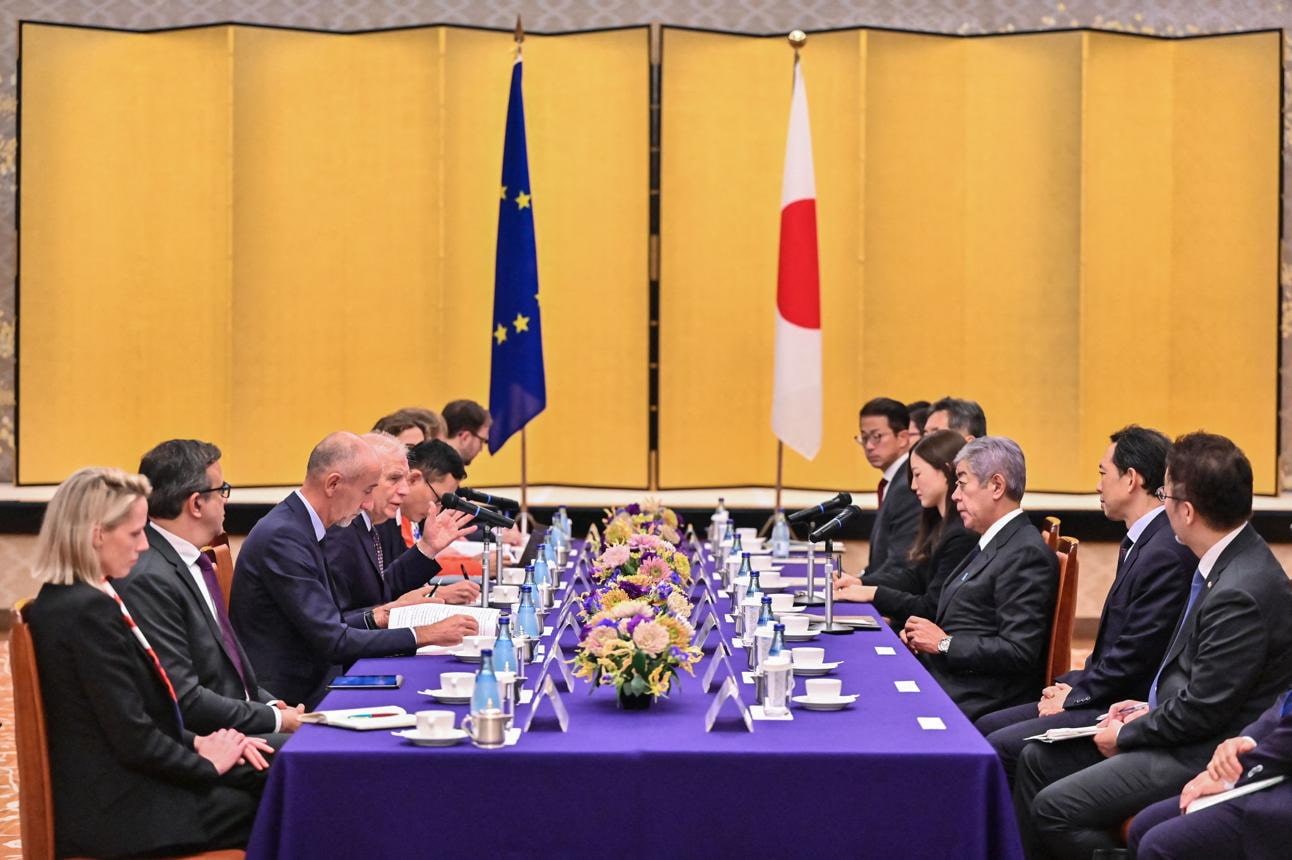
On the diplomatic side, the mood has shifted from confrontation to careful courtship. EU officials have reportedly been asked to soften public rhetoric on Beijing while negotiators pursue a general licensing arrangement that would let companies hold one-year permits, provided the end user and the materials stay constant and carry no military end-use. It is a pragmatic bargain, and one that exposes the gap between the EU’s stated ambition of strategic autonomy and its immediate dependence on Chinese goodwill.
That tension is the real story. Stockpiles and strategic projects take years to mature, while licences can be granted or withheld in weeks. European manufacturers cannot simply wait for domestic separation capacity that does not yet exist, so de-risking in the near term means managing the relationship rather than escaping it. Analysts advising the Commission have urged a sober baseline assumption, that China will keep curtailing critical-material flows to European industry whenever it serves Beijing’s interests, and that policy should be built for that world rather than a hoped-for thaw.
The deeper question for the Union is whether economic security can be financed and sustained once the immediate fear fades. Diversification is expensive, recycling is slow to scale and new mines face the same environmental scrutiny that pushed processing offshore in the first place. Europe has named the problem clearly. Whether it can hold its nerve through the November deadline, when the suspended controls could return, will say more about its resolve than any communique.