Rome: Europe is turning its attention beneath the waves. Across a series of meetings that began in Brussels and continued with a technical seminar in Rome, the European Union and its Indo-Pacific partners have started building a common front to protect the undersea cables and pipelines that carry the region’s data and energy.
The stakes are hard to overstate. Undersea cables carry an estimated 95 percent of the world’s cross-border digital traffic, from bank transfers to military communications. A handful of well-placed breaks could sever a country’s link to the global internet, and recent damage to cables in the Baltic and near Taiwan has shown how exposed that infrastructure remains.
Europe has learned the lesson at home. After a run of suspicious cable and pipeline incidents in its own waters, the Union began treating seabed infrastructure as a security priority rather than a purely commercial concern. It is now exporting that thinking to the Indo-Pacific, where the density of cables and the intensity of great-power rivalry make the seabed even more contested.
The initiative is deliberately multilateral. Rather than confront any single country, Brussels has gathered partners from across the region to share surveillance data, coordinate repairs and agree on how to respond when cables are cut. The approach reflects the Union’s wider Indo-Pacific strategy, which seeks cooperation where possible while pushing back against coercion.
China hangs over the effort without always being named. European officials insist the work is not aimed at containing Beijing, yet the emphasis on freedom of navigation, shadow fleets and sabotage points unmistakably toward the behaviour that worries the region’s democracies. The careful language lets partners join without signing up to open confrontation.
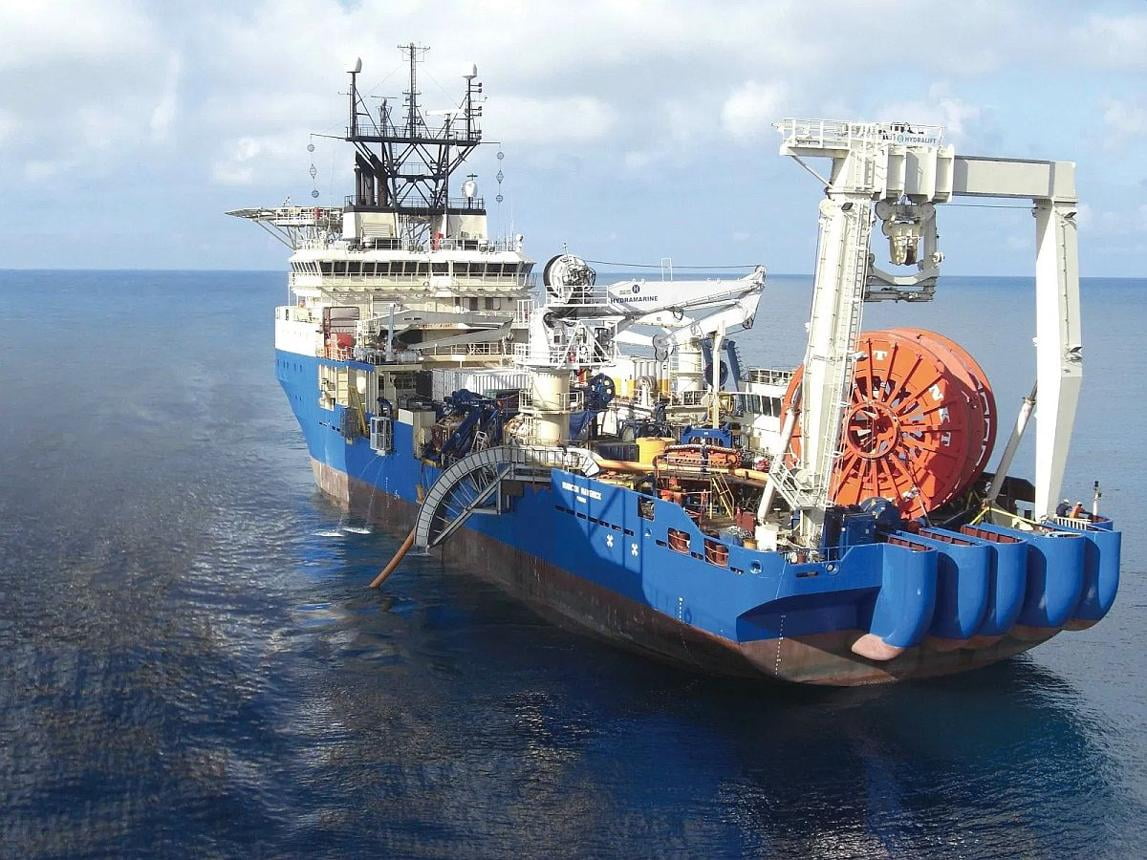
Practical cooperation is already taking shape. Experts from Europe and the Indo-Pacific have compared how they map cables, how quickly they can deploy repair ships, and how they share intelligence about vessels loitering near sensitive routes. Small steps, but they build the habits and contacts that matter when a crisis strikes at three in the morning.
The economic logic reinforces the security one. The same cables that carry military traffic also carry the data underpinning trade, finance and cloud services. Protecting them serves European firms as much as European strategists, and it gives Indo-Pacific partners a reason to cooperate that has nothing to do with picking sides.
Obstacles remain. The region spans vast distances and jealous sovereignties, and no single navy can patrol every route. Turning seminars into standing arrangements will demand money, ships and sustained political attention that European capitals do not always supply.
Yet the direction signals something new. Europe has decided that its security no longer stops at its own coastline, and that the cables threading the Indian and Pacific oceans are part of its strategic map. In choosing to defend the seabed alongside distant partners, the Union is quietly redrawing the boundaries of where it believes its interests lie.