August 9, 2026
LATEST
New EU Gas Market Rules Take Effect With Consumer SafeguardsDeforestation Regulation Holds Its December Deadline Despite CutsDigital Omnibus Delays Europe’s High-Risk AI Deadline to 2027Europe’s Schools Confront a Widening Basic Skills GapRule of Law Report Finds Progress but Trust Still LagsIRIS2 Gains 66 Satellites as Brussels Signs the Rollout DealNature Restoration Plans Come Due as Member States Race a DeadlineECB Rates Hold at 2.25 Percent as Frankfurt Waits on the DataEU Budget Talks Turn to Cohesion as Ireland Takes OverWildfire Response Stretches Europe’s Emergency Fleet ThinCan Europe’s Quantum Plan Match Its Big Ambitions?Armenia Edges West as Moscow’s Grip Slips AwayEurope Inherits the World’s Aid Bill It Cannot Fully PayAir Passenger Rights Get Their First Overhaul in Two DecadesErasmus Opens a 5 Billion Euro Round for Skills and MobilityCeuta Crisis Pushes the EU Toward Faster Migrant ReturnsBulky Parcels Face a Packaging Crackdown From August 12Can Europe Build Its Drone Wall Before 2030 Arrives?Indonesia’s Trade Deal With Europe Nears Its Final SignatureEurope Leans on Beijing to Keep Climate Talks Alive Before AntalyaNew EU Gas Market Rules Take Effect With Consumer SafeguardsDeforestation Regulation Holds Its December Deadline Despite CutsDigital Omnibus Delays Europe’s High-Risk AI Deadline to 2027Europe’s Schools Confront a Widening Basic Skills GapRule of Law Report Finds Progress but Trust Still LagsIRIS2 Gains 66 Satellites as Brussels Signs the Rollout DealNature Restoration Plans Come Due as Member States Race a DeadlineECB Rates Hold at 2.25 Percent as Frankfurt Waits on the DataEU Budget Talks Turn to Cohesion as Ireland Takes OverWildfire Response Stretches Europe’s Emergency Fleet ThinCan Europe’s Quantum Plan Match Its Big Ambitions?Armenia Edges West as Moscow’s Grip Slips AwayEurope Inherits the World’s Aid Bill It Cannot Fully PayAir Passenger Rights Get Their First Overhaul in Two DecadesErasmus Opens a 5 Billion Euro Round for Skills and MobilityCeuta Crisis Pushes the EU Toward Faster Migrant ReturnsBulky Parcels Face a Packaging Crackdown From August 12Can Europe Build Its Drone Wall Before 2030 Arrives?Indonesia’s Trade Deal With Europe Nears Its Final SignatureEurope Leans on Beijing to Keep Climate Talks Alive Before Antalya
August 9, 2026
LATEST
New EU Gas Market Rules Take Effect With Consumer SafeguardsDeforestation Regulation Holds Its December Deadline Despite CutsDigital Omnibus Delays Europe’s High-Risk AI Deadline to 2027Europe’s Schools Confront a Widening Basic Skills GapRule of Law Report Finds Progress but Trust Still LagsIRIS2 Gains 66 Satellites as Brussels Signs the Rollout DealNature Restoration Plans Come Due as Member States Race a DeadlineECB Rates Hold at 2.25 Percent as Frankfurt Waits on the DataEU Budget Talks Turn to Cohesion as Ireland Takes OverWildfire Response Stretches Europe’s Emergency Fleet ThinCan Europe’s Quantum Plan Match Its Big Ambitions?Armenia Edges West as Moscow’s Grip Slips AwayEurope Inherits the World’s Aid Bill It Cannot Fully PayAir Passenger Rights Get Their First Overhaul in Two DecadesErasmus Opens a 5 Billion Euro Round for Skills and MobilityCeuta Crisis Pushes the EU Toward Faster Migrant ReturnsBulky Parcels Face a Packaging Crackdown From August 12Can Europe Build Its Drone Wall Before 2030 Arrives?Indonesia’s Trade Deal With Europe Nears Its Final SignatureEurope Leans on Beijing to Keep Climate Talks Alive Before AntalyaNew EU Gas Market Rules Take Effect With Consumer SafeguardsDeforestation Regulation Holds Its December Deadline Despite CutsDigital Omnibus Delays Europe’s High-Risk AI Deadline to 2027Europe’s Schools Confront a Widening Basic Skills GapRule of Law Report Finds Progress but Trust Still LagsIRIS2 Gains 66 Satellites as Brussels Signs the Rollout DealNature Restoration Plans Come Due as Member States Race a DeadlineECB Rates Hold at 2.25 Percent as Frankfurt Waits on the DataEU Budget Talks Turn to Cohesion as Ireland Takes OverWildfire Response Stretches Europe’s Emergency Fleet ThinCan Europe’s Quantum Plan Match Its Big Ambitions?Armenia Edges West as Moscow’s Grip Slips AwayEurope Inherits the World’s Aid Bill It Cannot Fully PayAir Passenger Rights Get Their First Overhaul in Two DecadesErasmus Opens a 5 Billion Euro Round for Skills and MobilityCeuta Crisis Pushes the EU Toward Faster Migrant ReturnsBulky Parcels Face a Packaging Crackdown From August 12Can Europe Build Its Drone Wall Before 2030 Arrives?Indonesia’s Trade Deal With Europe Nears Its Final SignatureEurope Leans on Beijing to Keep Climate Talks Alive Before Antalya

Europe Rejects Israel’s Gaza Land Grab but Stays Split on Action

Brussels: The European Council’s June conclusions ran to many careful pages, but one sentence travelled further than the diplomatic padding around it. EU leaders “firmly rejected” Israel’s announcement that it intends to control seventy percent of Gaza’s territory. The phrasing was blunt by the standards of a body that prizes consensus, and it captured a bloc trying to sound resolute on humanitarian principle while remaining unable to agree on what, if anything, it will do next.

The gap between word and instrument is the story. Earlier this year a review by the EU’s own diplomatic service concluded that Israel had breached the human rights clause, known as Article 2, of the Association Agreement that frames trade and political ties. On paper that finding opens the door to suspending or trimming the agreement. In practice the door stayed shut. Spain, Slovenia and Ireland pressed for the deal to be reconsidered; Germany and Italy blocked the move. Any meaningful suspension requires a unanimity the bloc plainly does not have, which is why the strongest measure to clear the system has been a narrow set of sanctions in May against settler organisations and figures tied to expansion in the occupied West Bank, including asset freezes and travel bans.

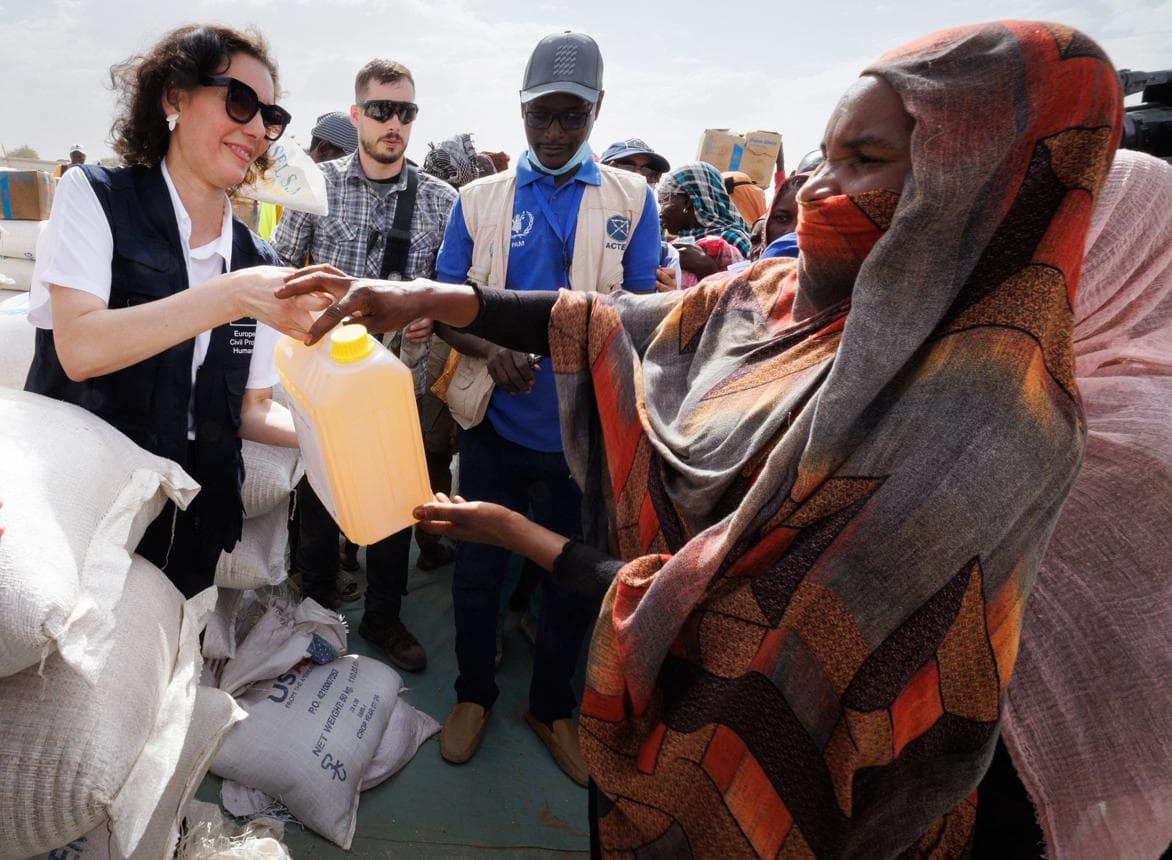
This is where the humanitarian dimension presses hardest. A plan to hold the majority of Gaza’s land is not an abstraction for civilians who depend on the movement of food, fuel and medical supplies through a shrinking set of corridors. The EU and its member states remain among the largest funders of relief for Gaza, yet financing aid while the territory’s access map is redrawn exposes an uncomfortable truth: money can sustain a population it cannot protect. Aid agencies have warned for months that without guaranteed and predictable access, humanitarian budgets buy diminishing returns.

Defenders of the cautious line argue it is the responsible one. Suspending the Association Agreement, they contend, would sever the very channels through which Europe still raises civilian protection and access with Israeli counterparts, while inflicting economic harm whose burden would not fall on those making military decisions. Critics counter that a rights clause never enforced is a rights clause that means nothing, and that the credibility the EU spends lecturing others on international law erodes each time it declines to apply its own. Both cannot be fully right, and the unresolved tension is now a fixture of European policy.

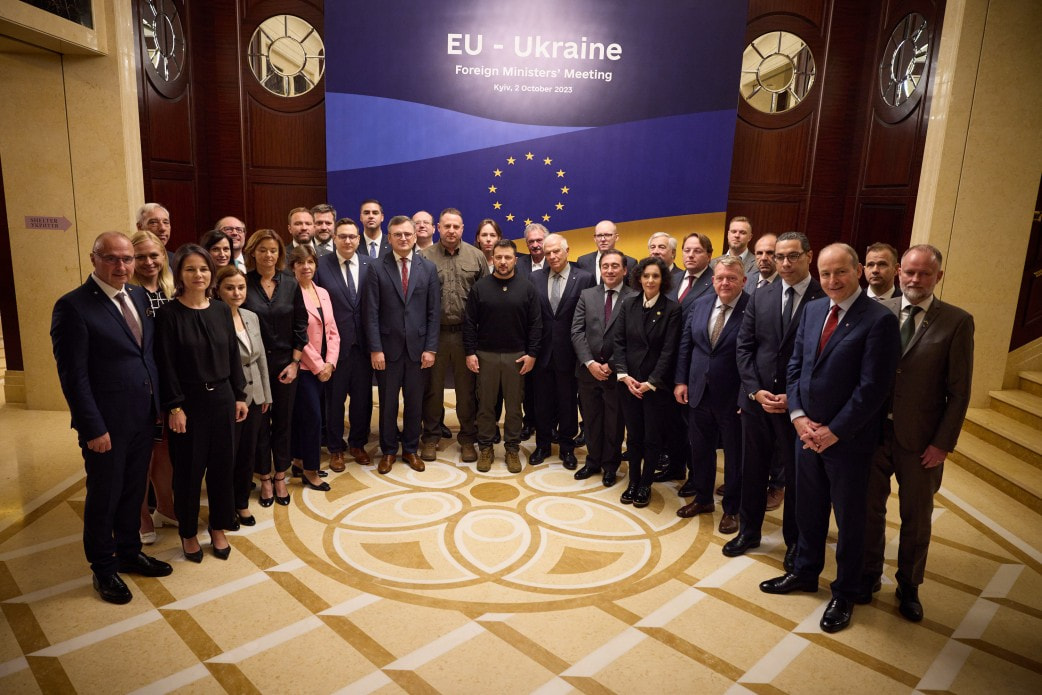
The strategic stakes reach beyond Gaza. Much of the developing world watched how the EU handled Ukraine, where sanctions, funding and rhetoric aligned with unusual speed. The contrast with its Israel posture feeds a charge of double standards that complicates European diplomacy from the Sahel to Southeast Asia, precisely as Brussels courts those regions on trade and security. A bloc that wants to be taken seriously as a normative power cannot indefinitely separate what it says from what it is willing to enforce.

What comes next likely turns less on Brussels than on the ground. If Israel proceeds with extended territorial control, the pressure to move from statements to measures will build, and the southern member states will keep forcing the question onto the agenda. If a ceasefire or a credible access guarantee emerges, the EU will exhale and let the Association Agreement drift back into the background. For now the bloc has chosen the hardest position to sustain: loud rejection, quiet inaction, and a humanitarian bill it keeps paying while the conditions that justify it slip further from its control.