August 9, 2026
LATEST
New EU Gas Market Rules Take Effect With Consumer SafeguardsDeforestation Regulation Holds Its December Deadline Despite CutsDigital Omnibus Delays Europe’s High-Risk AI Deadline to 2027Europe’s Schools Confront a Widening Basic Skills GapRule of Law Report Finds Progress but Trust Still LagsIRIS2 Gains 66 Satellites as Brussels Signs the Rollout DealNature Restoration Plans Come Due as Member States Race a DeadlineECB Rates Hold at 2.25 Percent as Frankfurt Waits on the DataEU Budget Talks Turn to Cohesion as Ireland Takes OverWildfire Response Stretches Europe’s Emergency Fleet ThinCan Europe’s Quantum Plan Match Its Big Ambitions?Armenia Edges West as Moscow’s Grip Slips AwayEurope Inherits the World’s Aid Bill It Cannot Fully PayAir Passenger Rights Get Their First Overhaul in Two DecadesErasmus Opens a 5 Billion Euro Round for Skills and MobilityCeuta Crisis Pushes the EU Toward Faster Migrant ReturnsBulky Parcels Face a Packaging Crackdown From August 12Can Europe Build Its Drone Wall Before 2030 Arrives?Indonesia’s Trade Deal With Europe Nears Its Final SignatureEurope Leans on Beijing to Keep Climate Talks Alive Before AntalyaNew EU Gas Market Rules Take Effect With Consumer SafeguardsDeforestation Regulation Holds Its December Deadline Despite CutsDigital Omnibus Delays Europe’s High-Risk AI Deadline to 2027Europe’s Schools Confront a Widening Basic Skills GapRule of Law Report Finds Progress but Trust Still LagsIRIS2 Gains 66 Satellites as Brussels Signs the Rollout DealNature Restoration Plans Come Due as Member States Race a DeadlineECB Rates Hold at 2.25 Percent as Frankfurt Waits on the DataEU Budget Talks Turn to Cohesion as Ireland Takes OverWildfire Response Stretches Europe’s Emergency Fleet ThinCan Europe’s Quantum Plan Match Its Big Ambitions?Armenia Edges West as Moscow’s Grip Slips AwayEurope Inherits the World’s Aid Bill It Cannot Fully PayAir Passenger Rights Get Their First Overhaul in Two DecadesErasmus Opens a 5 Billion Euro Round for Skills and MobilityCeuta Crisis Pushes the EU Toward Faster Migrant ReturnsBulky Parcels Face a Packaging Crackdown From August 12Can Europe Build Its Drone Wall Before 2030 Arrives?Indonesia’s Trade Deal With Europe Nears Its Final SignatureEurope Leans on Beijing to Keep Climate Talks Alive Before Antalya
August 9, 2026
LATEST
New EU Gas Market Rules Take Effect With Consumer SafeguardsDeforestation Regulation Holds Its December Deadline Despite CutsDigital Omnibus Delays Europe’s High-Risk AI Deadline to 2027Europe’s Schools Confront a Widening Basic Skills GapRule of Law Report Finds Progress but Trust Still LagsIRIS2 Gains 66 Satellites as Brussels Signs the Rollout DealNature Restoration Plans Come Due as Member States Race a DeadlineECB Rates Hold at 2.25 Percent as Frankfurt Waits on the DataEU Budget Talks Turn to Cohesion as Ireland Takes OverWildfire Response Stretches Europe’s Emergency Fleet ThinCan Europe’s Quantum Plan Match Its Big Ambitions?Armenia Edges West as Moscow’s Grip Slips AwayEurope Inherits the World’s Aid Bill It Cannot Fully PayAir Passenger Rights Get Their First Overhaul in Two DecadesErasmus Opens a 5 Billion Euro Round for Skills and MobilityCeuta Crisis Pushes the EU Toward Faster Migrant ReturnsBulky Parcels Face a Packaging Crackdown From August 12Can Europe Build Its Drone Wall Before 2030 Arrives?Indonesia’s Trade Deal With Europe Nears Its Final SignatureEurope Leans on Beijing to Keep Climate Talks Alive Before AntalyaNew EU Gas Market Rules Take Effect With Consumer SafeguardsDeforestation Regulation Holds Its December Deadline Despite CutsDigital Omnibus Delays Europe’s High-Risk AI Deadline to 2027Europe’s Schools Confront a Widening Basic Skills GapRule of Law Report Finds Progress but Trust Still LagsIRIS2 Gains 66 Satellites as Brussels Signs the Rollout DealNature Restoration Plans Come Due as Member States Race a DeadlineECB Rates Hold at 2.25 Percent as Frankfurt Waits on the DataEU Budget Talks Turn to Cohesion as Ireland Takes OverWildfire Response Stretches Europe’s Emergency Fleet ThinCan Europe’s Quantum Plan Match Its Big Ambitions?Armenia Edges West as Moscow’s Grip Slips AwayEurope Inherits the World’s Aid Bill It Cannot Fully PayAir Passenger Rights Get Their First Overhaul in Two DecadesErasmus Opens a 5 Billion Euro Round for Skills and MobilityCeuta Crisis Pushes the EU Toward Faster Migrant ReturnsBulky Parcels Face a Packaging Crackdown From August 12Can Europe Build Its Drone Wall Before 2030 Arrives?Indonesia’s Trade Deal With Europe Nears Its Final SignatureEurope Leans on Beijing to Keep Climate Talks Alive Before Antalya

Global Gateway Ghana Package Signals EU’s Strategic Bid to Counter China in Africa

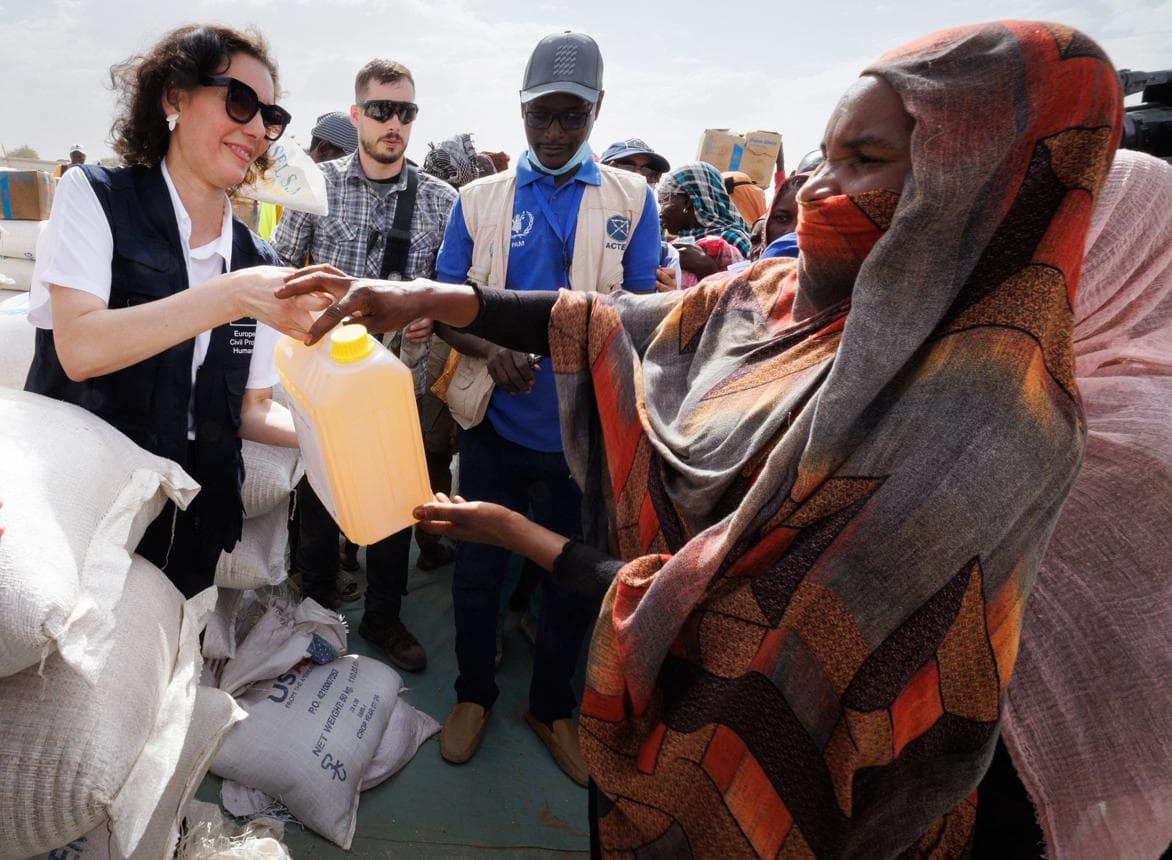
Accra: When the European Union unveiled a one billion euro investment package for Africa under its Global Gateway initiative at the Europe Day reception in Accra, it marked far more than another headline figure in an increasingly crowded geoeconomic landscape. Coinciding with fifty years of Ghana–EU diplomatic relations, the announcement crystallised a strategic shift that has been quietly maturing since 2021. Brussels is no longer content to be perceived primarily as a development donor in Africa. The Union is positioning itself as a strategic partner of choice, deploying infrastructure, energy and digital investment as instruments of geopolitical alignment in a continent where Chinese, American, Russian and Gulf actors are competing for influence.

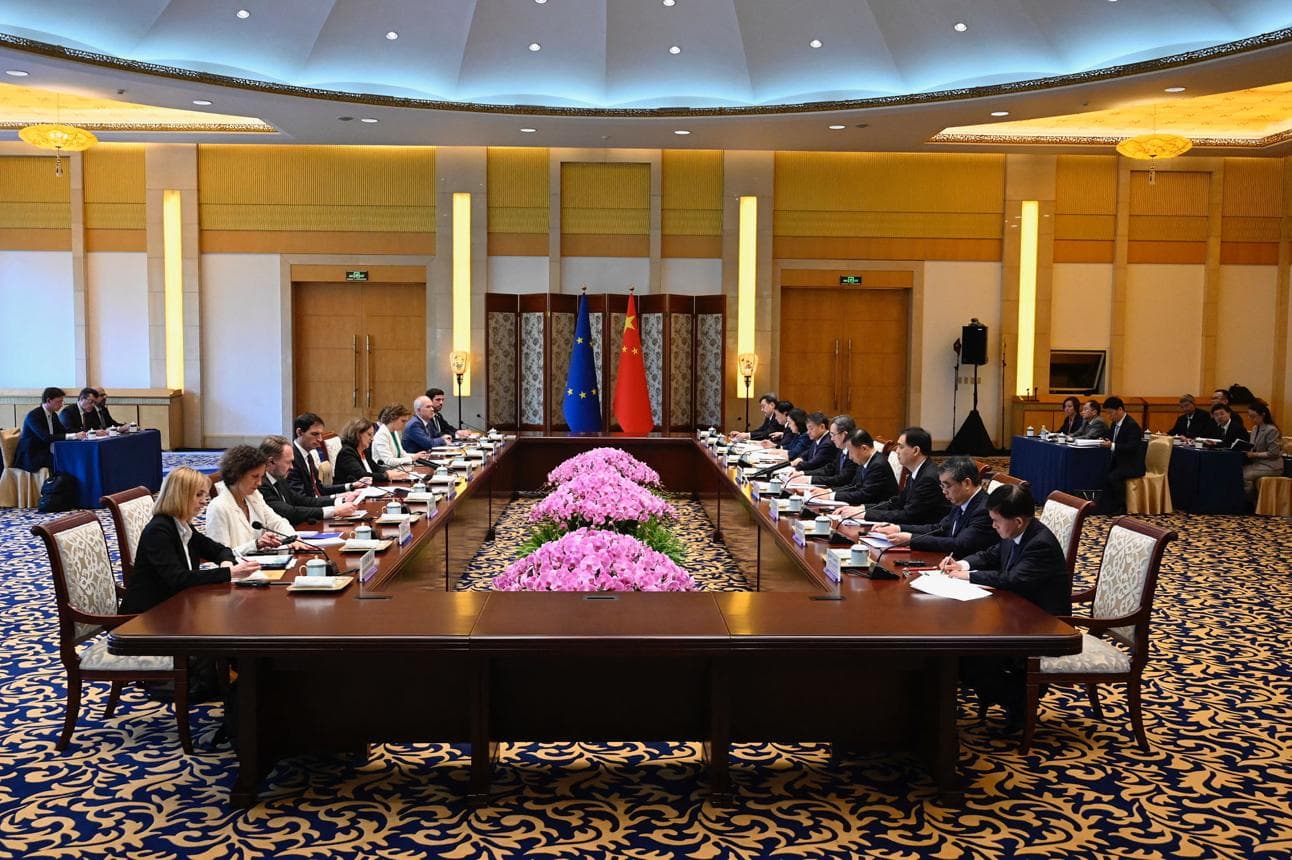
The Global Gateway, launched in late 2021 with a headline ambition of mobilising up to three hundred billion euros worldwide by 2027, has from the outset been understood in Brussels and Beijing alike as a European response to China’s Belt and Road Initiative. Roughly half of the projected envelope, around one hundred and fifty billion euros, has been earmarked for the Africa–Europe Investment Package. Two and a half years into implementation, Team Europe reports having mobilised over three hundred billion euros for sustainable projects globally, with more than two hundred and fifty flagship projects launched. The figures, while substantial, conceal a more complex reality. Much of this capital is repurposed from existing budget lines, leveraged through guarantees rather than disbursed in fresh grants, and dependent on private sector co-financing that has materialised unevenly.

The Ghana announcement nonetheless represents something analytically distinct from the cumulative headline numbers. It is granular, sectoral, and politically deliberate. Renewable energy, technology, regional connectivity and infrastructure form the declared priorities, mirroring the framework agreement signed with the African Development Bank Group on the sidelines of the Italy–Africa summit. That partnership — now approaching one billion euros in blending operations and guarantees — underwrites large-scale projects including the Lobito Corridor, which will link the Democratic Republic of Congo and Zambia to the Atlantic, opening export possibilities that until recently would have been routed through East African ports.

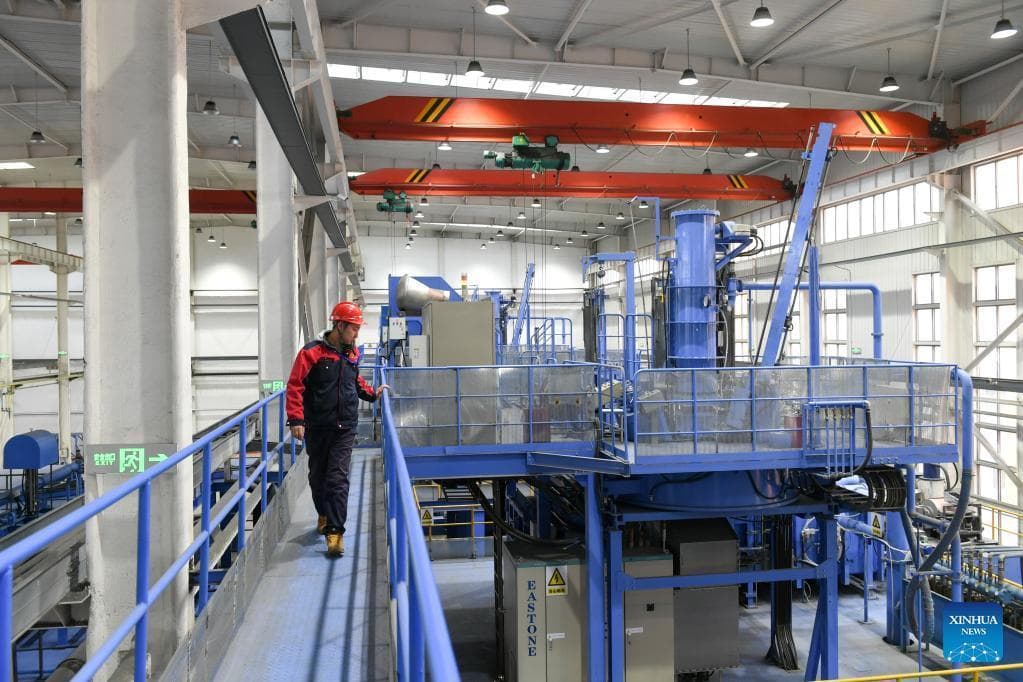
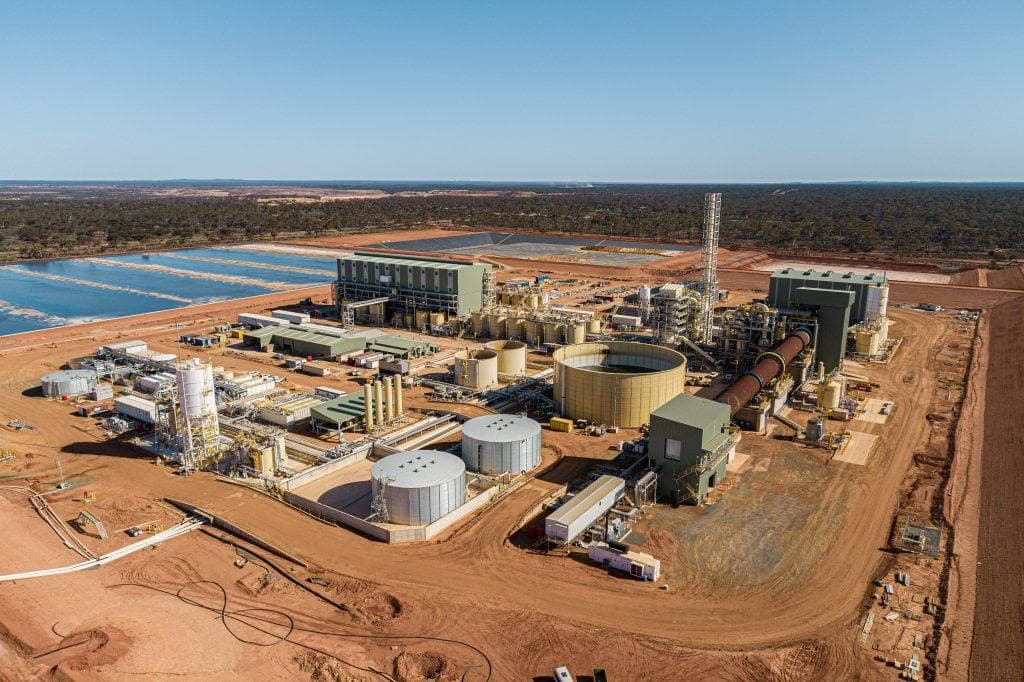
Researchers tracking the initiative have noted that Global Gateway represents a genuine doctrinal shift in European external action. Academic assessments from the University of Freiburg and elsewhere have characterised the strategy as more interest-led and geostrategic than any previous European framework for engagement with the Global South. The underlying objective is securing access to critical minerals, energy resources and markets while reducing dependencies, particularly on China. Rare earth minerals are a central preoccupation. African soil contains substantial reserves of materials indispensable to green and digital industries, and Brussels has begun to articulate frameworks — such as the Sustainable Investment Facilitation Agreement with Angola, in force since 2024 — designed to create the legal infrastructure for long-term European corporate engagement.

The challenges are not rhetorical. African partners have been clear that they will not exchange one form of dependency for another, and that European investment must deliver tangible local value addition, decent employment, and respect for sovereignty over resource governance frameworks. The G20 Critical Minerals Framework, a voluntary blueprint emphasising beneficiation rather than raw extraction, reflects this expectation. The introduction of Compact with Africa 2.0 under successive G20 presidencies has added complementary architecture intended to improve macroeconomic frameworks across fifteen participating states.

The credibility of Global Gateway will ultimately be measured not by the cumulative announcements but by the quality of completed projects, the resilience of supply chains during stress events, and whether young African entrepreneurs and small enterprises experience the initiative as genuinely transformative or as another iteration of conditional engagement. The Accra announcement, against the backdrop of fifty years of bilateral history, suggests Brussels is conscious of the stakes. Execution will determine whether the rhetoric translates into a durable reorientation of the continent’s external partnerships.