August 9, 2026
LATEST
New EU Gas Market Rules Take Effect With Consumer SafeguardsDeforestation Regulation Holds Its December Deadline Despite CutsDigital Omnibus Delays Europe’s High-Risk AI Deadline to 2027Europe’s Schools Confront a Widening Basic Skills GapRule of Law Report Finds Progress but Trust Still LagsIRIS2 Gains 66 Satellites as Brussels Signs the Rollout DealNature Restoration Plans Come Due as Member States Race a DeadlineECB Rates Hold at 2.25 Percent as Frankfurt Waits on the DataEU Budget Talks Turn to Cohesion as Ireland Takes OverWildfire Response Stretches Europe’s Emergency Fleet ThinCan Europe’s Quantum Plan Match Its Big Ambitions?Armenia Edges West as Moscow’s Grip Slips AwayEurope Inherits the World’s Aid Bill It Cannot Fully PayAir Passenger Rights Get Their First Overhaul in Two DecadesErasmus Opens a 5 Billion Euro Round for Skills and MobilityCeuta Crisis Pushes the EU Toward Faster Migrant ReturnsBulky Parcels Face a Packaging Crackdown From August 12Can Europe Build Its Drone Wall Before 2030 Arrives?Indonesia’s Trade Deal With Europe Nears Its Final SignatureEurope Leans on Beijing to Keep Climate Talks Alive Before AntalyaNew EU Gas Market Rules Take Effect With Consumer SafeguardsDeforestation Regulation Holds Its December Deadline Despite CutsDigital Omnibus Delays Europe’s High-Risk AI Deadline to 2027Europe’s Schools Confront a Widening Basic Skills GapRule of Law Report Finds Progress but Trust Still LagsIRIS2 Gains 66 Satellites as Brussels Signs the Rollout DealNature Restoration Plans Come Due as Member States Race a DeadlineECB Rates Hold at 2.25 Percent as Frankfurt Waits on the DataEU Budget Talks Turn to Cohesion as Ireland Takes OverWildfire Response Stretches Europe’s Emergency Fleet ThinCan Europe’s Quantum Plan Match Its Big Ambitions?Armenia Edges West as Moscow’s Grip Slips AwayEurope Inherits the World’s Aid Bill It Cannot Fully PayAir Passenger Rights Get Their First Overhaul in Two DecadesErasmus Opens a 5 Billion Euro Round for Skills and MobilityCeuta Crisis Pushes the EU Toward Faster Migrant ReturnsBulky Parcels Face a Packaging Crackdown From August 12Can Europe Build Its Drone Wall Before 2030 Arrives?Indonesia’s Trade Deal With Europe Nears Its Final SignatureEurope Leans on Beijing to Keep Climate Talks Alive Before Antalya
August 9, 2026
LATEST
New EU Gas Market Rules Take Effect With Consumer SafeguardsDeforestation Regulation Holds Its December Deadline Despite CutsDigital Omnibus Delays Europe’s High-Risk AI Deadline to 2027Europe’s Schools Confront a Widening Basic Skills GapRule of Law Report Finds Progress but Trust Still LagsIRIS2 Gains 66 Satellites as Brussels Signs the Rollout DealNature Restoration Plans Come Due as Member States Race a DeadlineECB Rates Hold at 2.25 Percent as Frankfurt Waits on the DataEU Budget Talks Turn to Cohesion as Ireland Takes OverWildfire Response Stretches Europe’s Emergency Fleet ThinCan Europe’s Quantum Plan Match Its Big Ambitions?Armenia Edges West as Moscow’s Grip Slips AwayEurope Inherits the World’s Aid Bill It Cannot Fully PayAir Passenger Rights Get Their First Overhaul in Two DecadesErasmus Opens a 5 Billion Euro Round for Skills and MobilityCeuta Crisis Pushes the EU Toward Faster Migrant ReturnsBulky Parcels Face a Packaging Crackdown From August 12Can Europe Build Its Drone Wall Before 2030 Arrives?Indonesia’s Trade Deal With Europe Nears Its Final SignatureEurope Leans on Beijing to Keep Climate Talks Alive Before AntalyaNew EU Gas Market Rules Take Effect With Consumer SafeguardsDeforestation Regulation Holds Its December Deadline Despite CutsDigital Omnibus Delays Europe’s High-Risk AI Deadline to 2027Europe’s Schools Confront a Widening Basic Skills GapRule of Law Report Finds Progress but Trust Still LagsIRIS2 Gains 66 Satellites as Brussels Signs the Rollout DealNature Restoration Plans Come Due as Member States Race a DeadlineECB Rates Hold at 2.25 Percent as Frankfurt Waits on the DataEU Budget Talks Turn to Cohesion as Ireland Takes OverWildfire Response Stretches Europe’s Emergency Fleet ThinCan Europe’s Quantum Plan Match Its Big Ambitions?Armenia Edges West as Moscow’s Grip Slips AwayEurope Inherits the World’s Aid Bill It Cannot Fully PayAir Passenger Rights Get Their First Overhaul in Two DecadesErasmus Opens a 5 Billion Euro Round for Skills and MobilityCeuta Crisis Pushes the EU Toward Faster Migrant ReturnsBulky Parcels Face a Packaging Crackdown From August 12Can Europe Build Its Drone Wall Before 2030 Arrives?Indonesia’s Trade Deal With Europe Nears Its Final SignatureEurope Leans on Beijing to Keep Climate Talks Alive Before Antalya

Hanoi’s Rare Earth Curbs Hand Europe A Delicate Opening

Hanoi: Vietnam has spent years presenting itself as the obvious alternative for companies trying to reduce their dependence on China. In 2026 it complicated that story. From January, the country’s national assembly banned the export of unprocessed rare earth ore and reclassified all rare earths as strategic national assets under exclusive state control. Foreign firms that want a share of those minerals must now invest in domestic processing or partner with state-approved operators. For Europe, hunting for supplies of the metals that feed magnets, motors and wind turbines, the move is both an opening and a warning.

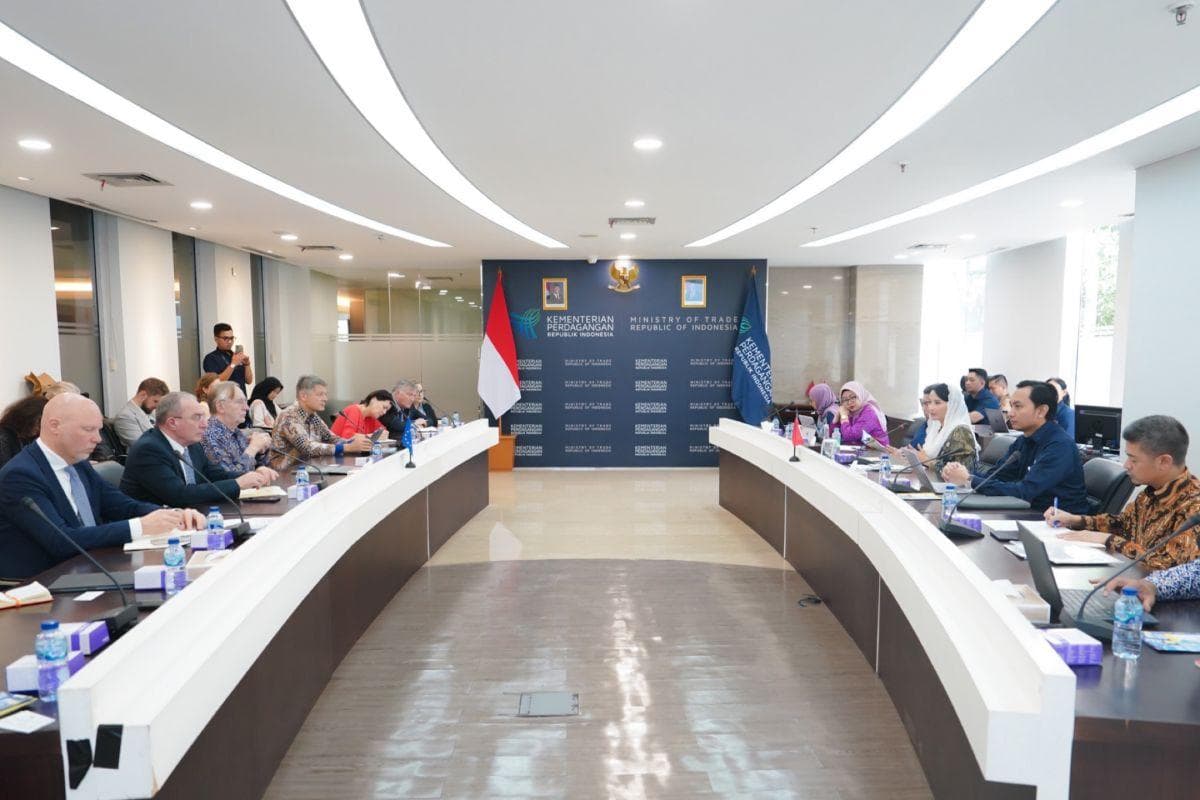
The opening is real. Vietnam ranks among the world’s largest holders of rare earth reserves, with deposits estimated at several million tonnes, and a draft joint statement circulated in January showed Brussels and Hanoi agreeing to deepen cooperation on critical minerals, semiconductors and telecommunications. A resource-rich partner that is neither China nor a distant new frontier is exactly what the European Union’s Critical Raw Materials Act was designed to court. On paper, the two sides want the same thing: a supply chain that does not run through a single dominant supplier.

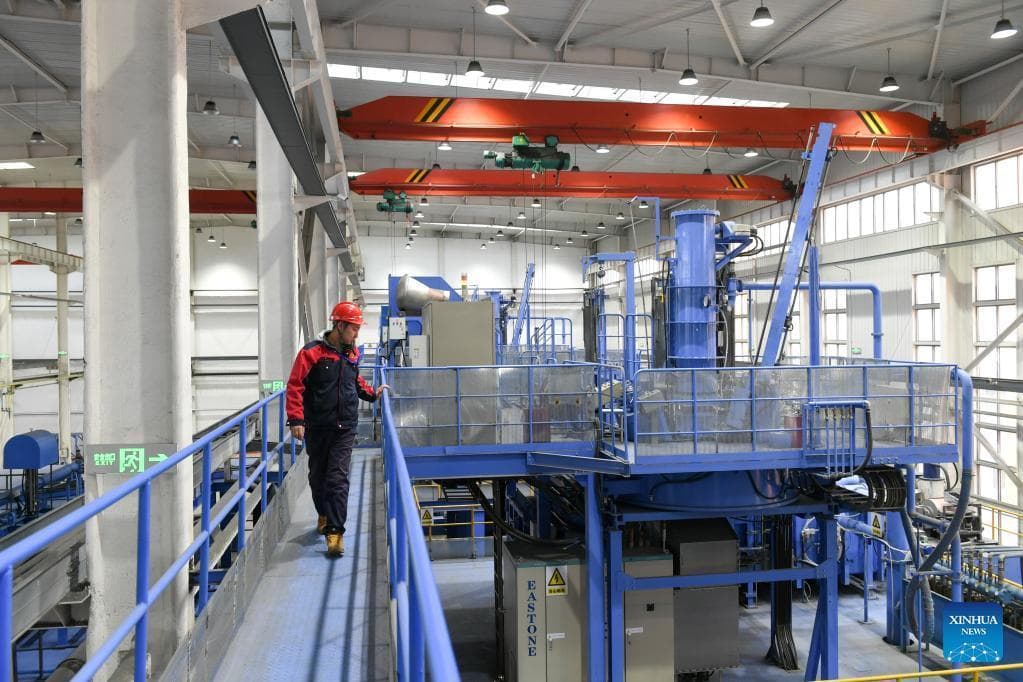
The warning is just as real. Hanoi has made clear it will not play the role of quarry to Europe’s factories. By forbidding raw exports and insisting on local processing, Vietnam is staking a claim to the more valuable stages of the chain, the separation and refining where most of the margin and most of the strategic leverage actually sit. That ambition is understandable, but it collides with reality. Vietnamese facilities today can produce only basic concentrates and cannot yet separate individual elements or reach the purity grades that advanced industry demands. The refining knowledge remains concentrated in the very country both sides are trying to hedge against.

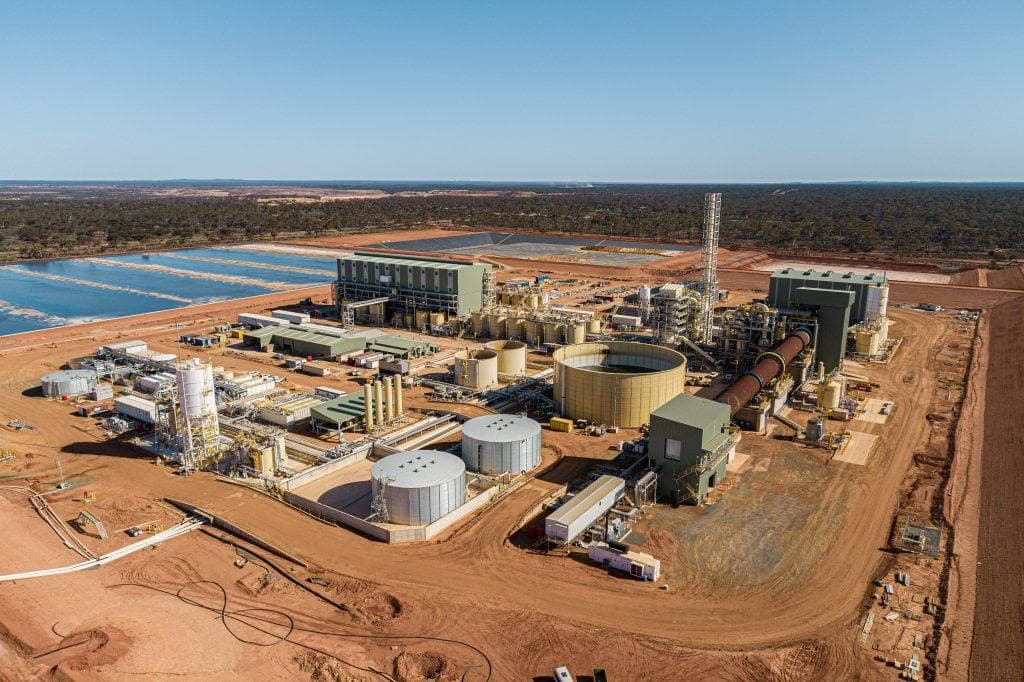
This is where European economic security policy meets its limits. Diversifying away from one dominant supplier is not achieved by signing memoranda; it requires transferring the unglamorous industrial capability to turn ore into usable material. If the EU wants Vietnamese rare earths, it will have to help build the plants, share the processing technology and accept that the resulting value stays largely in Vietnam. That is a more expensive and more patient bargain than simply buying a commodity, and it asks European firms to invest in a partner that has just demonstrated its willingness to change the rules in pursuit of its own industrial climb.

There is also a question of leverage that Brussels would be unwise to ignore. A country that nationalises its rare earths and conditions access on local investment has shown it understands the value of what it holds. Vietnam is not offering charity; it is offering a transaction in which it intends to keep the upper hand wherever it can. For European negotiators schooled by recent experience in the cost of over-reliance, that should read as a familiar lesson rather than a deterrent.

The sober conclusion is that Vietnam can ease Europe’s mineral anxiety but cannot resolve it. The export curbs have turned Hanoi into a gatekeeper rather than a warehouse, and gatekeepers set terms. A genuine partnership is possible, but only if Brussels treats it as a long industrial project measured in years, not a quick fix to be announced and forgotten.