August 9, 2026
LATEST
New EU Gas Market Rules Take Effect With Consumer SafeguardsDeforestation Regulation Holds Its December Deadline Despite CutsDigital Omnibus Delays Europe’s High-Risk AI Deadline to 2027Europe’s Schools Confront a Widening Basic Skills GapRule of Law Report Finds Progress but Trust Still LagsIRIS2 Gains 66 Satellites as Brussels Signs the Rollout DealNature Restoration Plans Come Due as Member States Race a DeadlineECB Rates Hold at 2.25 Percent as Frankfurt Waits on the DataEU Budget Talks Turn to Cohesion as Ireland Takes OverWildfire Response Stretches Europe’s Emergency Fleet ThinCan Europe’s Quantum Plan Match Its Big Ambitions?Armenia Edges West as Moscow’s Grip Slips AwayEurope Inherits the World’s Aid Bill It Cannot Fully PayAir Passenger Rights Get Their First Overhaul in Two DecadesErasmus Opens a 5 Billion Euro Round for Skills and MobilityCeuta Crisis Pushes the EU Toward Faster Migrant ReturnsBulky Parcels Face a Packaging Crackdown From August 12Can Europe Build Its Drone Wall Before 2030 Arrives?Indonesia’s Trade Deal With Europe Nears Its Final SignatureEurope Leans on Beijing to Keep Climate Talks Alive Before AntalyaNew EU Gas Market Rules Take Effect With Consumer SafeguardsDeforestation Regulation Holds Its December Deadline Despite CutsDigital Omnibus Delays Europe’s High-Risk AI Deadline to 2027Europe’s Schools Confront a Widening Basic Skills GapRule of Law Report Finds Progress but Trust Still LagsIRIS2 Gains 66 Satellites as Brussels Signs the Rollout DealNature Restoration Plans Come Due as Member States Race a DeadlineECB Rates Hold at 2.25 Percent as Frankfurt Waits on the DataEU Budget Talks Turn to Cohesion as Ireland Takes OverWildfire Response Stretches Europe’s Emergency Fleet ThinCan Europe’s Quantum Plan Match Its Big Ambitions?Armenia Edges West as Moscow’s Grip Slips AwayEurope Inherits the World’s Aid Bill It Cannot Fully PayAir Passenger Rights Get Their First Overhaul in Two DecadesErasmus Opens a 5 Billion Euro Round for Skills and MobilityCeuta Crisis Pushes the EU Toward Faster Migrant ReturnsBulky Parcels Face a Packaging Crackdown From August 12Can Europe Build Its Drone Wall Before 2030 Arrives?Indonesia’s Trade Deal With Europe Nears Its Final SignatureEurope Leans on Beijing to Keep Climate Talks Alive Before Antalya
August 9, 2026
LATEST
New EU Gas Market Rules Take Effect With Consumer SafeguardsDeforestation Regulation Holds Its December Deadline Despite CutsDigital Omnibus Delays Europe’s High-Risk AI Deadline to 2027Europe’s Schools Confront a Widening Basic Skills GapRule of Law Report Finds Progress but Trust Still LagsIRIS2 Gains 66 Satellites as Brussels Signs the Rollout DealNature Restoration Plans Come Due as Member States Race a DeadlineECB Rates Hold at 2.25 Percent as Frankfurt Waits on the DataEU Budget Talks Turn to Cohesion as Ireland Takes OverWildfire Response Stretches Europe’s Emergency Fleet ThinCan Europe’s Quantum Plan Match Its Big Ambitions?Armenia Edges West as Moscow’s Grip Slips AwayEurope Inherits the World’s Aid Bill It Cannot Fully PayAir Passenger Rights Get Their First Overhaul in Two DecadesErasmus Opens a 5 Billion Euro Round for Skills and MobilityCeuta Crisis Pushes the EU Toward Faster Migrant ReturnsBulky Parcels Face a Packaging Crackdown From August 12Can Europe Build Its Drone Wall Before 2030 Arrives?Indonesia’s Trade Deal With Europe Nears Its Final SignatureEurope Leans on Beijing to Keep Climate Talks Alive Before AntalyaNew EU Gas Market Rules Take Effect With Consumer SafeguardsDeforestation Regulation Holds Its December Deadline Despite CutsDigital Omnibus Delays Europe’s High-Risk AI Deadline to 2027Europe’s Schools Confront a Widening Basic Skills GapRule of Law Report Finds Progress but Trust Still LagsIRIS2 Gains 66 Satellites as Brussels Signs the Rollout DealNature Restoration Plans Come Due as Member States Race a DeadlineECB Rates Hold at 2.25 Percent as Frankfurt Waits on the DataEU Budget Talks Turn to Cohesion as Ireland Takes OverWildfire Response Stretches Europe’s Emergency Fleet ThinCan Europe’s Quantum Plan Match Its Big Ambitions?Armenia Edges West as Moscow’s Grip Slips AwayEurope Inherits the World’s Aid Bill It Cannot Fully PayAir Passenger Rights Get Their First Overhaul in Two DecadesErasmus Opens a 5 Billion Euro Round for Skills and MobilityCeuta Crisis Pushes the EU Toward Faster Migrant ReturnsBulky Parcels Face a Packaging Crackdown From August 12Can Europe Build Its Drone Wall Before 2030 Arrives?Indonesia’s Trade Deal With Europe Nears Its Final SignatureEurope Leans on Beijing to Keep Climate Talks Alive Before Antalya

How Far Will Brussels And Seoul Take Their Defence Pact

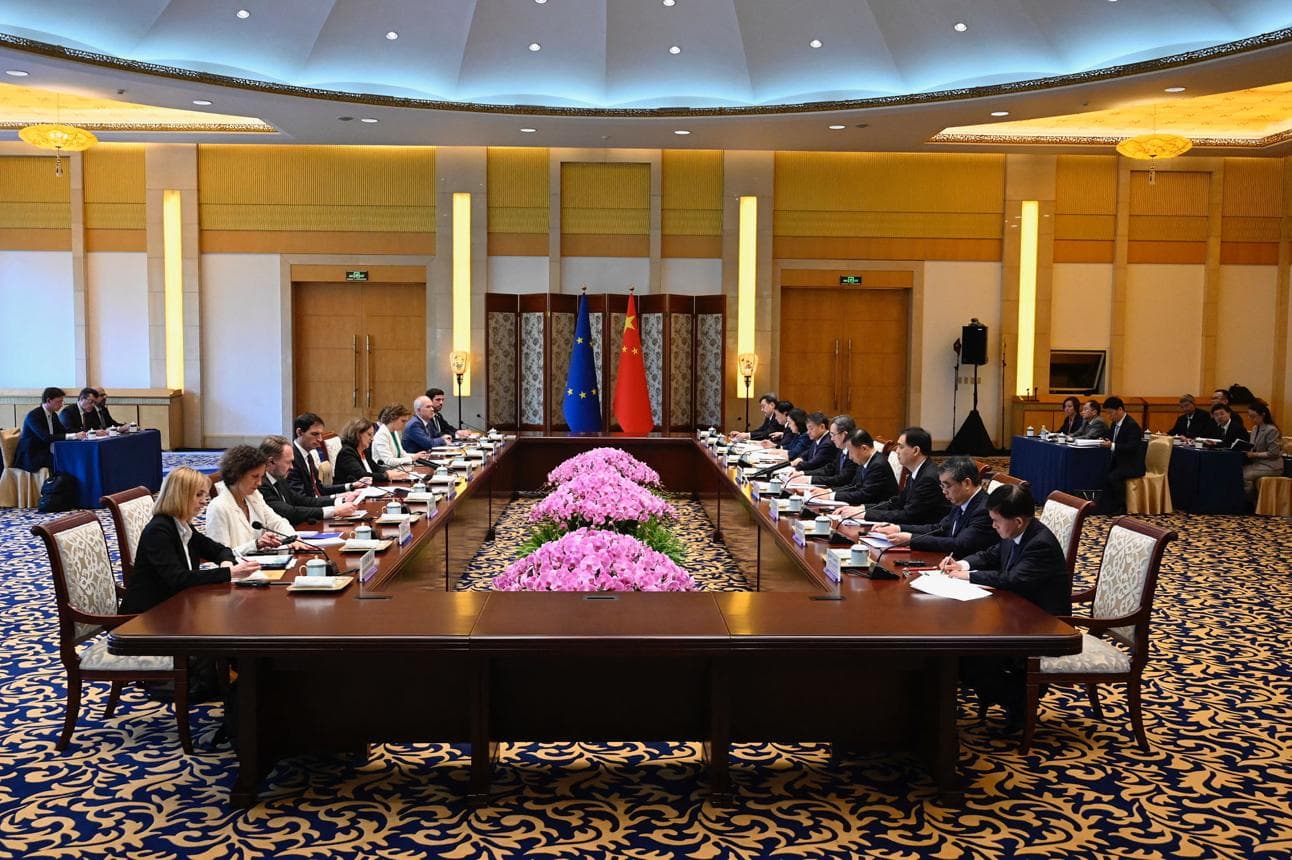
Seoul: When European and South Korean officials sat down here on 15 May for their second Security and Defence Dialogue, the meeting drew little public notice. Yet the steady cadence of these encounters, the first having followed the partnership signed in November 2024, points to one of the more consequential and least heralded shifts in Europe’s external posture: a deliberate courtship of a middle power on the far side of Eurasia.

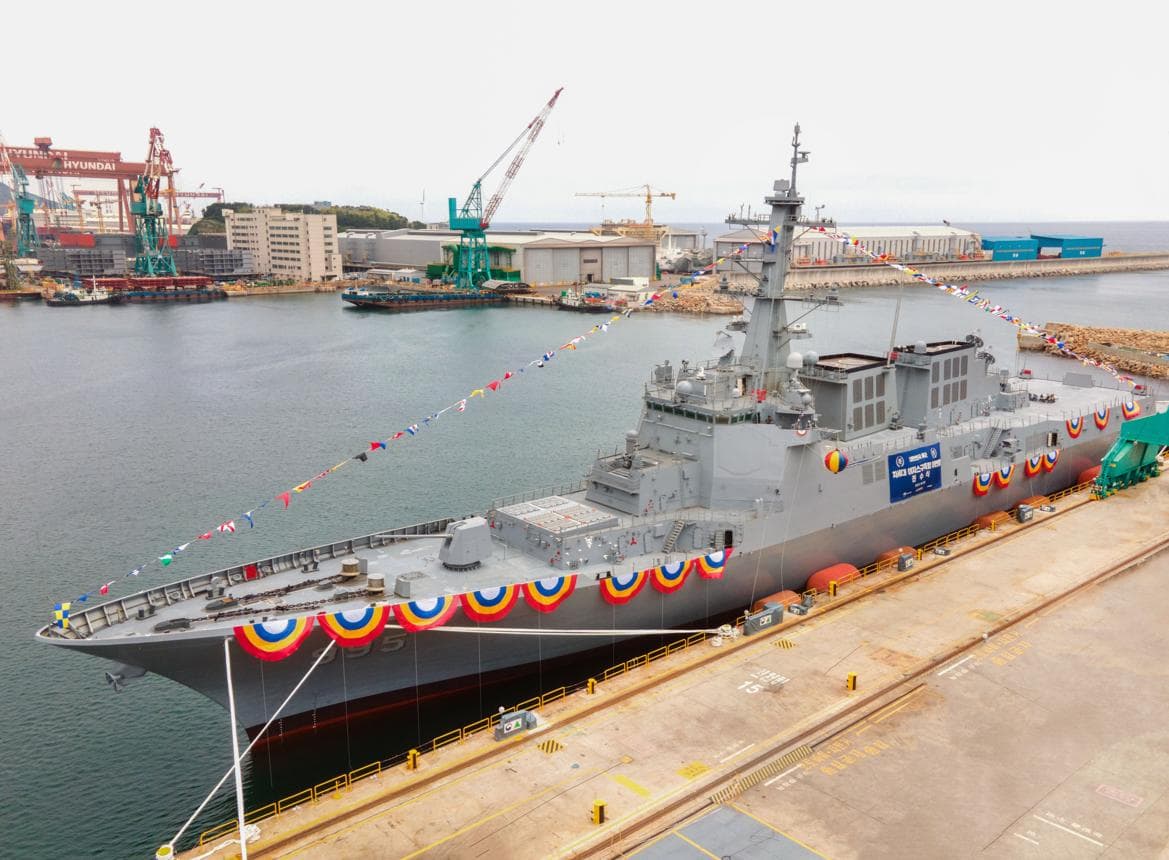
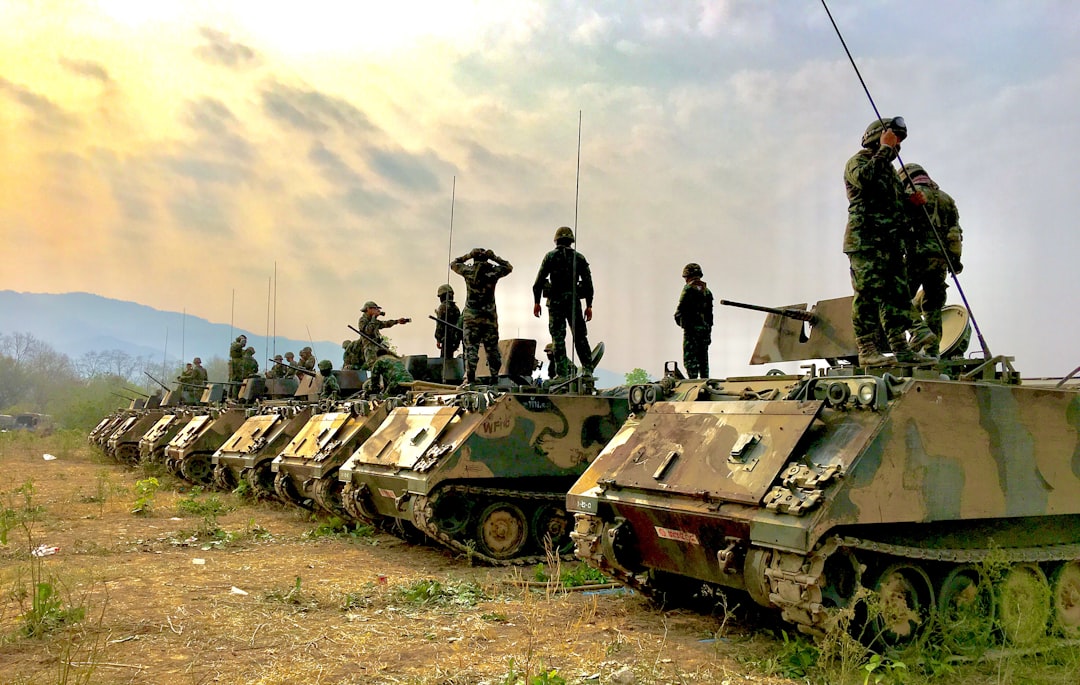
The logic is not sentimental. Europe is rearming under pressure, and it is discovering that South Korea is one of the few democracies able to produce serious quantities of modern hardware quickly and at a price European treasuries can stomach. Poland’s contracts with Seoul, including roughly 180 K2 tanks, more than 200 K9 howitzers and dozens of FA-50 light fighters, have already made South Korea Warsaw’s second-largest arms supplier after the United States. That commercial fact has done more to bind the two sides than any communiqué.

The formal partnership reaches well beyond procurement. The two sides have agreed to cooperate on maritime and space security, countering hybrid threats, cyber defence, foreign information manipulation, counter-terrorism and non-proliferation. The May dialogue, co-chaired on the European side by the External Action Service’s Benedikta von Seherr-Thoss, was less about signing new commitments than about turning an ambitious framework into working habits between officials who, until recently, rarely spoke.

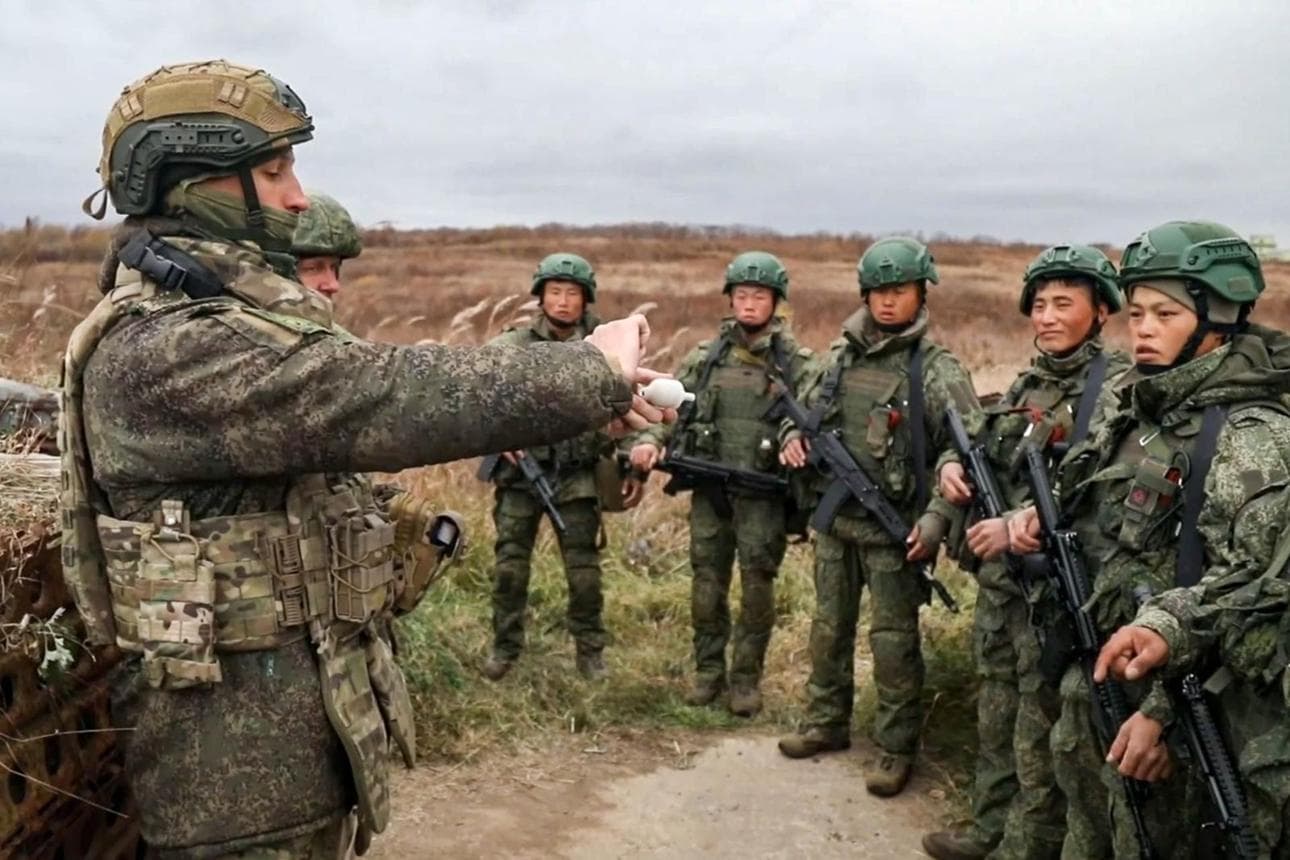
What makes the relationship strategically interesting is the way it links two theatres. Seoul watches North Korean troops fighting alongside Russian forces in Ukraine and concludes that European and Asian security are no longer separable. European capitals, watching the same battlefield, reach the same conclusion from the opposite end. A partnership that began as a hedge against supply shortages is acquiring the contours of a genuine strategic alignment between actors who share threats but not a neighbourhood.

There are limits worth naming. South Korea guards its room for manoeuvre with China, its largest trading partner, and has no appetite to be enrolled in a European containment project. Its defence exporters compete with European firms as much as they supply them, and friction over technology transfer and local production is already visible in the Polish deals. Brussels, too, must manage the awkwardness of deepening defence ties with a partner while its own member states bicker over how fast and how much to spend.

Still, the direction is clear. Europe has spent two years discovering that the partners able to help it rearm are not only in Washington. South Korea, with its industrial depth and its hard-eyed reading of the Russian-North Korean axis, is emerging as a partner of choice rather than convenience. The question the Seoul dialogue leaves open is how far each side is willing to institutionalise that alignment before the next crisis forces the pace.