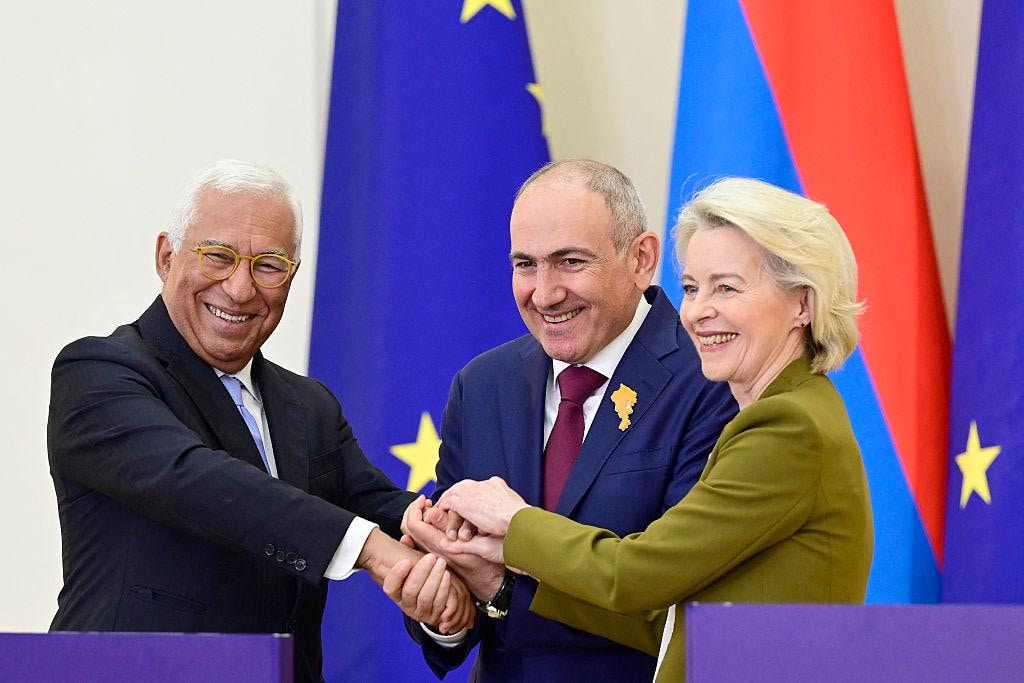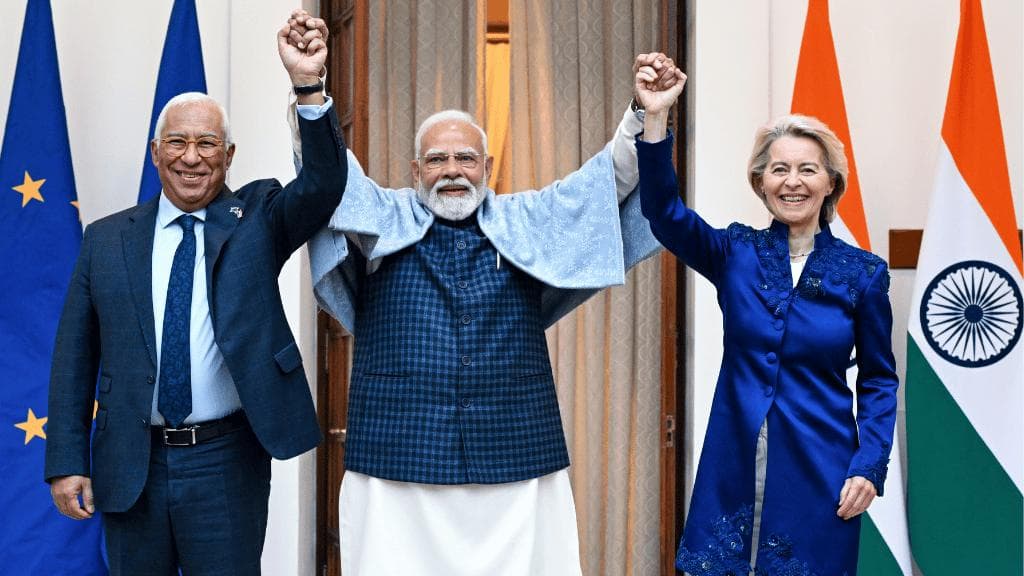
New Delhi: The maturing of the EU-India Trade and Technology Council into an operational rather than merely symbolic instrument has shifted in the past four months from cautious diplomatic prediction to documented institutional reality. The 16th EU-India Summit held in New Delhi at the start of 2026, the launch of the EU-India Security and Defence Partnership in January, the provisional closure of the Free Trade Agreement, and the recent reaffirmation by EU Ambassador Hervé Delphin that the partnership has reached a totally new strategic level together describe a relationship that has moved well beyond the rhetoric of past summits. The TTC’s three working groups — strategic technologies and digital governance, green and clean energy technologies, and trade, investment and resilient value chains — now carry deliverables tracked against published timelines, and the political weight that Brussels attaches to the Indian relationship has begun to register in the budgetary architecture of the next Multiannual Financial Framework.
The strategic logic is straightforward, even if the implementation work is not. Europe’s exposure to single-source supply chains in critical raw materials, advanced semiconductors, and clean-tech components has been the dominant constraint on its industrial-policy ambitions through the 2020s. India, with its scale, its rapidly expanding manufacturing base, its democratic institutional architecture, and its strategic positioning between the major Pacific powers, offers a credible diversification partner in a way that few other economies do. The TTC’s working groups are structured to operationalise that diversification. Semiconductor design and packaging, the rare-earth value chain, hydrogen and battery technology, AI governance interoperability, and digital infrastructure connecting the Indo-Pacific to Europe each map onto a discrete set of Indian institutional counterparts.
A second analytical layer concerns the security dimension. The Security and Defence Partnership signed in January is the first such bilateral instrument the EU has concluded with a major Asian power other than Japan. Its substantive content covers maritime domain awareness in the Indian Ocean, joint exercises, cyber-defence cooperation, defence industrial dialogue, and counter-terrorism intelligence sharing. The interaction between the security partnership and the TTC’s strategic technologies pillar will be the most consequential testing ground for the relationship in 2026 and 2027. Dual-use technology cooperation, export-control alignment on advanced chips, and joint research in quantum and AI all sit at that intersection. The political question is whether the velocity can be sustained once the implementation phase exposes inevitable frictions over data governance, market access for European tech firms, and India’s pursuit of strategic autonomy in its own technological choices.
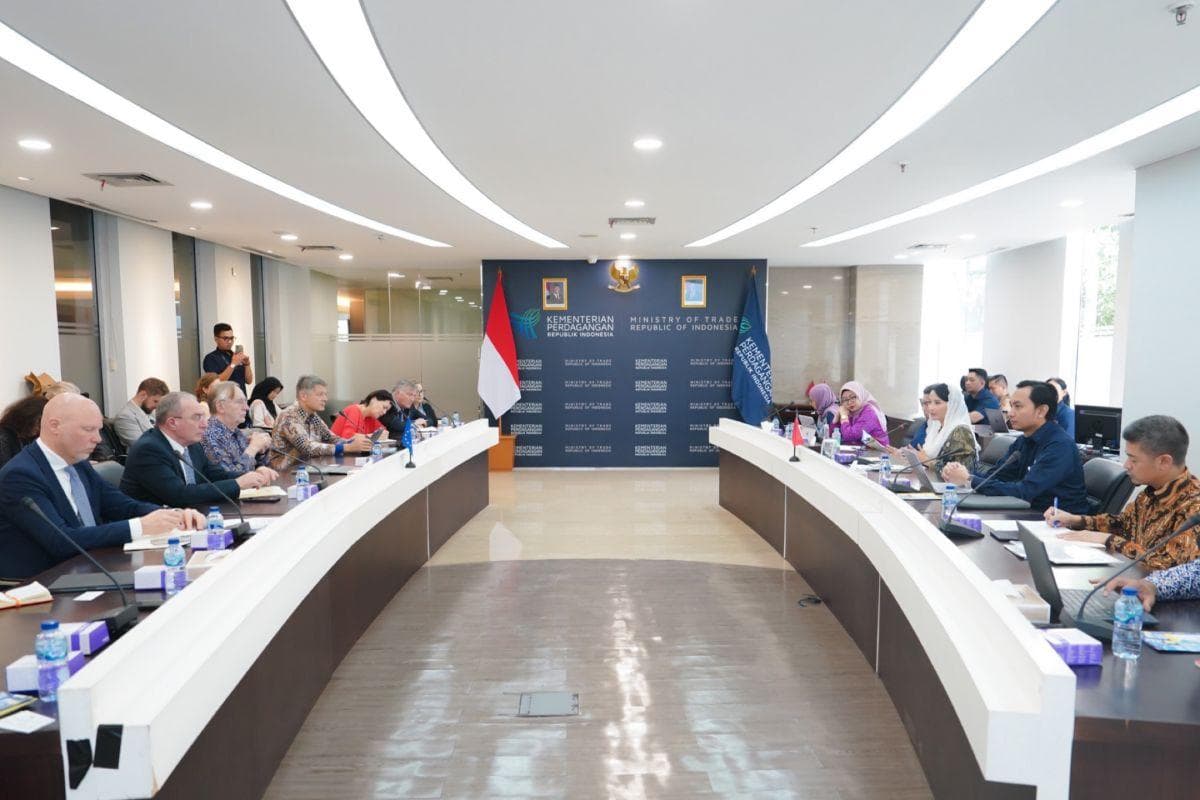
The trade pillar carries its own asymmetries. The bilateral Free Trade Agreement, decades in gestation, was politically completed but its provisional application and full ratification will play out across 2026. Tariff schedules favour European goods in some segments, Indian goods in others, and the geographical-indications and digital-services chapters were resolved through compromises that European producers in wine, dairy, and audiovisual industries continue to dispute. The Council will need to manage these constituencies during ratification while preventing the agreement from being relitigated. India, for its part, will press for predictability on the Carbon Border Adjustment Mechanism and on the Foreign Subsidies Regulation, both of which Indian exporters experience as constraints on access to the single market. The TTC’s trade and resilient value chains working group will be the principal forum for surfacing these tensions.
The opportunity costs of inaction are sharper than they were a decade ago. Chinese industrial overcapacity, the American administration’s reduced commitment to multilateral trade architecture, and the rolling reorientation of global supply chains have collectively narrowed the window in which European preferences can shape the Indo-Pacific rule set. India’s positioning, neither aligned with Washington’s confrontational posture nor with Beijing’s economic statecraft, gives Brussels an unusual opening to write the operating manual of a non-Atlantic trade and technology relationship that holds for both sides. The TTC is the institutional vehicle for that ambition. Its productivity over the next eighteen months will determine whether the 16th EU-India Summit is remembered as a hinge moment or as another diplomatic occasion overtaken by the pace of geopolitical change.