August 9, 2026
LATEST
New EU Gas Market Rules Take Effect With Consumer SafeguardsDeforestation Regulation Holds Its December Deadline Despite CutsDigital Omnibus Delays Europe’s High-Risk AI Deadline to 2027Europe’s Schools Confront a Widening Basic Skills GapRule of Law Report Finds Progress but Trust Still LagsIRIS2 Gains 66 Satellites as Brussels Signs the Rollout DealNature Restoration Plans Come Due as Member States Race a DeadlineECB Rates Hold at 2.25 Percent as Frankfurt Waits on the DataEU Budget Talks Turn to Cohesion as Ireland Takes OverWildfire Response Stretches Europe’s Emergency Fleet ThinCan Europe’s Quantum Plan Match Its Big Ambitions?Armenia Edges West as Moscow’s Grip Slips AwayEurope Inherits the World’s Aid Bill It Cannot Fully PayAir Passenger Rights Get Their First Overhaul in Two DecadesErasmus Opens a 5 Billion Euro Round for Skills and MobilityCeuta Crisis Pushes the EU Toward Faster Migrant ReturnsBulky Parcels Face a Packaging Crackdown From August 12Can Europe Build Its Drone Wall Before 2030 Arrives?Indonesia’s Trade Deal With Europe Nears Its Final SignatureEurope Leans on Beijing to Keep Climate Talks Alive Before AntalyaNew EU Gas Market Rules Take Effect With Consumer SafeguardsDeforestation Regulation Holds Its December Deadline Despite CutsDigital Omnibus Delays Europe’s High-Risk AI Deadline to 2027Europe’s Schools Confront a Widening Basic Skills GapRule of Law Report Finds Progress but Trust Still LagsIRIS2 Gains 66 Satellites as Brussels Signs the Rollout DealNature Restoration Plans Come Due as Member States Race a DeadlineECB Rates Hold at 2.25 Percent as Frankfurt Waits on the DataEU Budget Talks Turn to Cohesion as Ireland Takes OverWildfire Response Stretches Europe’s Emergency Fleet ThinCan Europe’s Quantum Plan Match Its Big Ambitions?Armenia Edges West as Moscow’s Grip Slips AwayEurope Inherits the World’s Aid Bill It Cannot Fully PayAir Passenger Rights Get Their First Overhaul in Two DecadesErasmus Opens a 5 Billion Euro Round for Skills and MobilityCeuta Crisis Pushes the EU Toward Faster Migrant ReturnsBulky Parcels Face a Packaging Crackdown From August 12Can Europe Build Its Drone Wall Before 2030 Arrives?Indonesia’s Trade Deal With Europe Nears Its Final SignatureEurope Leans on Beijing to Keep Climate Talks Alive Before Antalya
August 9, 2026
LATEST
New EU Gas Market Rules Take Effect With Consumer SafeguardsDeforestation Regulation Holds Its December Deadline Despite CutsDigital Omnibus Delays Europe’s High-Risk AI Deadline to 2027Europe’s Schools Confront a Widening Basic Skills GapRule of Law Report Finds Progress but Trust Still LagsIRIS2 Gains 66 Satellites as Brussels Signs the Rollout DealNature Restoration Plans Come Due as Member States Race a DeadlineECB Rates Hold at 2.25 Percent as Frankfurt Waits on the DataEU Budget Talks Turn to Cohesion as Ireland Takes OverWildfire Response Stretches Europe’s Emergency Fleet ThinCan Europe’s Quantum Plan Match Its Big Ambitions?Armenia Edges West as Moscow’s Grip Slips AwayEurope Inherits the World’s Aid Bill It Cannot Fully PayAir Passenger Rights Get Their First Overhaul in Two DecadesErasmus Opens a 5 Billion Euro Round for Skills and MobilityCeuta Crisis Pushes the EU Toward Faster Migrant ReturnsBulky Parcels Face a Packaging Crackdown From August 12Can Europe Build Its Drone Wall Before 2030 Arrives?Indonesia’s Trade Deal With Europe Nears Its Final SignatureEurope Leans on Beijing to Keep Climate Talks Alive Before AntalyaNew EU Gas Market Rules Take Effect With Consumer SafeguardsDeforestation Regulation Holds Its December Deadline Despite CutsDigital Omnibus Delays Europe’s High-Risk AI Deadline to 2027Europe’s Schools Confront a Widening Basic Skills GapRule of Law Report Finds Progress but Trust Still LagsIRIS2 Gains 66 Satellites as Brussels Signs the Rollout DealNature Restoration Plans Come Due as Member States Race a DeadlineECB Rates Hold at 2.25 Percent as Frankfurt Waits on the DataEU Budget Talks Turn to Cohesion as Ireland Takes OverWildfire Response Stretches Europe’s Emergency Fleet ThinCan Europe’s Quantum Plan Match Its Big Ambitions?Armenia Edges West as Moscow’s Grip Slips AwayEurope Inherits the World’s Aid Bill It Cannot Fully PayAir Passenger Rights Get Their First Overhaul in Two DecadesErasmus Opens a 5 Billion Euro Round for Skills and MobilityCeuta Crisis Pushes the EU Toward Faster Migrant ReturnsBulky Parcels Face a Packaging Crackdown From August 12Can Europe Build Its Drone Wall Before 2030 Arrives?Indonesia’s Trade Deal With Europe Nears Its Final SignatureEurope Leans on Beijing to Keep Climate Talks Alive Before Antalya

Indonesia Deal Gives Europe a Foothold Across Southeast Asia

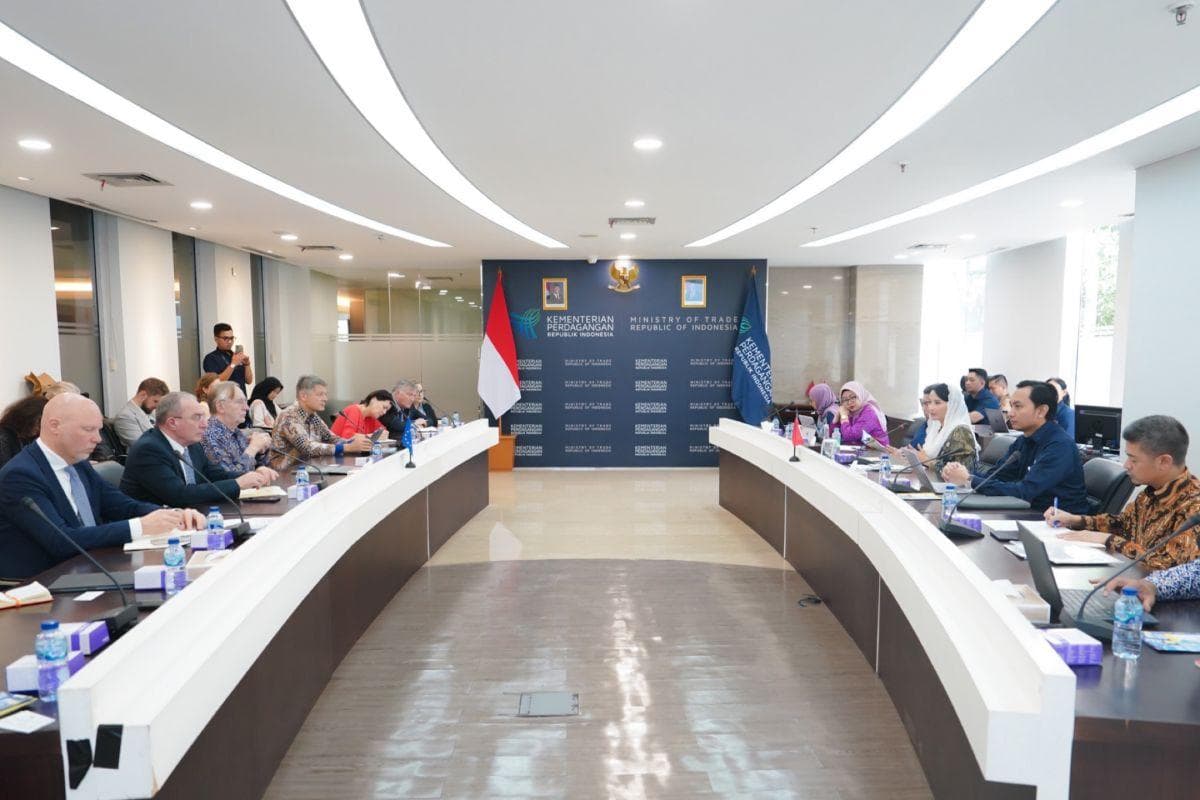
Jakarta: For a bloc that has spent the past two years learning how exposed it is to distant supply chains, the trade pact the European Union is preparing to sign with Indonesia is about far more than tariffs. When the Commission presented the completed agreements to the Council on 29 June, it framed the Comprehensive Economic Partnership Agreement as a strategic opening into the most populous corner of Southeast Asia, a market of more than 280 million people that Europe has long courted and rarely reached.

The deal itself, whose negotiations concluded in September 2025 after nearly a decade of talks, is unusually ambitious on paper. It would liberalise more than 98 percent of tariff lines and close to the entire value of trade between the two economies. Indonesian duties on European cars, machinery, chemicals and pharmaceuticals, some of them punishingly high, would be phased out over three to five years, while European markets would open to Indonesian palm oil, textiles, footwear and a long list of agri-food exports. For European manufacturers squeezed by softening demand at home, the prospect of easier access to a fast-growing consumer economy is a rare piece of good news.

Yet the deeper logic is geopolitical. Once ratified, Indonesia would become only the third member of the Association of Southeast Asian Nations to hold a free trade agreement with the Union, after Vietnam and Singapore, with Thailand, the Philippines and Malaysia watching to see whether they should follow. Each new deal chips away at Europe’s dependence on a single dominant trading partner and gives Brussels a more credible claim to be a serious economic actor in the Indo-Pacific rather than a distant regulator.

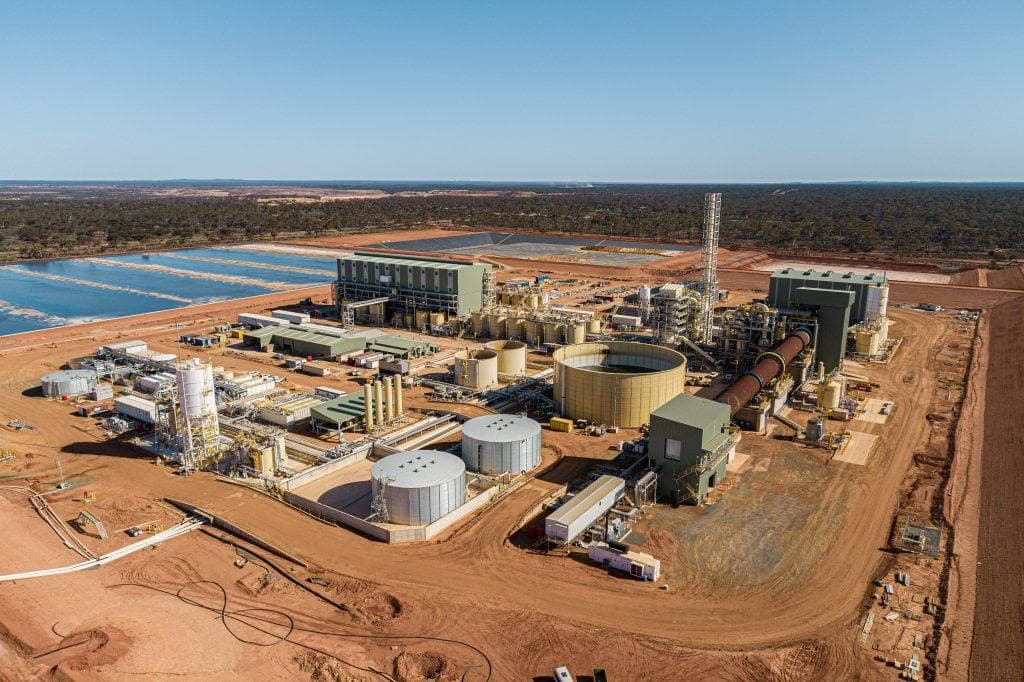
Indonesia’s mineral wealth sharpens the appeal. The archipelago sits on some of the world’s largest nickel reserves, the backbone of the battery industry that Europe’s electric-vehicle ambitions depend on. A trade framework that binds Jakarta closer to European standards and investment offers a way to diversify sourcing away from Chinese-controlled processing, a priority that has moved from the trade ministry to the heart of the Union’s economic security strategy.

The path from signature to reality is not smooth. The agreement must still clear the European Parliament and Indonesia’s own legislature, a process that could stretch well into 2027 before the pact enters into force. Palm oil remains the most combustible issue. Indonesian producers have long resented European deforestation rules, and the Union’s own regulation on imported deforestation risk has strained relations even as negotiators sealed the broader deal. Reconciling market access with environmental conditionality will test both sides’ patience during ratification.

There is also the question of whether Europe can convert a signed document into genuine influence. Trade agreements open doors, but the follow-through of investment, infrastructure and diplomatic attention through instruments such as the Global Gateway will determine whether the partnership deepens or drifts. Southeast Asian governments have grown adept at balancing suitors, and Jakarta will expect Europe to compete for its attention rather than assume it.

For now, the mood in Brussels is one of quiet satisfaction that a long and often frustrating negotiation has finally borne fruit. In a year defined by defensive trade measures and anxious talk of dependency, a genuine expansion of Europe’s commercial reach counts as a strategic gain. The harder work of turning a foothold into a lasting presence begins the moment the ink dries.