August 9, 2026
LATEST
New EU Gas Market Rules Take Effect With Consumer SafeguardsDeforestation Regulation Holds Its December Deadline Despite CutsDigital Omnibus Delays Europe’s High-Risk AI Deadline to 2027Europe’s Schools Confront a Widening Basic Skills GapRule of Law Report Finds Progress but Trust Still LagsIRIS2 Gains 66 Satellites as Brussels Signs the Rollout DealNature Restoration Plans Come Due as Member States Race a DeadlineECB Rates Hold at 2.25 Percent as Frankfurt Waits on the DataEU Budget Talks Turn to Cohesion as Ireland Takes OverWildfire Response Stretches Europe’s Emergency Fleet ThinCan Europe’s Quantum Plan Match Its Big Ambitions?Armenia Edges West as Moscow’s Grip Slips AwayEurope Inherits the World’s Aid Bill It Cannot Fully PayAir Passenger Rights Get Their First Overhaul in Two DecadesErasmus Opens a 5 Billion Euro Round for Skills and MobilityCeuta Crisis Pushes the EU Toward Faster Migrant ReturnsBulky Parcels Face a Packaging Crackdown From August 12Can Europe Build Its Drone Wall Before 2030 Arrives?Indonesia’s Trade Deal With Europe Nears Its Final SignatureEurope Leans on Beijing to Keep Climate Talks Alive Before AntalyaNew EU Gas Market Rules Take Effect With Consumer SafeguardsDeforestation Regulation Holds Its December Deadline Despite CutsDigital Omnibus Delays Europe’s High-Risk AI Deadline to 2027Europe’s Schools Confront a Widening Basic Skills GapRule of Law Report Finds Progress but Trust Still LagsIRIS2 Gains 66 Satellites as Brussels Signs the Rollout DealNature Restoration Plans Come Due as Member States Race a DeadlineECB Rates Hold at 2.25 Percent as Frankfurt Waits on the DataEU Budget Talks Turn to Cohesion as Ireland Takes OverWildfire Response Stretches Europe’s Emergency Fleet ThinCan Europe’s Quantum Plan Match Its Big Ambitions?Armenia Edges West as Moscow’s Grip Slips AwayEurope Inherits the World’s Aid Bill It Cannot Fully PayAir Passenger Rights Get Their First Overhaul in Two DecadesErasmus Opens a 5 Billion Euro Round for Skills and MobilityCeuta Crisis Pushes the EU Toward Faster Migrant ReturnsBulky Parcels Face a Packaging Crackdown From August 12Can Europe Build Its Drone Wall Before 2030 Arrives?Indonesia’s Trade Deal With Europe Nears Its Final SignatureEurope Leans on Beijing to Keep Climate Talks Alive Before Antalya
August 9, 2026
LATEST
New EU Gas Market Rules Take Effect With Consumer SafeguardsDeforestation Regulation Holds Its December Deadline Despite CutsDigital Omnibus Delays Europe’s High-Risk AI Deadline to 2027Europe’s Schools Confront a Widening Basic Skills GapRule of Law Report Finds Progress but Trust Still LagsIRIS2 Gains 66 Satellites as Brussels Signs the Rollout DealNature Restoration Plans Come Due as Member States Race a DeadlineECB Rates Hold at 2.25 Percent as Frankfurt Waits on the DataEU Budget Talks Turn to Cohesion as Ireland Takes OverWildfire Response Stretches Europe’s Emergency Fleet ThinCan Europe’s Quantum Plan Match Its Big Ambitions?Armenia Edges West as Moscow’s Grip Slips AwayEurope Inherits the World’s Aid Bill It Cannot Fully PayAir Passenger Rights Get Their First Overhaul in Two DecadesErasmus Opens a 5 Billion Euro Round for Skills and MobilityCeuta Crisis Pushes the EU Toward Faster Migrant ReturnsBulky Parcels Face a Packaging Crackdown From August 12Can Europe Build Its Drone Wall Before 2030 Arrives?Indonesia’s Trade Deal With Europe Nears Its Final SignatureEurope Leans on Beijing to Keep Climate Talks Alive Before AntalyaNew EU Gas Market Rules Take Effect With Consumer SafeguardsDeforestation Regulation Holds Its December Deadline Despite CutsDigital Omnibus Delays Europe’s High-Risk AI Deadline to 2027Europe’s Schools Confront a Widening Basic Skills GapRule of Law Report Finds Progress but Trust Still LagsIRIS2 Gains 66 Satellites as Brussels Signs the Rollout DealNature Restoration Plans Come Due as Member States Race a DeadlineECB Rates Hold at 2.25 Percent as Frankfurt Waits on the DataEU Budget Talks Turn to Cohesion as Ireland Takes OverWildfire Response Stretches Europe’s Emergency Fleet ThinCan Europe’s Quantum Plan Match Its Big Ambitions?Armenia Edges West as Moscow’s Grip Slips AwayEurope Inherits the World’s Aid Bill It Cannot Fully PayAir Passenger Rights Get Their First Overhaul in Two DecadesErasmus Opens a 5 Billion Euro Round for Skills and MobilityCeuta Crisis Pushes the EU Toward Faster Migrant ReturnsBulky Parcels Face a Packaging Crackdown From August 12Can Europe Build Its Drone Wall Before 2030 Arrives?Indonesia’s Trade Deal With Europe Nears Its Final SignatureEurope Leans on Beijing to Keep Climate Talks Alive Before Antalya

Indonesia’s Nickel Wins Europe Over After Years of Hesitation

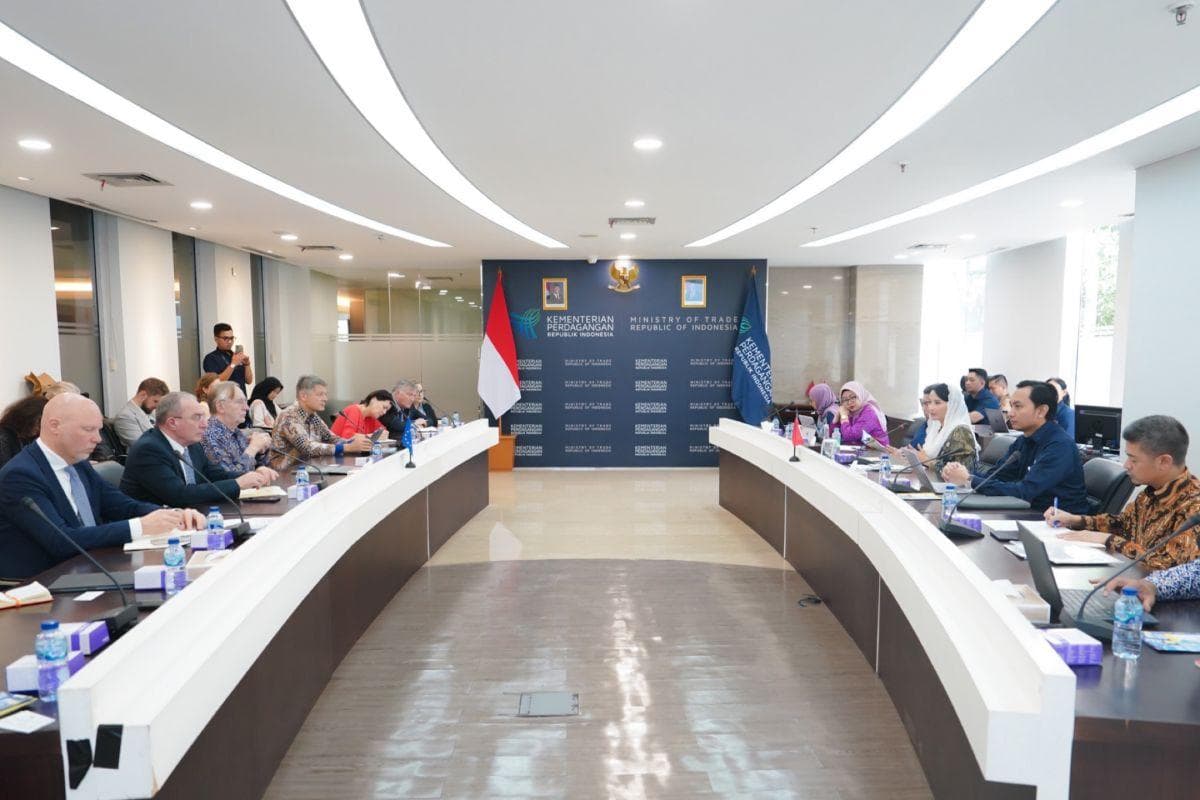
Jakarta: For most of the past decade the Comprehensive Economic Partnership Agreement between the European Union and Indonesia looked like a negotiation engineered never to conclude. When the European Commission handed the finished texts to the Council on 29 June, it finally closed a file that had outlasted several Indonesian trade ministers and two Commission mandates. The agreement still needs consent from the European Parliament and ratification in Jakarta and among member states before it can take effect, a sequence unlikely to be complete before the very end of 2026. Yet the political meaning of the moment is already unmistakable.

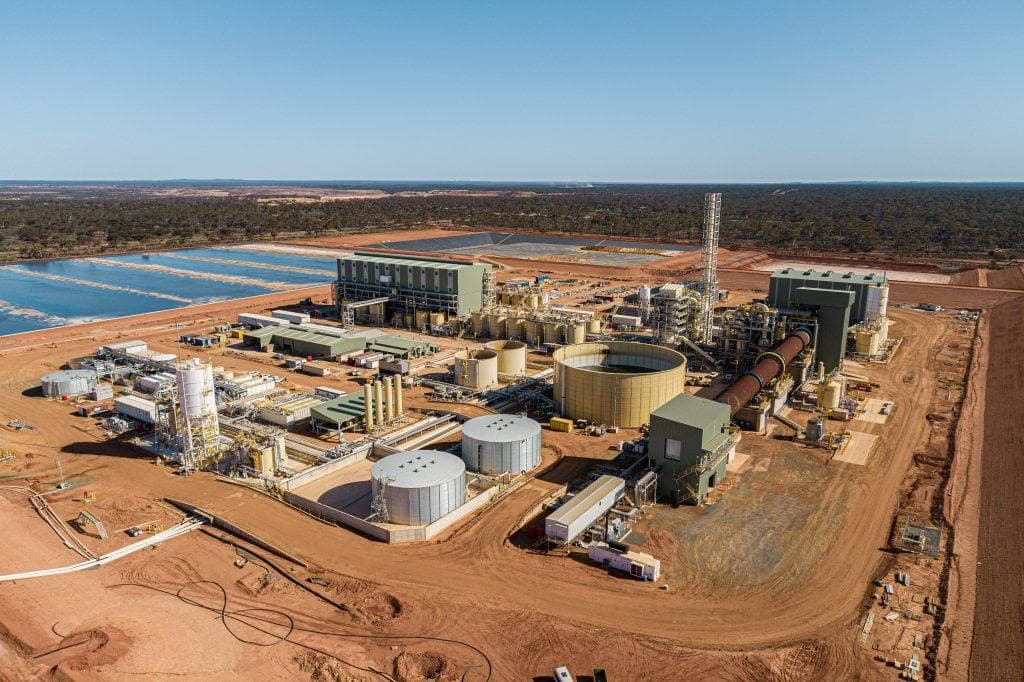
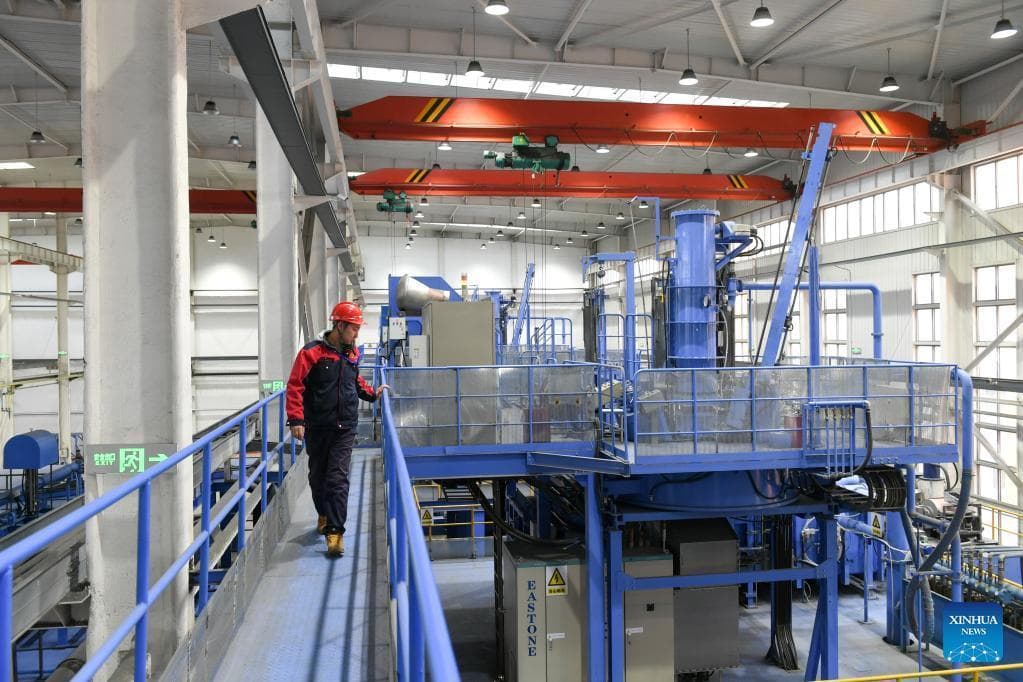
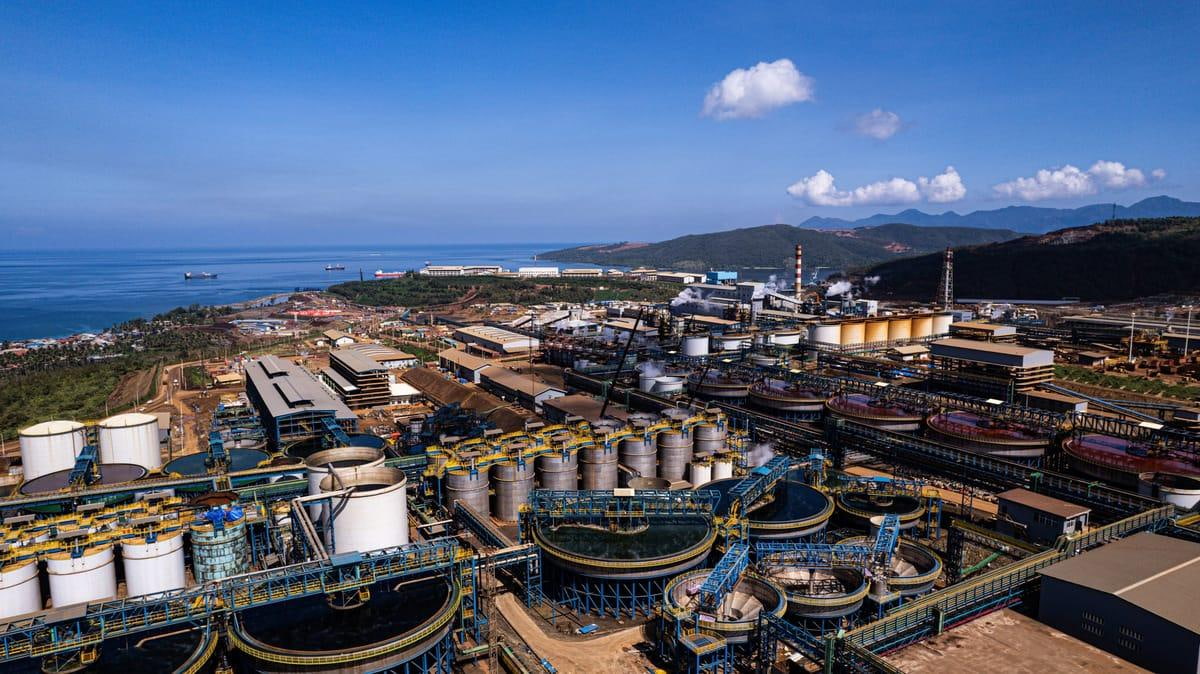
What kept the talks alive for nine years is precisely what makes them matter now. Indonesia sits on the world’s largest reserves of nickel, the metal at the centre of the battery supply chain, and it has spent years banning the export of raw ore to force foreign firms to build smelters on Indonesian soil. That policy, wildly successful in industrial terms, collided head-on with Brussels’s appetite for cheap, unrestricted access to raw materials. The compromise now on paper does not abolish that tension so much as convert it into a managed relationship: predictable sourcing for European industry in exchange for European capital and technology flowing into Indonesian processing.

The strategic logic is easy to read. Europe is trying to assemble a portfolio of raw-material partners so that no single supplier, and above all not China, can hold its clean-energy transition hostage. Indonesia offers scale that few others can match. For Jakarta, the calculation is a mirror image: tying its downstream ambitions to the European market reduces its own dependence on Chinese offtake and Chinese smelting investment, which today dominate its nickel sector. A trade deal framed in the language of tariffs is, underneath, an argument about who controls the middle of the battery supply chain.

None of this arrives without friction. European lawmakers who must ratify the text remain uneasy about deforestation linked to palm oil and about labour conditions in Indonesian processing zones, and the Union’s own deforestation regulation has been a running sore in the relationship. Indonesian officials, for their part, bristle at what they see as European rules written to protect European producers under an environmental banner. Whether the sustainability chapters of the agreement can hold both concerns at once, rather than papering over them, will determine how the deal is judged once it is actually in force.

The honest verdict is that the signature settles the easy part. Ratification votes, the deforestation dispute and the practical work of aligning standards all lie ahead, and any of them could slow the timetable further. But the direction of travel is now fixed. A bloc that spent years treating Indonesia as a difficult interlocutor has decided that difficulty is preferable to dependence. If the agreement clears its remaining hurdles, it will stand as one of the clearest examples yet of Europe buying strategic insurance through trade, one contested metal at a time.