Tokyo: The Security and Defence Partnership that the European Union and Japan signed in November 2024 was, at the time, more a statement of intent than a programme of action. Eighteen months later it is beginning to acquire substance, and the momentum is coming less from Brussels than from a decisive shift in Japanese politics. The landslide that handed Prime Minister Sanae Takaichi a commanding majority in the February 2026 snap election has given Tokyo both the mandate and the parliamentary arithmetic to accelerate a defence build-up that European capitals are now keen to plug into.
The partnership’s text reads like a catalogue of modern security concerns, spanning maritime security, cyber defence, hybrid threats, space, crisis management and defence-industrial exchange. Until recently much of it remained aspirational. The most concrete strand has been at sea, where an administrative arrangement links the EU’s Operation Atalanta with Japan’s Self-Defence Forces, opening the way to joint exercises, port calls and coordinated patrols in waters where European and Japanese commercial interests increasingly overlap. For a bloc that talks constantly about the Indo-Pacific yet struggles to sustain a permanent presence there, a capable and like-minded partner with a standing regional fleet is more than symbolically useful.
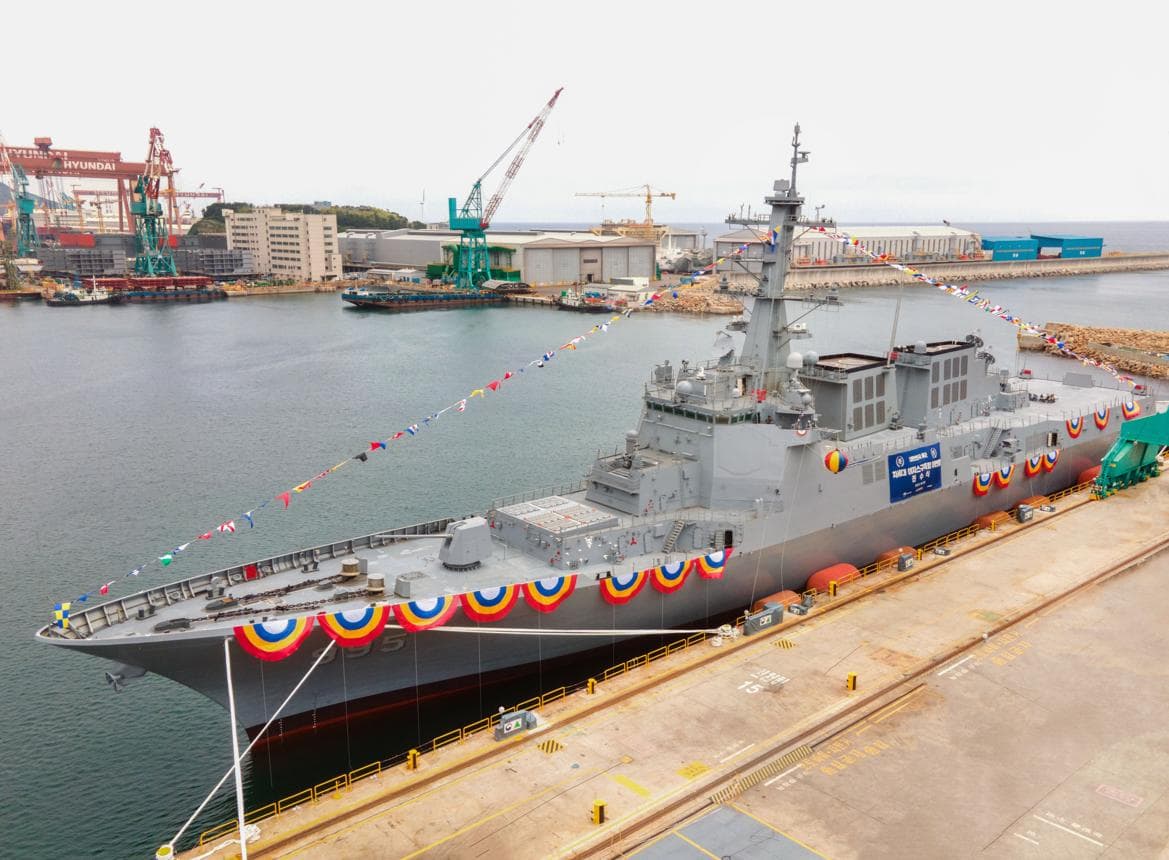
What changes the calculation now is Japan’s willingness to spend and to sell. Tokyo has committed to lifting defence outlays toward two percent of national income and to revising its core security documents before the end of the year, while loosening export controls that long kept Japanese industry on the sidelines of allied procurement. That combination matters to Europe for hard commercial reasons. Japanese firms hold advantages in missile systems, high-end electronics and unmanned platforms, precisely the areas where European programmes are hungry for partners and components. Co-development of drones, missile defence and maritime surveillance would let Japanese companies into European projects while giving European industry access to technology it would otherwise struggle to match.
The appeal is mutual, but it is not frictionless. Europe’s defence-industrial initiatives are built around instruments designed to favour European content, and fitting a non-European partner into them without diluting that principle will test the lawyers as much as the generals. Japan, for its part, will weigh every European entanglement against the relationship that still underwrites its security, the alliance with the United States, and against the risk of provoking Beijing at a moment when its trade exposure to China remains enormous. There is also the simple problem of distance. Goodwill and memoranda travel easily; spare parts, certification regimes and interoperable systems do not.
Yet the direction is unmistakable. A Japan that is rearming on its own initiative, rather than being prodded into it, is a more confident and more useful partner than the cautious Tokyo of a decade ago. For European leaders worried that American attention is drifting toward the Pacific and away from their own neighbourhood, a deeper bond with Japan offers a hedge that runs in both directions, tying Asian capability to European theatres and European reach to Asian ones. The partnership will be judged not by its founding declaration but by whether the next joint exercise, the next co-developed system and the next export licence actually arrive. On current evidence, they are closer than the cautious language of 2024 suggested.