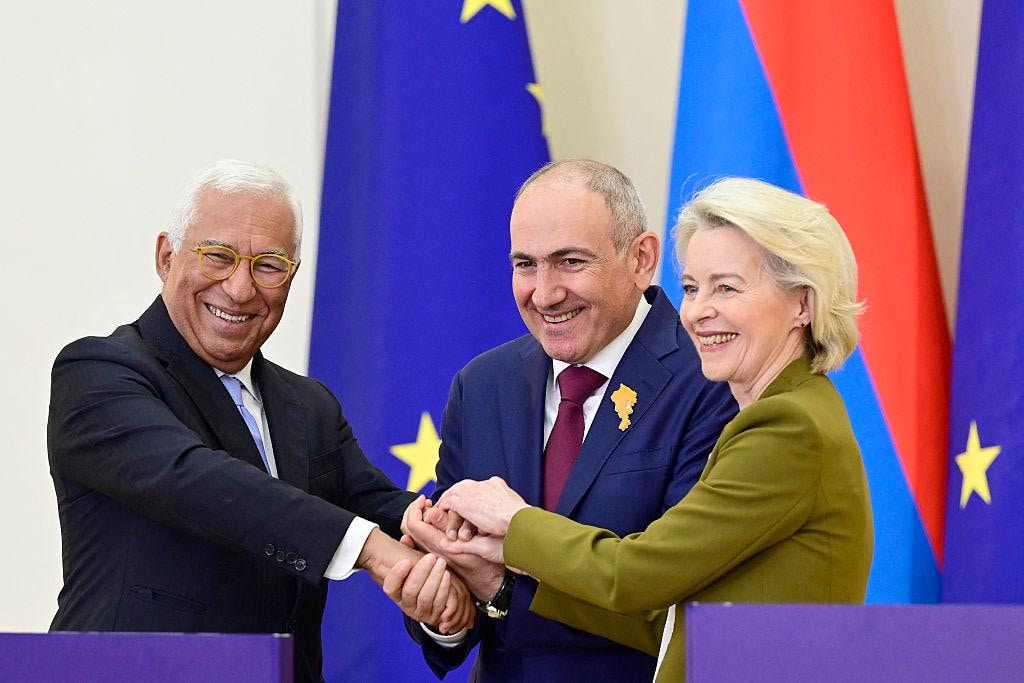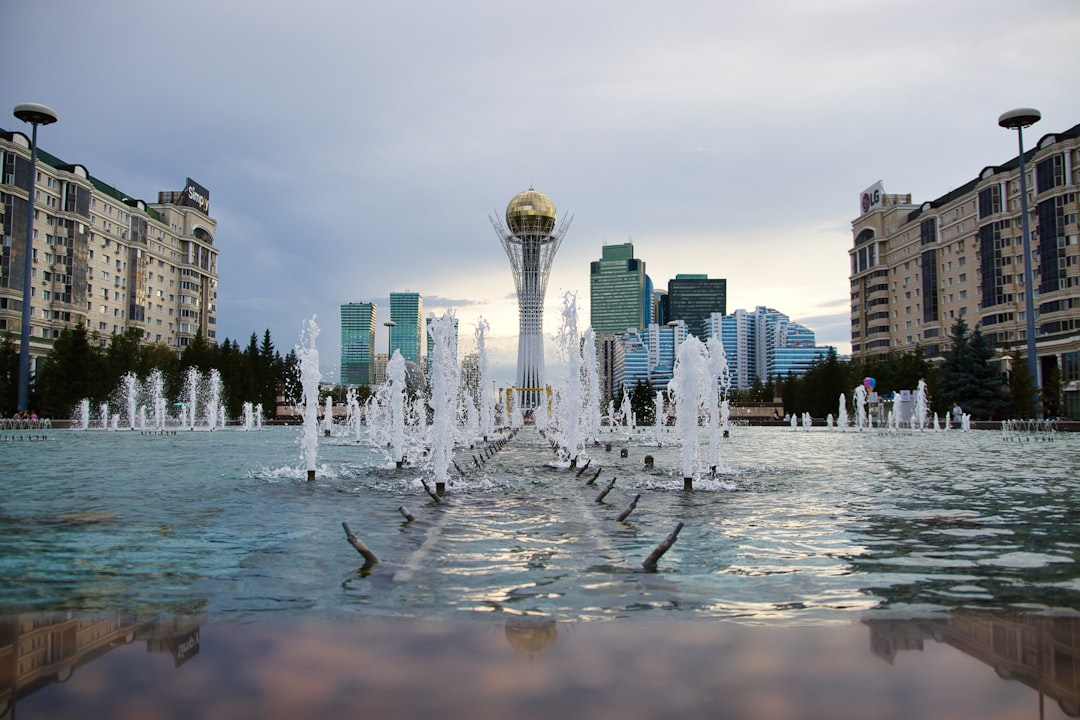
Astana: Kassym-Jomart Tokayev’s visit to Brussels on 23 June was the kind of diplomatic event that produces no dramatic headline and yet signals a real shift. Meeting Antonio Costa and Ursula von der Leyen, the Kazakh president left with language about a deepening strategic partnership that, a few years ago, neither side would have used about the other. The relationship is being quietly upgraded from transactional to structural, and the reasons say a great deal about how Europe now thinks about its own vulnerabilities.
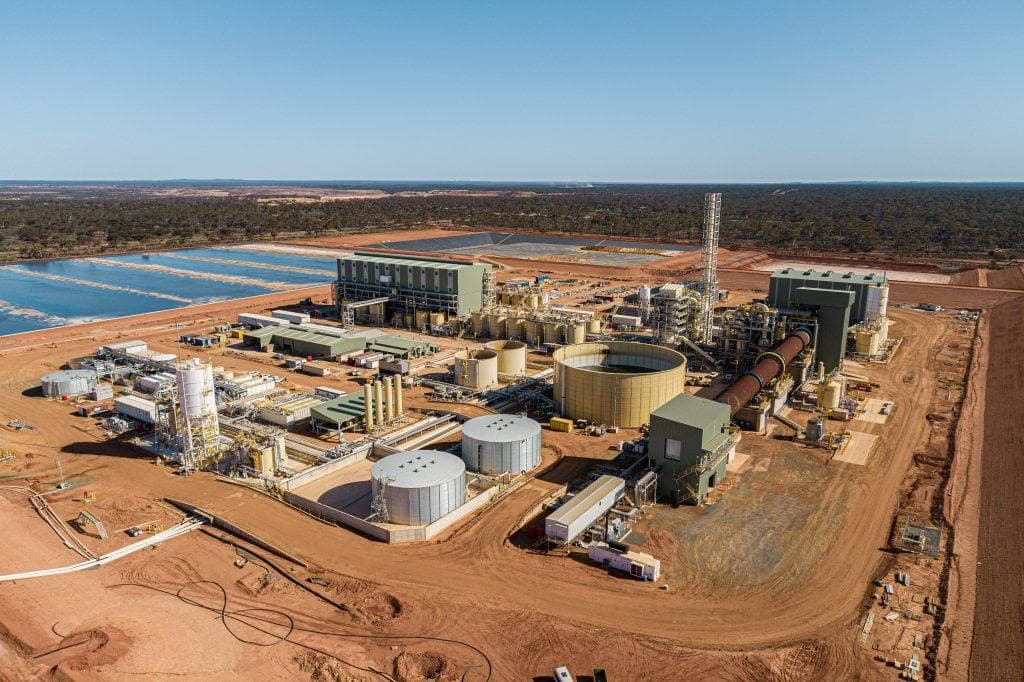
Geography explains much of it. Kazakhstan produces nineteen of the thirty-four raw materials the European Commission classifies as critical, and it is the world’s leading source of uranium. As Brussels tries to reduce its dependence on any single supplier for the metals that feed batteries, wind turbines and defence systems, a resource-rich partner with no appetite to weaponise exports is close to ideal. The two sides signed a memorandum on critical raw materials, batteries and green hydrogen in 2024, and the current visit advanced the roadmap that turns those intentions into projects.
But reading the partnership purely as a minerals grab misses its more interesting dimension. The deeper prize is connectivity. The Middle Corridor, the trans-Caspian route that moves goods between China and Europe while bypassing Russia, runs through Kazakh territory. Every euro Brussels invests in Kazakh ports, rail and customs systems buys both a supply line and a measure of strategic insulation. Under the Global Gateway programme, the EU has earmarked billions for Central Asian infrastructure, with a large tranche directed at exactly this corridor and the raw materials it can carry.
For Astana, the calculation is one of balance. Kazakhstan sits between Russia and China and has spent the post-2022 period carefully avoiding entrapment by either. A credible European partner gives Tokayev a third pole to lean on, a way to diversify markets, attract investment and signal that his country is not anyone’s satellite. The first EU-Central Asia summit in Samarkand last year formalised that ambition at a regional level; the Brussels meeting showed it advancing bilaterally with the region’s largest economy.
The obstacles are real and worth naming. Kazakhstan’s governance record sits uneasily beside the EU’s stated commitment to rule-of-law conditionality, and European NGOs will watch whether minerals diplomacy quietly softens that scrutiny. Infrastructure built across a vast, landlocked geography is slow and expensive, and the Middle Corridor’s capacity remains a fraction of the northern routes it aspires to replace. Promises of investment have a way of outrunning disbursement.
What makes the moment significant is less any single agreement than the change in posture. Europe is learning to treat supply chains, energy and transport as instruments of foreign policy rather than afterthoughts to it, and Kazakhstan has become an early test of whether that lesson translates into durable relationships. If the projects materialise, Brussels gains a reliable partner on the map’s most awkward seam. If they stall, the partnership will join a long list of well-intentioned declarations. The next year of delivery, not the warm words of June, will tell which it becomes.