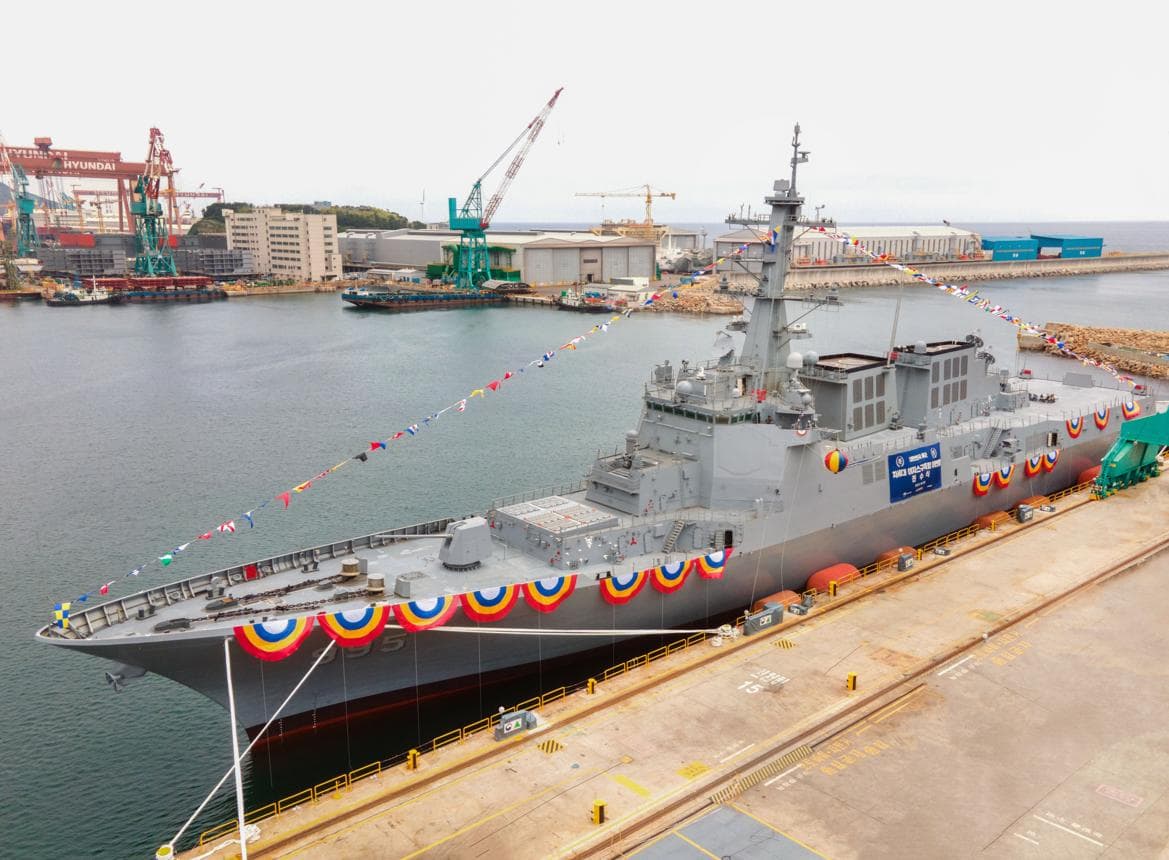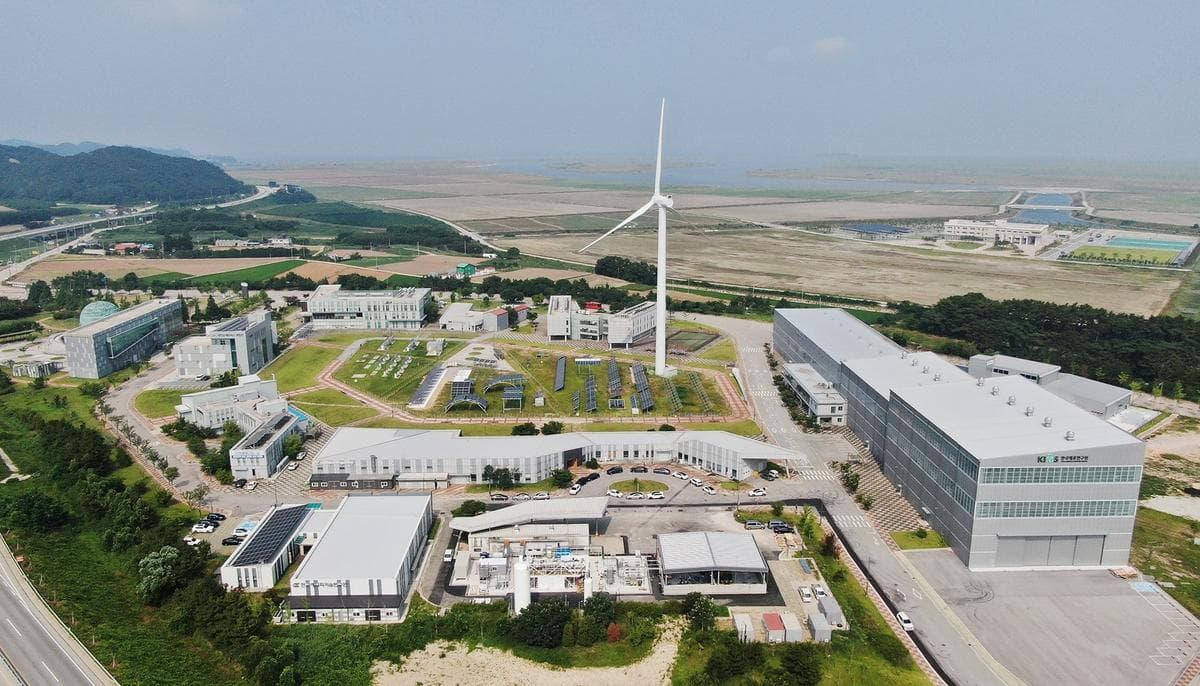
Ulsan: Along South Korea’s industrial south coast, the shipyards and chemical plants that built the country’s export machine are being retooled for a new customer. Europe wants Korean clean energy expertise, and Seoul is eager to sell it.
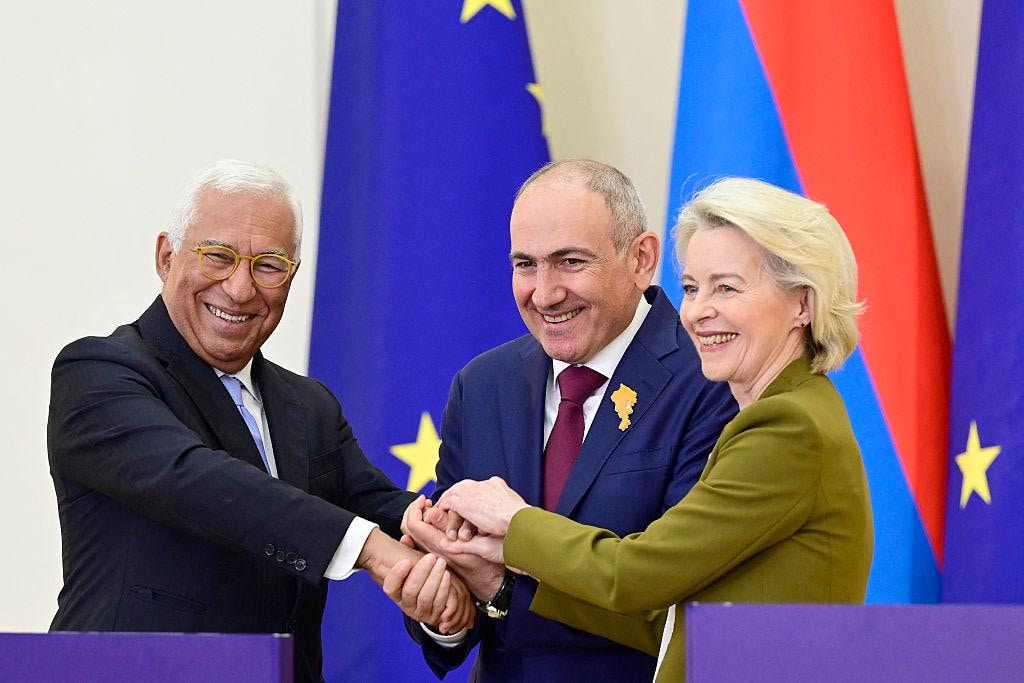
The two governments used their eleventh summit in Brussels on 10 June 2026 to widen a partnership that had leaned on trade and electronics. Presidents Ursula von der Leyen and Antonio Costa met President Lee Jae-myung and emerged with commitments spanning energy, security and technology.
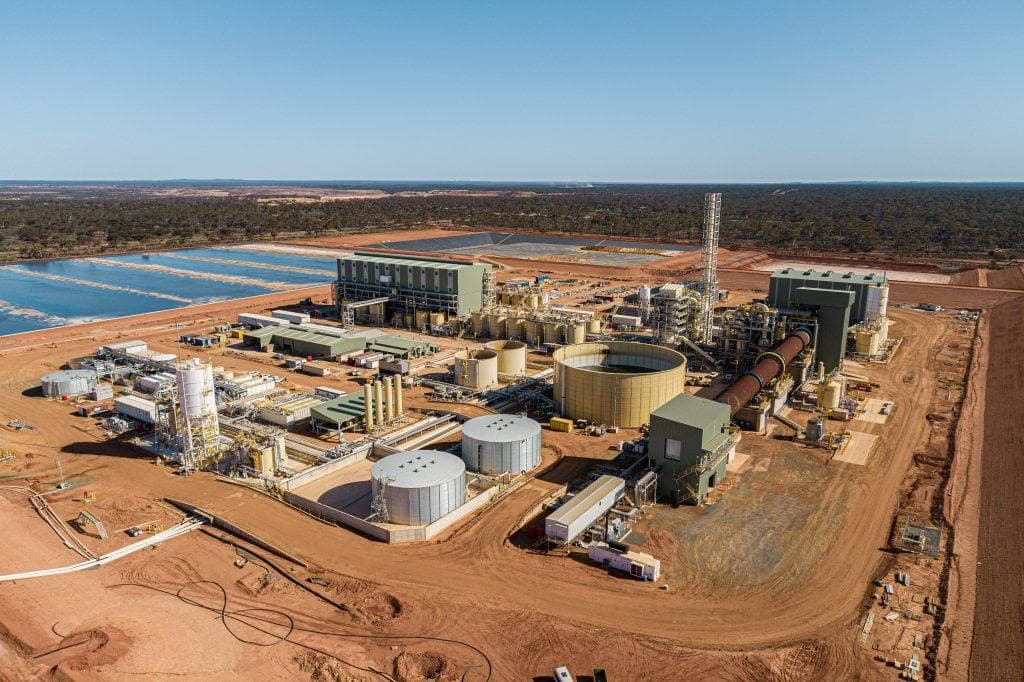
Hydrogen sits at the centre. The EU sees strong potential to build clean energy business partnerships with Korea in hydrogen and offshore wind, and even in small modular nuclear reactors. Korea recently launched auctions for hydrogen-derived power, classing 500 gigawatt-hours as clean under a strict carbon threshold, part of its plan to phase out coal by 2040.
Offshore wind offers a second front. Korean shipbuilders already dominate the vessels and platforms that wind farms need, and European developers want reliable suppliers outside China. Turning that industrial overlap into joint projects would let both sides cut costs and share engineering talent.
Batteries bind the relationship tightest of all. Korean firms account for roughly 78 percent of Europe’s installed battery-manufacturing capacity, and those companies are working to reduce their own dependence on Chinese materials. That aligns neatly with Europe’s push to secure its supply chains.
The summit also produced a Digital Trade Agreement, signed on 10 June, that sets binding rules on data flows and consumer trust. Clean energy and digital trade may seem separate, but both rest on the same bet, that Europe and Korea can build a technology bloc less exposed to great-power coercion.
Semiconductors and artificial intelligence round out the agenda. Both sides plan deeper cooperation across research and the AI stack, recognising that modern power grids increasingly depend on advanced chips and software to balance intermittent supply.
The obstacles are practical rather than political. Hydrogen remains expensive, offshore wind faces permitting delays across Europe, and nuclear cooperation must clear strict safety and non-proliferation rules. None of these projects will deliver power this year.
Yet the strategic fit is unusual. Korea has the manufacturing muscle Europe lacks, and Europe offers the market and regulatory heft Korea needs. The EU delegation in Seoul has hosted forums to match companies on both sides.
If the partnership holds, Korea will have moved from a valued trading partner to something closer to an indispensable clean energy ally, and Europe will have found in the Pacific a supplier it can trust.