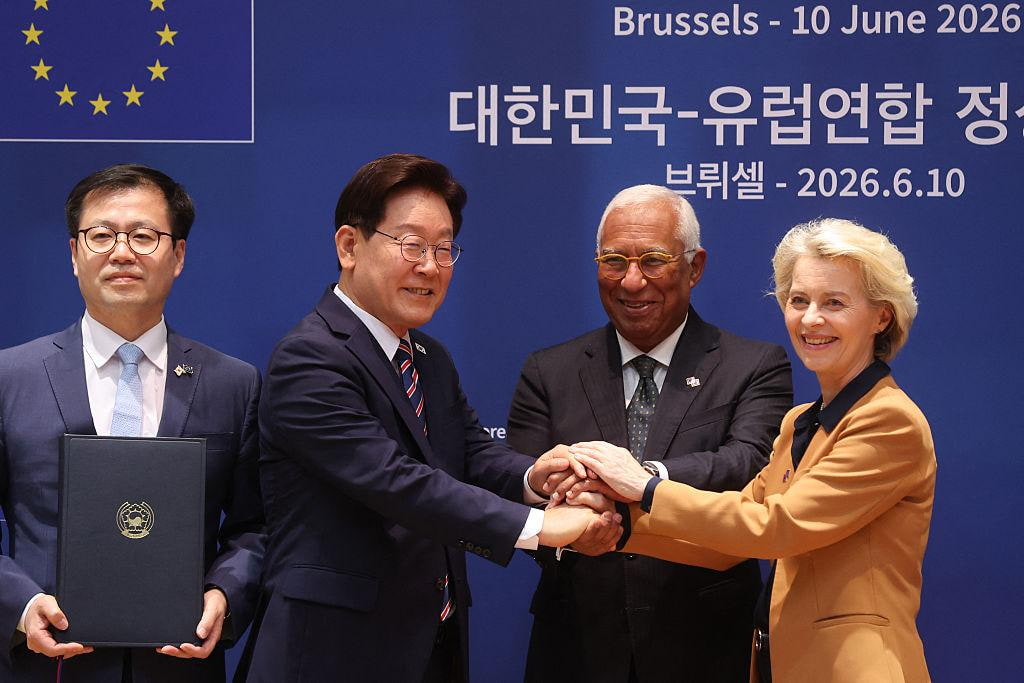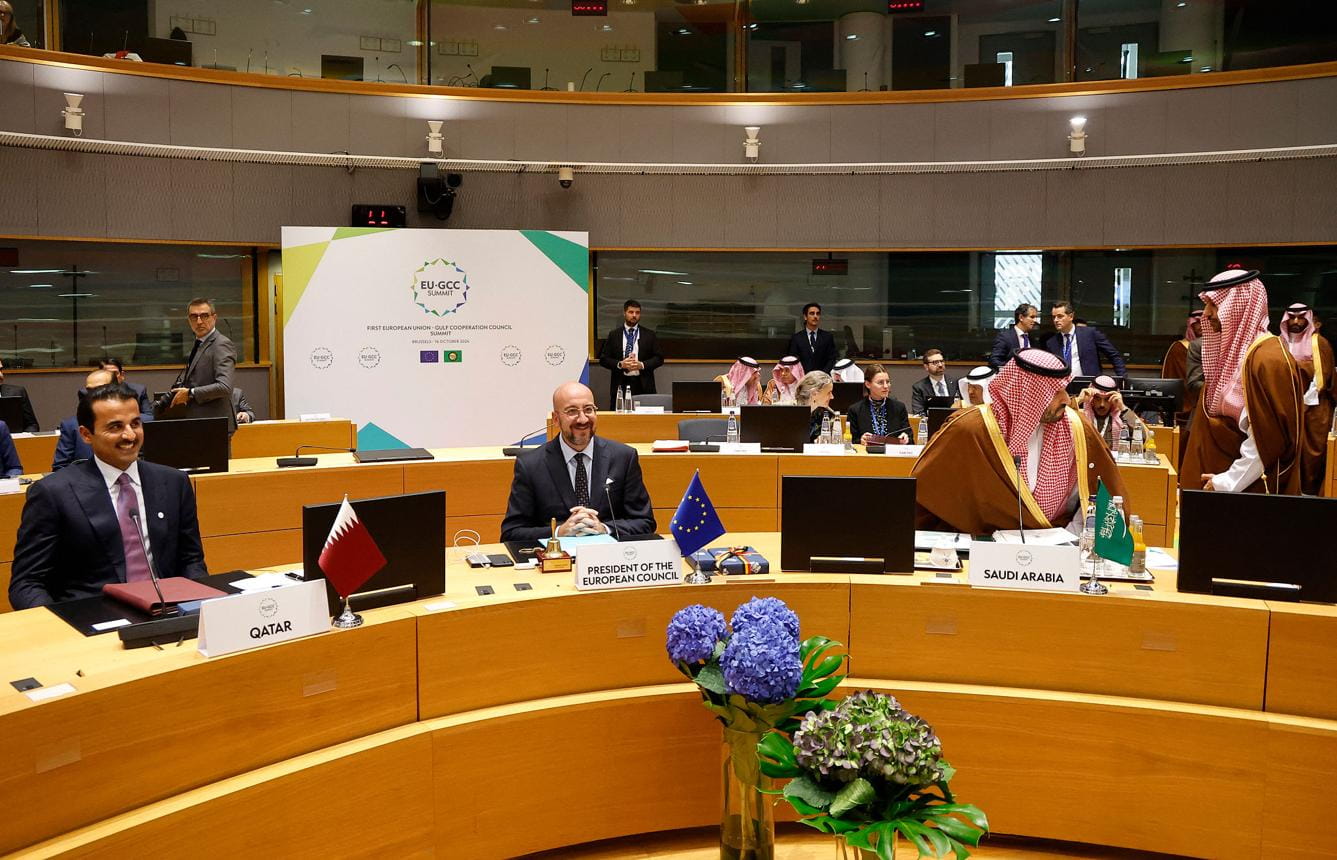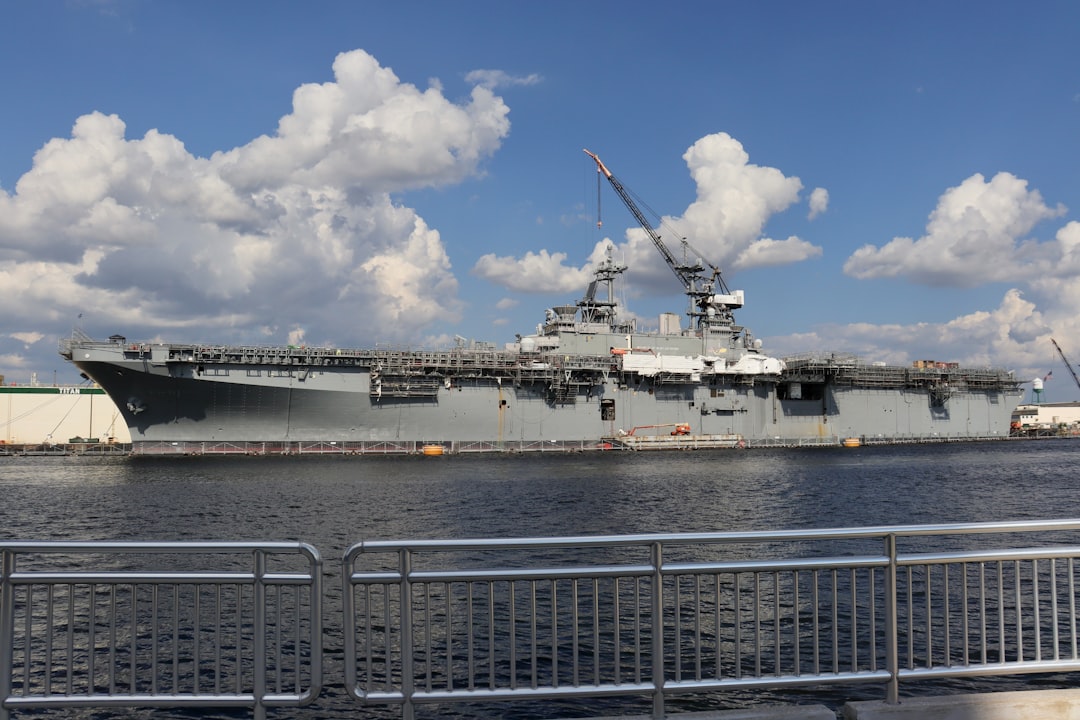
Seoul: As European governments scramble to rearm against a more dangerous neighbourhood, they keep running into the same wall: their shipyards cannot build fast enough. South Korea, with the industrial muscle of HD Hyundai Heavy Industries and Hanwha Ocean, has become the partner Europe did not plan for but increasingly cannot do without. The EU and the Republic of Korea reviewed progress on their Security and Defence Partnership at a Brussels summit, and naval cooperation has emerged as its most tangible strand.
The appeal is arithmetic. Korean yards have demonstrated a capacity to deliver large vessels on schedule and at scale, the very qualities European naval procurement has lacked for a generation. Dutch firms such as Damen Shipyards and Thales Netherlands bring modular hull design, advanced radar and naval electronics; Korean builders bring throughput. The most realistic model is not a flag-waving joint EU–Korea warship but integrated supply chains and distributed production, where European systems are fitted to hulls that benefit from Korean speed.
For Seoul, the prize is strategic standing rather than mere export revenue. Korea wants to be seen by the EU and NATO members as a trusted, embedded defence partner rather than a transactional arms vendor, and that reputation requires long-term manufacturing investment on European soil. A Korean firm that builds and sustains capacity inside Europe earns a permanence that a one-off contract never confers. The shift from exporter to partner is the quiet ambition behind every memorandum.
The obstacles are equally real. European defence policy guards domestic industrial sovereignty jealously, and proposals to channel collective funding toward home-grown production sit awkwardly beside reliance on an Asian supplier, however friendly. Trade unions and national champions will ask why public money builds capability abroad. Seoul must answer by localising: investing, hiring and transferring know-how until the cooperation looks European in everything but origin.
There is also a delicate geopolitical balance. Korea sells to both sides of several rivalries and treasures its room for manoeuvre, while Europe is sharpening its language on systemic competition with China. Binding the two too tightly on defence could entangle Seoul in quarrels it would rather avoid, and entangle Brussels in tensions on the Korean peninsula. Both will move deliberately, keeping the partnership industrial enough to be deniable as a military alliance.
Yet the logic keeps pulling them together. Europe needs hulls and needs them soon; Korea needs durable partners and the prestige of being chosen by NATO’s core. If the two can convert summit declarations into steel cut in real yards, they will have built something more lasting than a procurement deal. The test, as ever in defence, is whether the ships arrive before the threat does.