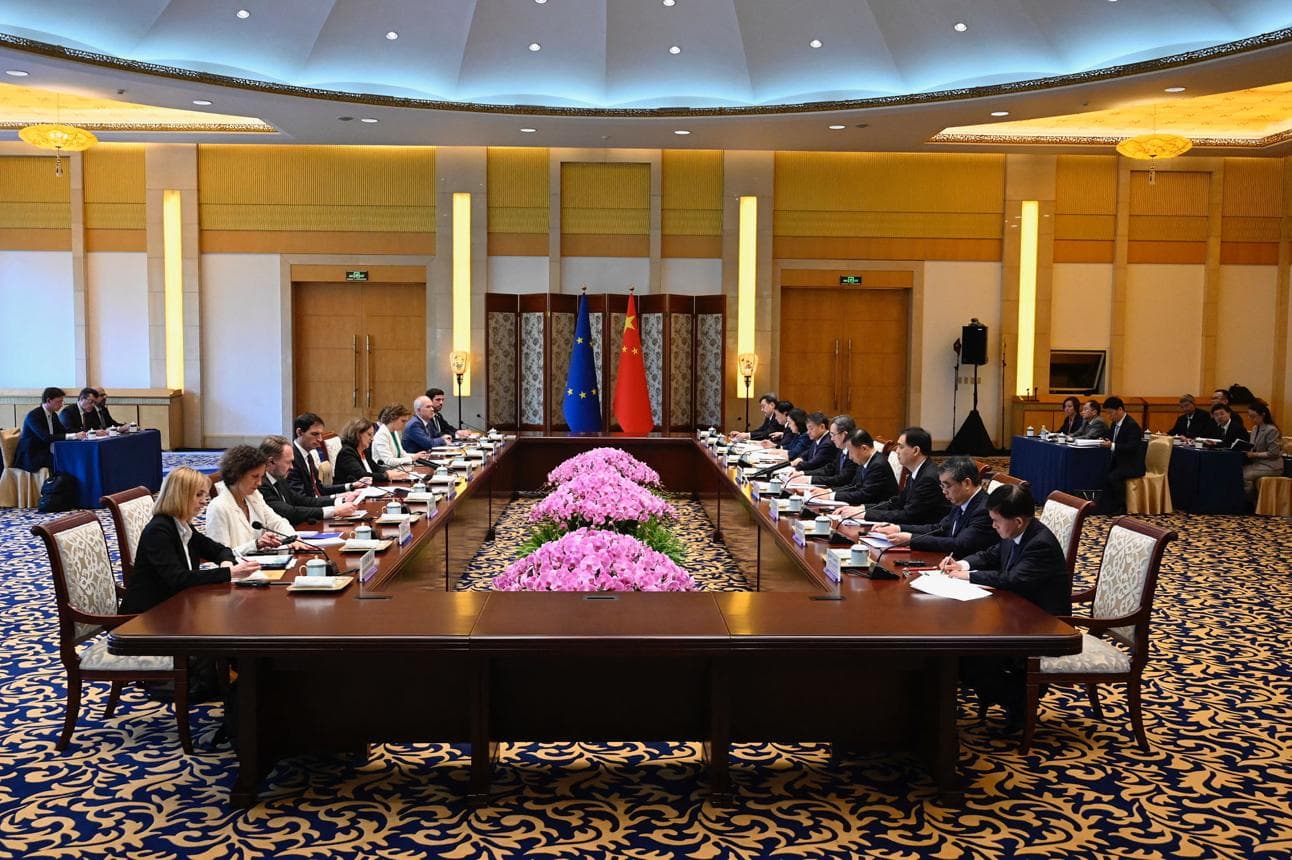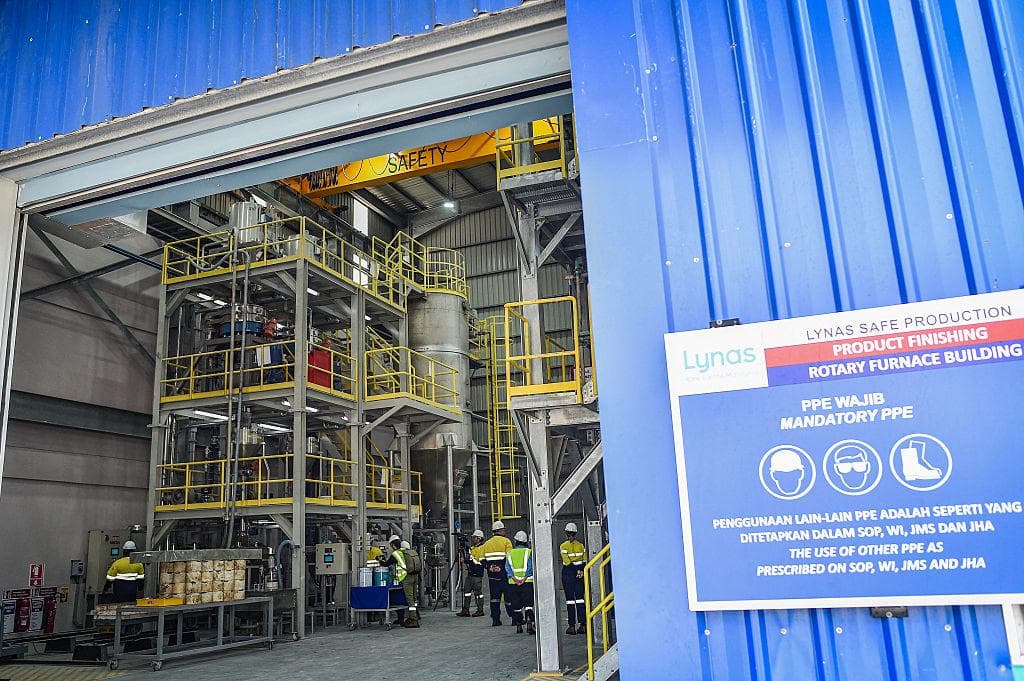
Kuala Lumpur: Malaysia’s emergence as a structural node in Europe’s rare earth strategy is hardening into something more substantive than a diversification slogan. The country, designated a strategic third-country partner under the EU Critical Raw Materials Act since the 2024 communications cycle, has spent the early months of 2026 building out the technical and political scaffolding required to play that role. Its participation in the Critical Minerals Ministerial earlier this year alongside fifty-three other governments and the European Commission underscored a shift in posture — from passive supplier to active architect of supply-chain governance.
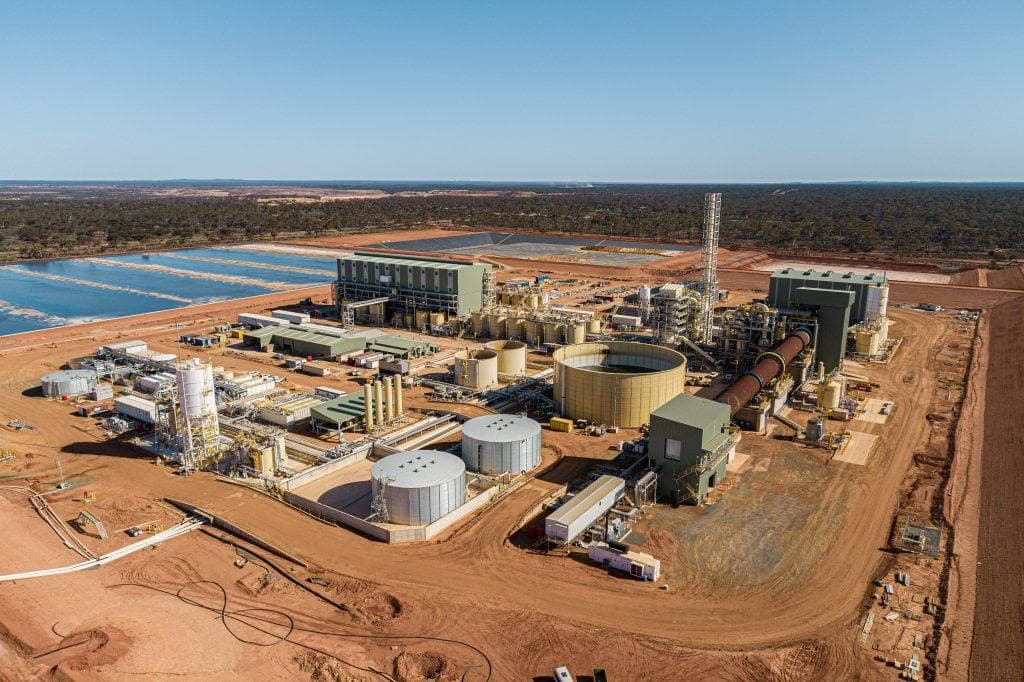
The economic geography helps explain the attention. The Australian-listed processor Lynas, operating its Kuantan plant on Malaysia’s east coast, already accounts for roughly four percent of global refined rare earth output and is the only at-scale producer of separated heavy rare earths outside China. For European industrial planners working on permanent magnets for offshore wind, electric drivetrains and defence platforms, that single Malaysian facility represents a disproportionate share of the world’s non-Chinese capacity. Recent expansion plans at the site target a doubling of dysprosium and terbium output by the end of the decade, the very heavy rare earths most exposed to Chinese export licensing controls.
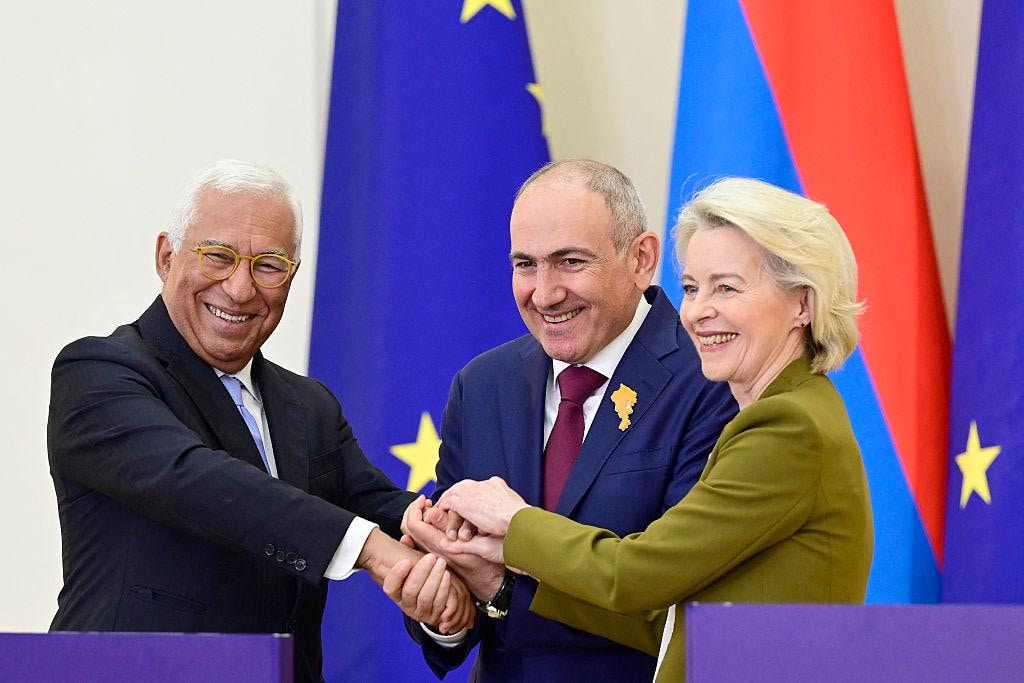
Brussels has been moving to lock that capacity into a more formal partnership. Discussions through the EU-Malaysia critical raw materials channel, accelerated after Beijing’s late-2025 expansion of dual-use export licensing, are aimed at producing a strategic partnership agreement modelled on those already concluded with Australia, Canada and several African producers. The Malaysian government has signalled openness, conditional on European co-financing for upstream environmental and labour upgrades and on commitments around technology transfer to domestic refining champions. The Commission’s Global Gateway platform, with its €300 billion envelope, is being positioned as the financing vehicle.
The political economy of the file is more delicate than it appears. Malaysia balances long-standing trade and investment ties with China — its single largest goods partner — against a strategic preference for diversification. Domestic processing of rare earths also remains politically sensitive because of legacy environmental controversies, including the protracted dispute over thorium-bearing residue at the Lynas site. Kuala Lumpur’s regulators have tightened oversight in response, and Europe’s partnership conversations are being conducted against that backdrop, with sustainability standards now seen as enabling rather than constraining further expansion.
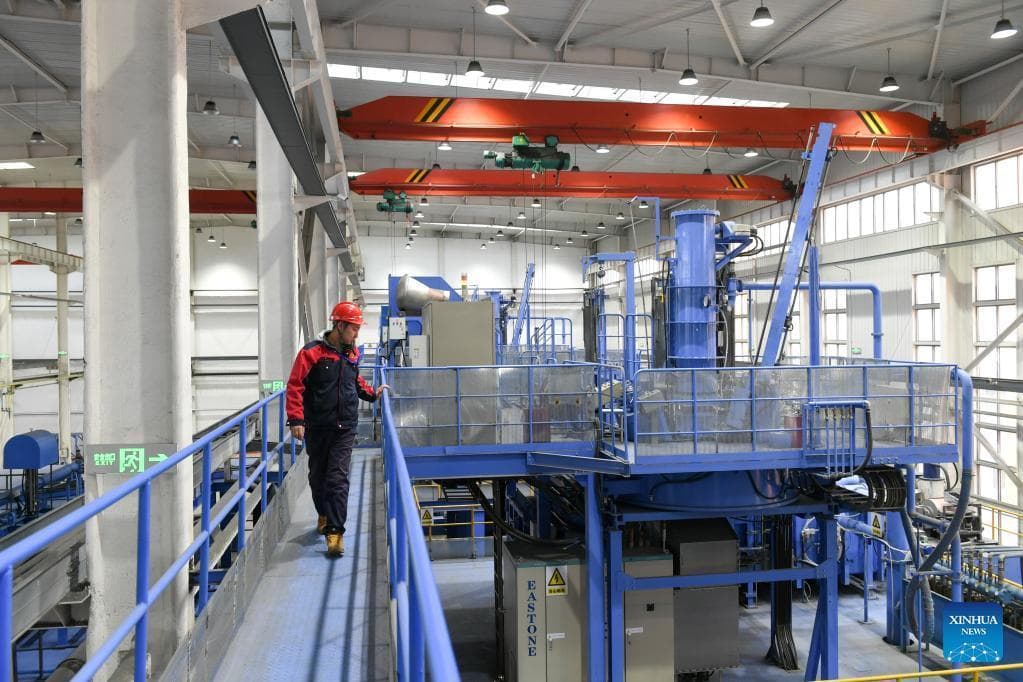
European strategic security calculations sharpen the urgency. The bloc’s dependence on Chinese refined heavy rare earths runs above ninety percent for several categories, an exposure that the Defence Industrial Programme and the wider Readiness 2030 work plan have flagged as unsustainable. Malaysia, with refining know-how already operational, a stable regulatory framework and a track record of compliance with international safeguards, offers a much faster route to capacity than greenfield projects in member states. Permitting, training and capital cycles in Europe still measure in years; in Malaysia, brownfield expansion can be measured in quarters.
There are constraints to acknowledge. Lynas itself is a single private operator with its own strategic relationships, including significant contracts with the United States Department of Defense and Japanese consortia, and a European agreement will have to align with those obligations rather than displace them. Malaysian officials have also been clear that any partnership must avoid the perception of choosing sides in an emerging mineral cold war, particularly given regional sensitivities around supply-chain blocs.
The shape of an agreement is therefore unlikely to mirror those Brussels has signed with allies further from Beijing’s gravitational pull. A workable EU-Malaysia framework will probably combine off-take guarantees, joint financing of expansion, supportive trade provisions and a structured cooperation channel on environmental and labour standards. If concluded in the second half of 2026, it would mark the most consequential European intervention in Southeast Asian critical minerals to date and would meaningfully shift the map of post-China rare earth supply.