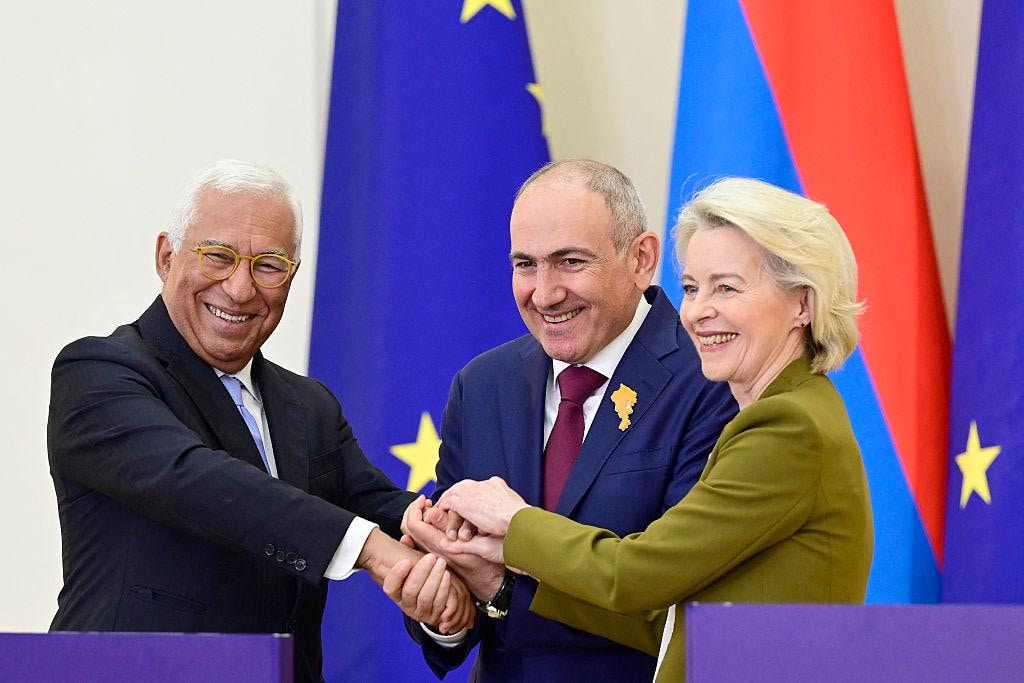
Manila: For a decade the prospect of a Philippine trade pact with Europe has been less a negotiation than a stop-start courtship, opened in 2015, frozen over human-rights disputes, and revived only after Ursula von der Leyen and Ferdinand Marcos Jr agreed in 2023 to try again. What was once a symbolic gesture now carries a hard deadline, and that deadline is concentrating minds in both capitals.
The pressure is structural. The Philippines currently enjoys duty-free access to the European market for more than seven thousand product lines under a special incentive scheme tied to its ratification of international conventions. That arrangement lapses at the end of 2027. Without a full free trade agreement to replace it, exporters of everything from canned tuna to coconut oil and electronics components would face the common external tariff that their competitors elsewhere in Asia have already negotiated away. A privilege that once looked generous now looks like a cliff edge.
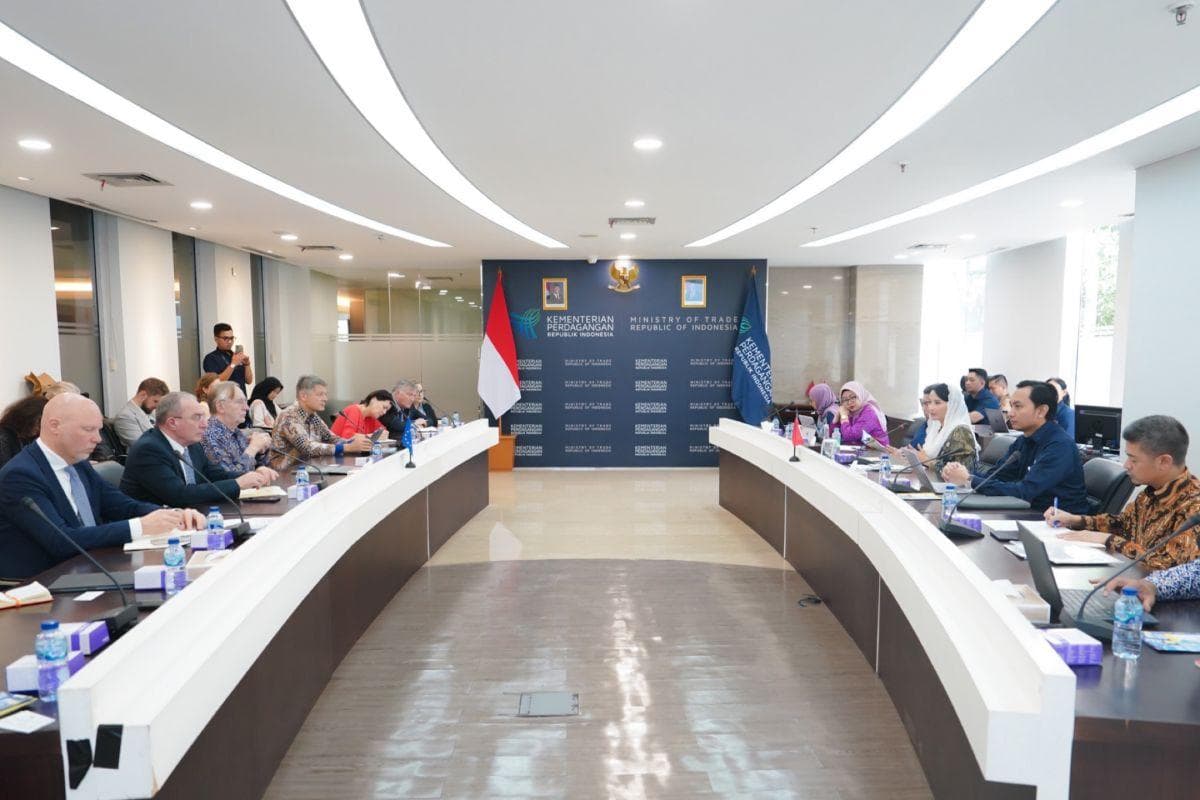
That explains the unusual speed of the recent rounds. The fifth, held in Brussels in early March, moved through text on sanitary rules, technical barriers, intellectual property, digital trade, energy and state-owned enterprises. The sixth, hosted in Manila in late May, narrowed to the two chapters that always decide whether such deals live or die, agriculture and government procurement. Manila wants European public contracts opened to its firms; Brussels wants access for its farm goods. Neither side pretends these are simple, and both have signalled they will keep some tariffs in place to shield sensitive domestic producers.
Philippine trade officials are now openly targeting conclusion at the seventh round, scheduled for the end of June and the first days of July. Whether that proves realistic is a separate question from whether the ambition is sincere, and the ambition is plainly sincere. A signing, if it comes, would more likely fall in 2027, after legal scrubbing and translation, but the political work would be done.
For Europe the calculation extends well beyond Philippine ports. The agreement is one more tile in a mosaic the bloc has been assembling across the Indo-Pacific, alongside concluded or revived deals with Singapore, Vietnam, Indonesia and others. Each is modest on its own. Together they describe a strategy of spreading exposure across many partners rather than depending on any single one, an instinct sharpened by years of friction with the region’s largest economy. A network of mid-sized agreements is harder to disrupt than one grand bargain.
The Philippines offers Europe something specific in that design. It is a young, English-speaking market of well over a hundred million people, a significant electronics assembler, and a maritime state whose position in the South China Sea gives it strategic weight disproportionate to its economic size. Brussels has learned to value partners that combine commercial promise with a stake in keeping sea lanes open.
There are real risks of overpromising. Final-round optimism is a recurring feature of trade diplomacy, and chapters on procurement and agriculture have a habit of reopening just when negotiators declare them closed. Ratification by the European Parliament and member states adds another stretch of road, and the human-rights questions that stalled the talks a decade ago have not vanished from the conversation.
Still, the direction is unmistakable. A deal first imagined as goodwill has become, for Manila, a matter of preserving access it cannot afford to lose, and for Brussels, a low-cost way to widen its footprint in a contested region. Deadlines have a way of finishing what good intentions could not, and this one is now close enough to read.