August 9, 2026
LATEST
New EU Gas Market Rules Take Effect With Consumer SafeguardsDeforestation Regulation Holds Its December Deadline Despite CutsDigital Omnibus Delays Europe’s High-Risk AI Deadline to 2027Europe’s Schools Confront a Widening Basic Skills GapRule of Law Report Finds Progress but Trust Still LagsIRIS2 Gains 66 Satellites as Brussels Signs the Rollout DealNature Restoration Plans Come Due as Member States Race a DeadlineECB Rates Hold at 2.25 Percent as Frankfurt Waits on the DataEU Budget Talks Turn to Cohesion as Ireland Takes OverWildfire Response Stretches Europe’s Emergency Fleet ThinCan Europe’s Quantum Plan Match Its Big Ambitions?Armenia Edges West as Moscow’s Grip Slips AwayEurope Inherits the World’s Aid Bill It Cannot Fully PayAir Passenger Rights Get Their First Overhaul in Two DecadesErasmus Opens a 5 Billion Euro Round for Skills and MobilityCeuta Crisis Pushes the EU Toward Faster Migrant ReturnsBulky Parcels Face a Packaging Crackdown From August 12Can Europe Build Its Drone Wall Before 2030 Arrives?Indonesia’s Trade Deal With Europe Nears Its Final SignatureEurope Leans on Beijing to Keep Climate Talks Alive Before AntalyaNew EU Gas Market Rules Take Effect With Consumer SafeguardsDeforestation Regulation Holds Its December Deadline Despite CutsDigital Omnibus Delays Europe’s High-Risk AI Deadline to 2027Europe’s Schools Confront a Widening Basic Skills GapRule of Law Report Finds Progress but Trust Still LagsIRIS2 Gains 66 Satellites as Brussels Signs the Rollout DealNature Restoration Plans Come Due as Member States Race a DeadlineECB Rates Hold at 2.25 Percent as Frankfurt Waits on the DataEU Budget Talks Turn to Cohesion as Ireland Takes OverWildfire Response Stretches Europe’s Emergency Fleet ThinCan Europe’s Quantum Plan Match Its Big Ambitions?Armenia Edges West as Moscow’s Grip Slips AwayEurope Inherits the World’s Aid Bill It Cannot Fully PayAir Passenger Rights Get Their First Overhaul in Two DecadesErasmus Opens a 5 Billion Euro Round for Skills and MobilityCeuta Crisis Pushes the EU Toward Faster Migrant ReturnsBulky Parcels Face a Packaging Crackdown From August 12Can Europe Build Its Drone Wall Before 2030 Arrives?Indonesia’s Trade Deal With Europe Nears Its Final SignatureEurope Leans on Beijing to Keep Climate Talks Alive Before Antalya
August 9, 2026
LATEST
New EU Gas Market Rules Take Effect With Consumer SafeguardsDeforestation Regulation Holds Its December Deadline Despite CutsDigital Omnibus Delays Europe’s High-Risk AI Deadline to 2027Europe’s Schools Confront a Widening Basic Skills GapRule of Law Report Finds Progress but Trust Still LagsIRIS2 Gains 66 Satellites as Brussels Signs the Rollout DealNature Restoration Plans Come Due as Member States Race a DeadlineECB Rates Hold at 2.25 Percent as Frankfurt Waits on the DataEU Budget Talks Turn to Cohesion as Ireland Takes OverWildfire Response Stretches Europe’s Emergency Fleet ThinCan Europe’s Quantum Plan Match Its Big Ambitions?Armenia Edges West as Moscow’s Grip Slips AwayEurope Inherits the World’s Aid Bill It Cannot Fully PayAir Passenger Rights Get Their First Overhaul in Two DecadesErasmus Opens a 5 Billion Euro Round for Skills and MobilityCeuta Crisis Pushes the EU Toward Faster Migrant ReturnsBulky Parcels Face a Packaging Crackdown From August 12Can Europe Build Its Drone Wall Before 2030 Arrives?Indonesia’s Trade Deal With Europe Nears Its Final SignatureEurope Leans on Beijing to Keep Climate Talks Alive Before AntalyaNew EU Gas Market Rules Take Effect With Consumer SafeguardsDeforestation Regulation Holds Its December Deadline Despite CutsDigital Omnibus Delays Europe’s High-Risk AI Deadline to 2027Europe’s Schools Confront a Widening Basic Skills GapRule of Law Report Finds Progress but Trust Still LagsIRIS2 Gains 66 Satellites as Brussels Signs the Rollout DealNature Restoration Plans Come Due as Member States Race a DeadlineECB Rates Hold at 2.25 Percent as Frankfurt Waits on the DataEU Budget Talks Turn to Cohesion as Ireland Takes OverWildfire Response Stretches Europe’s Emergency Fleet ThinCan Europe’s Quantum Plan Match Its Big Ambitions?Armenia Edges West as Moscow’s Grip Slips AwayEurope Inherits the World’s Aid Bill It Cannot Fully PayAir Passenger Rights Get Their First Overhaul in Two DecadesErasmus Opens a 5 Billion Euro Round for Skills and MobilityCeuta Crisis Pushes the EU Toward Faster Migrant ReturnsBulky Parcels Face a Packaging Crackdown From August 12Can Europe Build Its Drone Wall Before 2030 Arrives?Indonesia’s Trade Deal With Europe Nears Its Final SignatureEurope Leans on Beijing to Keep Climate Talks Alive Before Antalya

Manila Races to Seal Its European Trade Deal Before GSP Expires

Manila: The Philippines has entered the final and most delicate phase of its long push for a trade deal with the European Union, and the government in Manila wants the bargaining finished before its current tariff privileges run out.

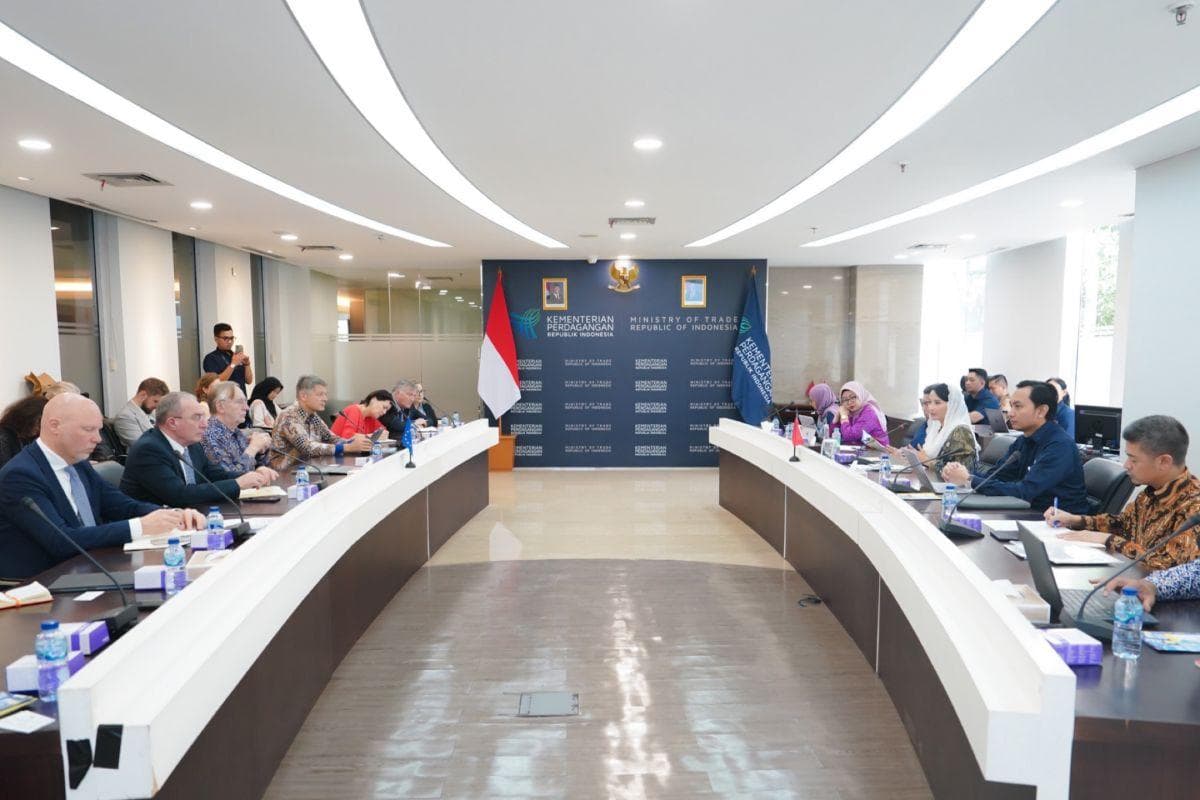
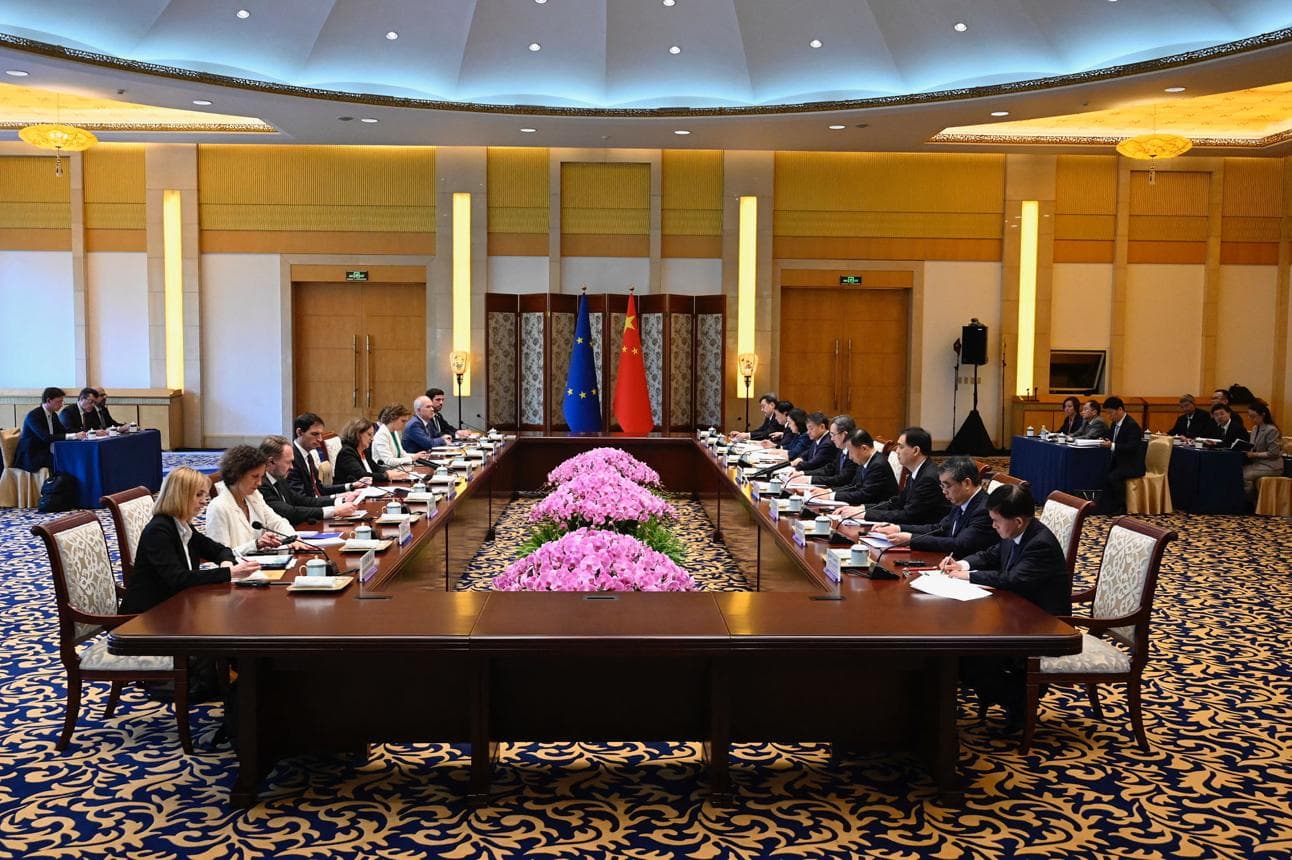
Negotiators from both sides met in Brussels for a Chief Negotiators’ Round at the start of July, the seventh round since talks resumed in 2023. Philippine trade officials arrived hoping to settle the technical questions that still separate the two economies on goods, services, investment and rules of origin.

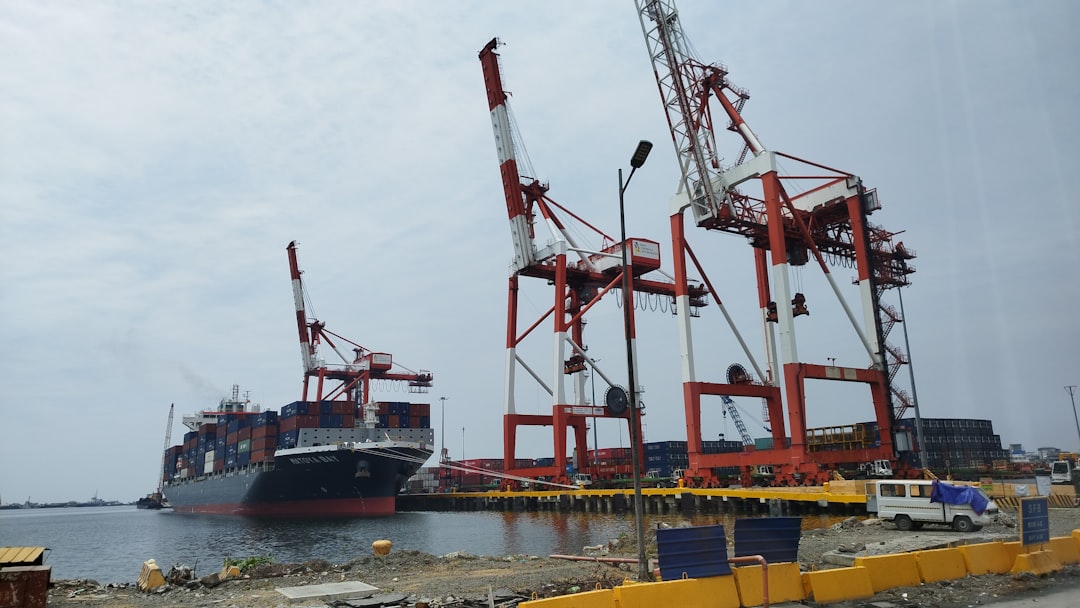
The urgency is easy to read. The Philippines currently ships more than 6,000 product lines into the European market duty-free under the Generalised Scheme of Preferences Plus, or GSP+, a unilateral arrangement that rewards developing countries for ratifying conventions on labour, human rights and the environment. That scheme is temporary by design, and Manila’s own success is bringing it to an end.

After the World Bank reclassified the Philippines as an upper-middle-income economy, the country’s eligibility for GSP+ began counting down. Without a binding agreement to replace it, Philippine exporters of tuna, coconut oil, garments and electronics would face the bloc’s standard tariffs, a jump that could erase a hard-won edge in a market of more than 450 million consumers.

A full free trade agreement would lock in that access permanently and go much further, opening European procurement, services and investment channels that GSP+ never touched. Brussels, for its part, treats the deal as one more piece in a wider effort to anchor partners across the Indo-Pacific just as it tries to reduce its dependence on any single Asian giant.

Yet the closing stretch is rarely the easy part. European negotiators have pressed for firm commitments on sustainability, labour standards and environmental enforcement, the same chapters that slowed the bloc’s deals with Vietnam and the Mercosur countries. Philippine business groups broadly welcome the agreement, but smaller manufacturers worry about meeting the EU’s exacting product rules and about European competition at home.

A political dimension runs underneath the economics. A trade agreement with a democratic Southeast Asian partner lets Brussels show that its values-based trade agenda can still deliver, after years in which critics accused it of talking about the Indo-Pacific more than acting there. For Manila, the deal spreads its export dependence beyond the United States and China at a time when both relationships carry political risk.

Officials on both sides have signalled that a conclusion in the second half of 2026 is realistic, though they have learned not to promise dates. The European Commission’s own record shows how often such timelines slip once legal scrubbing and ratification begin, and Philippine negotiators have tempered their public optimism accordingly.

If the two sides do close the text this year, the agreement would still need approval from the European Parliament and, depending on its scope, from national capitals, a process that can stretch well beyond the handshake. For now, the race in Manila is against the calendar, and the clock on its tariff privileges is the loudest sound in the room.