Ulaanbaatar: Wedged between the two powers that surround it, Mongolia has spent years cultivating what its diplomats call a third neighbour, a deliberate search for partners beyond Russia and China to dilute a dependence that geography otherwise makes total. The European Union has emerged as one of the most credible candidates for that role, and the venue where the relationship is being tested has shifted west: after the annual Joint Committee under the Partnership and Cooperation Agreement met in the Mongolian capital in April last year, the two sides agreed to hold the next session in Brussels during the coming year.
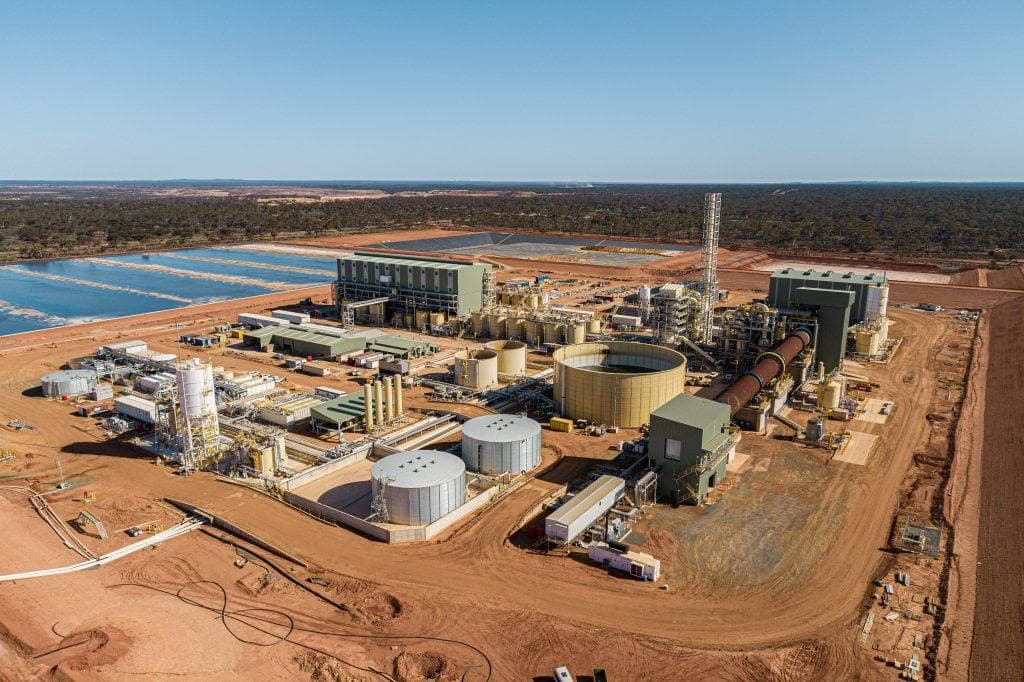
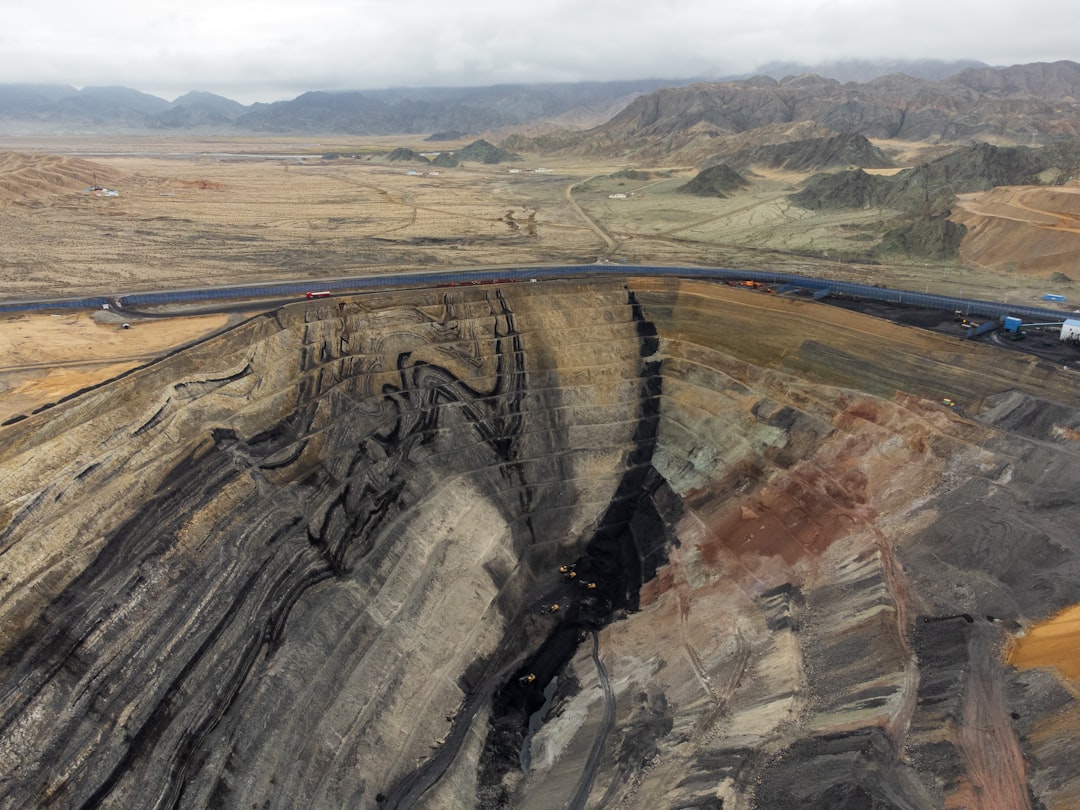
At the centre of the conversation sits the question that now dominates so much of European external policy, namely where the bloc will source the critical raw materials its green and digital transitions require without simply trading one dependency for another. Mongolia is rich in exactly the minerals Brussels is anxious about, and the European Critical Raw Materials Act explicitly encourages strategic partnerships with resource-rich countries that share democratic values. A landlocked democracy sitting on substantial mineral wealth is, on paper, close to an ideal partner for a Union determined to reduce its reliance on Chinese supply.
The appeal runs in both directions. For Mongolia, mineral wealth is an instrument of diversification, a way to widen its economic relationships and strengthen the energy and trade independence that its leaders have long sought. For the European Union, every additional supplier of cobalt, copper and rare earths chips away at the concentration risk that the pandemic and subsequent geopolitical shocks exposed so painfully. The 2017 Partnership and Cooperation Agreement gives the two sides a ready framework on which to build, and officials have signalled they envisage additional exchanges focused specifically on critical minerals.
Yet the geography that makes Mongolia attractive also constrains it. A country with no coastline cannot ship its ore to European factories without crossing either Russia or China, the very neighbours the third neighbour strategy is meant to counterbalance. Any partnership that looks ambitious in a Brussels meeting room runs into the hard logistics of moving heavy material across thousands of kilometres of someone else’s territory. This is the structural catch that no amount of diplomatic warmth can dissolve, and it tempers what the relationship can realistically deliver in the near term.
That tension is precisely why the relationship is best understood as economic security rather than ordinary commerce. The value to Europe is partly symbolic and strategic: demonstrating that the bloc can build alternatives, signalling to larger suppliers that it has options, and supporting a democratic partner trying to widen its room for manoeuvre. The tonnages that actually flow may stay modest for years, but the political signal of a working partnership carries weight beyond the volumes involved.
Mongolia, for its part, has grown adept at this balancing act, courting multiple partners for its mineral diplomacy without tipping too far toward any one of them. Bringing the next Joint Committee to Brussels is a small but pointed gesture, placing the European relationship at the centre of a strategy designed to keep all options open. Whether it translates into mines, railways and refined supply chains will depend less on goodwill than on whether anyone can solve the problem of getting Mongolian minerals to European ports through neighbours who would rather they did not.