Wellington: The trade agreement binding New Zealand to the European Union has moved from promise to full effect, and the early numbers suggest both sides guessed right.
The last tranche of tariff cuts took hold on 1 July 2026, completing a phase-in that began when the deal first entered force in 2024. With the final barriers gone, the pact now covers the whole of the bilateral relationship rather than the generous but partial version traders had been living with. For exporters on both ends, the paperwork finally matches the political rhetoric.
The results read like a rebuttal to trade pessimism. Two-way commerce in goods and services has climbed eight percent to a record 21.6 billion dollars a year, and the Commission estimates the deal shaves roughly 140 million euros in tariff costs from European firms annually. Officials project bilateral volumes could swell by up to thirty percent over the coming decade as the cuts compound.
Wellington has reason to press its advantage. A small, distant economy gains disproportionately from guaranteed access to a market of 450 million consumers, and New Zealand’s dairy, wine and horticulture exporters have long chafed at European gatekeeping. In return, European machinery, cars and pharmaceuticals enter New Zealand on cleaner terms, while services and public procurement open in both directions.
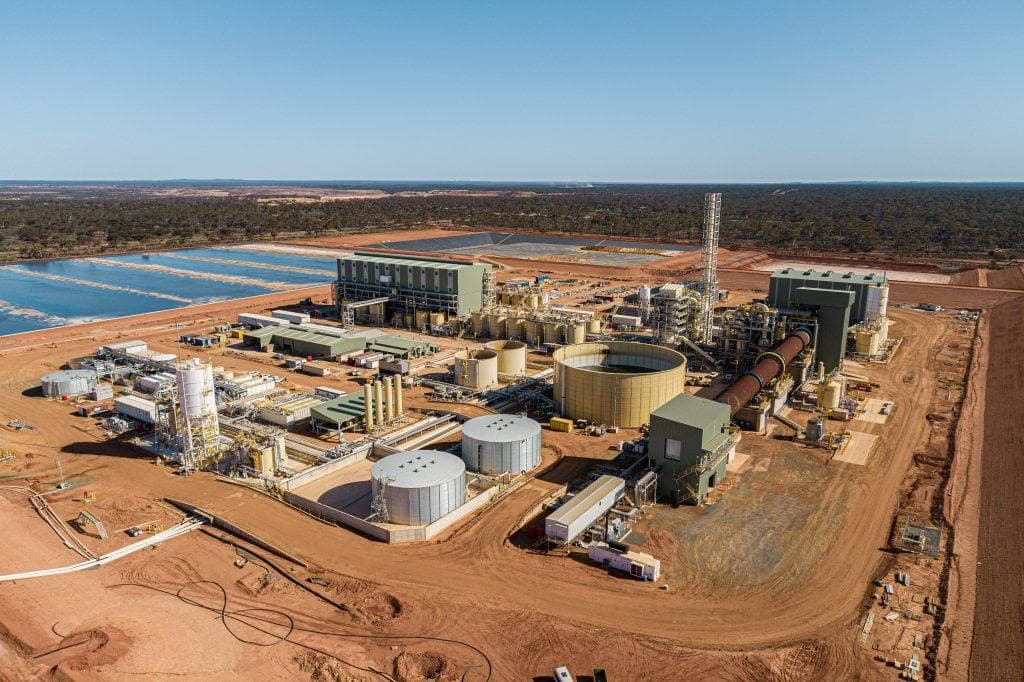
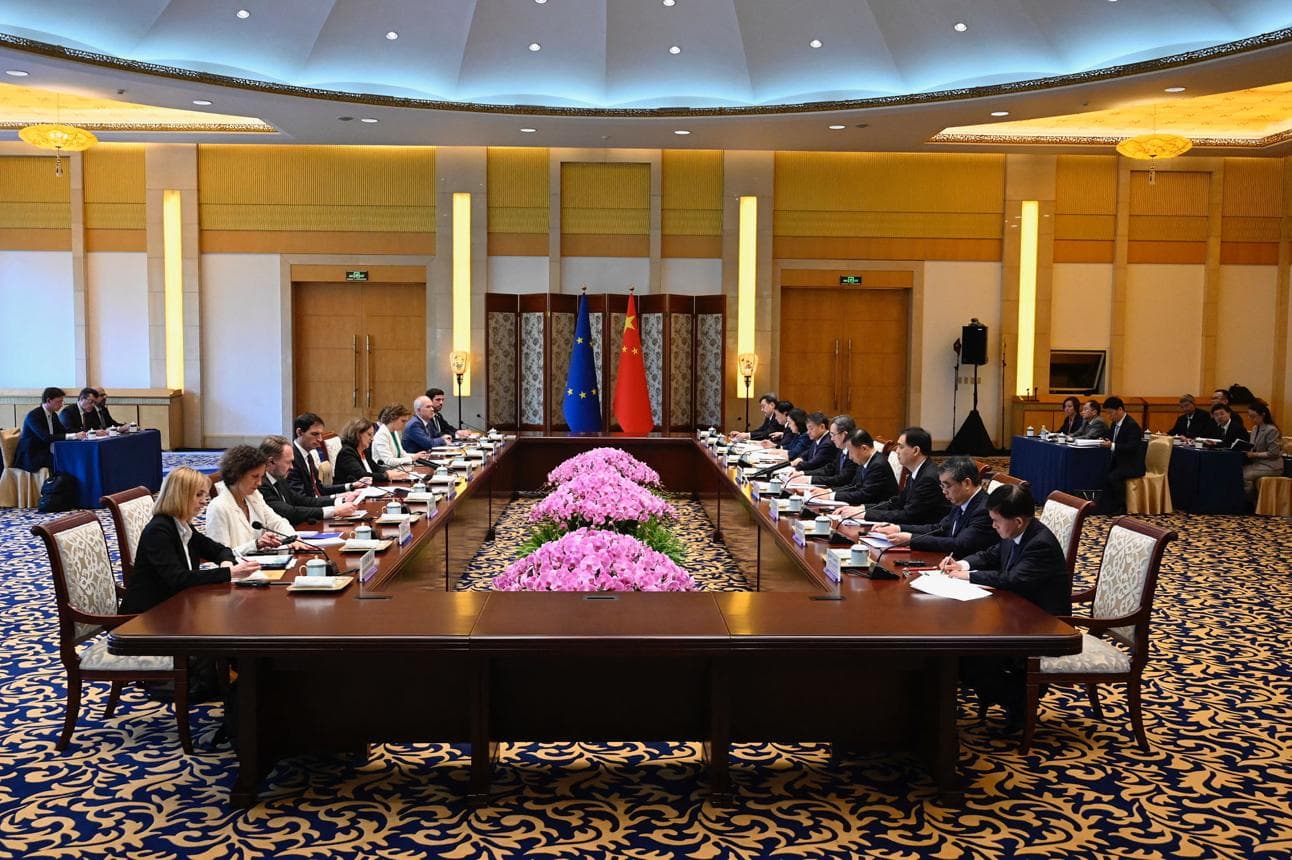
The more interesting story sits beyond tariffs. Ministers used the first meeting of the Trade Committee to sketch cooperation on digital identity and the cross-border use of digital credentials, the plumbing of a modern economy. They also flagged New Zealand’s possible participation in European strategic projects that secure critical minerals, tying a trade deal to the harder question of supply-chain resilience.
None of this arrives frictionless. New Zealand’s farmers still watch European environmental and sustainability clauses warily, aware that standards can shade into protectionism when politics demands. The agreement’s binding sustainable-development chapter, unusual for its enforceability, will test whether both partners treat green commitments as shared discipline or as a lever to be pulled selectively.
Sector by sector, the stakes vary but rarely shrink. Dairy cooperatives that once queued for European quotas now sell inside them, while New Zealand winemakers gain a cleaner run at restaurant lists from Lisbon to Helsinki. European carmakers and drugmakers, for their part, meet fewer charges at the New Zealand border, and both sides open public tenders that were long walled off. The gains are undramatic and cumulative, which is exactly how durable trade relationships tend to grow.
Still, at a moment when larger powers wield tariffs as weapons, two open economies have chosen the opposite wager. They have lowered walls, written rules they intend to keep, and scheduled their next committee for the second half of the year in Brussels. The record trade figures are the argument, and for now it is winning.