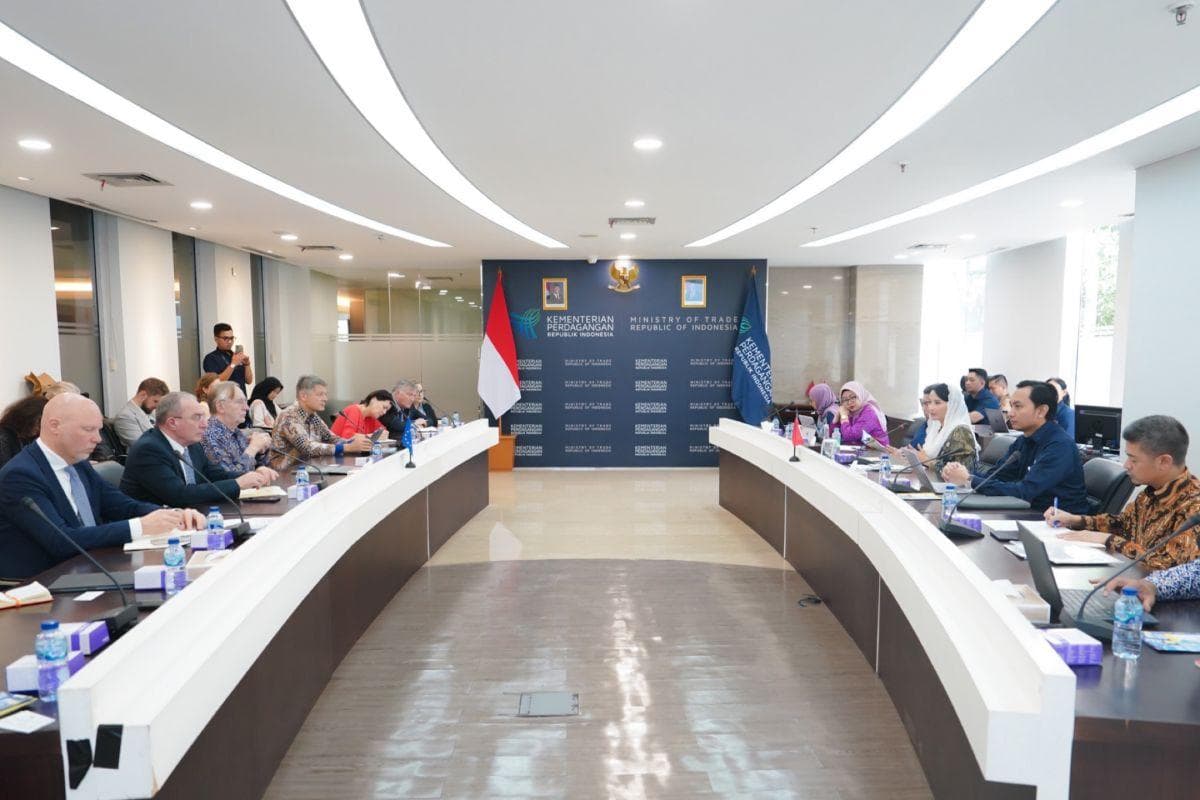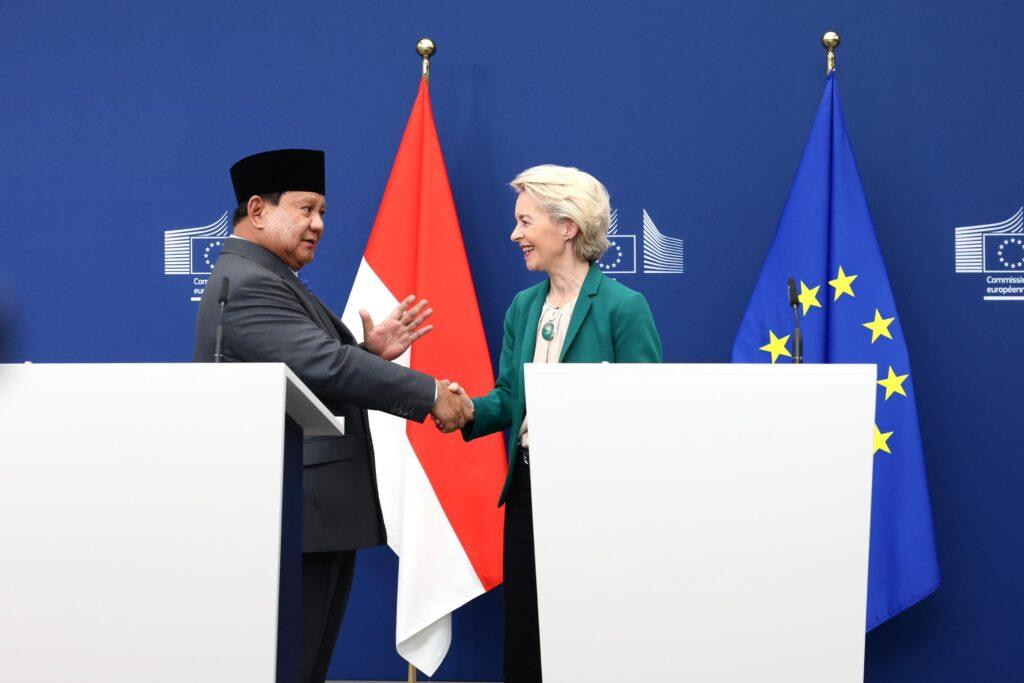
Jakarta: After nearly a decade of stop-start negotiation, the European Union and Indonesia have signed a Comprehensive Economic Partnership Agreement that binds the world’s largest single market to Southeast Asia’s biggest economy. The deal is expansive on paper, promising to make more than ninety-eight percent of Indonesian tariff lines duty-free on entry into force while Jakarta scraps duties on roughly four-fifths of European goods, with the rest phased down over years. Yet the signature is a milestone, not a finish line, and the distance still to travel says as much about the agreement as its headline numbers.
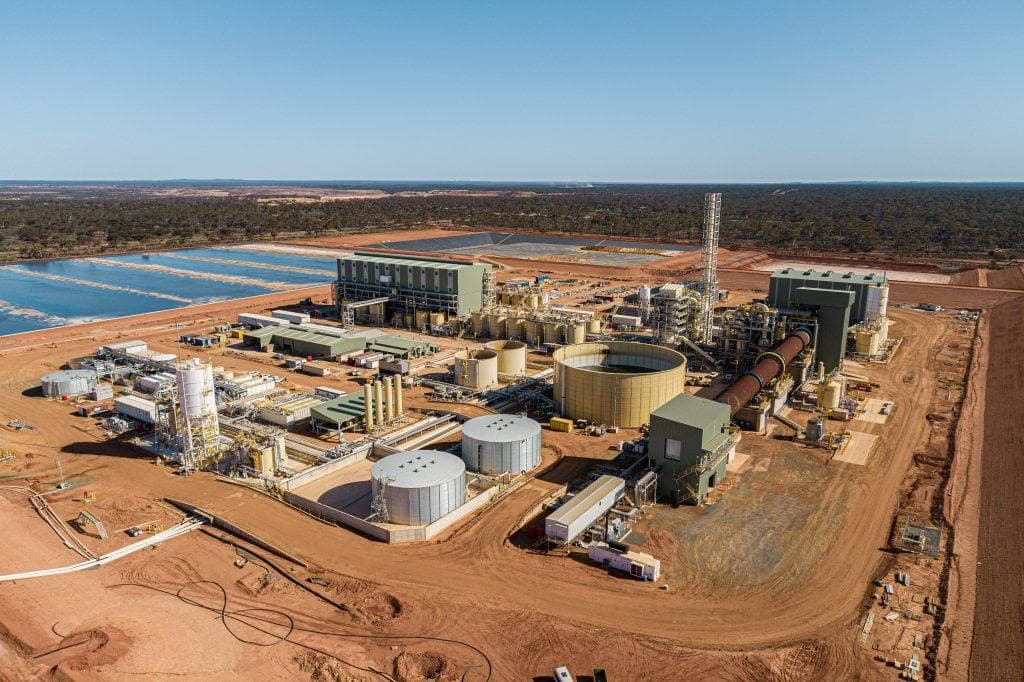
The pact resolves, at least on parchment, the two irritants that dogged the talks for years. Indonesia has long resented European rules that treat its palm oil as an environmental liability, restricting a commodity on which millions of livelihoods depend. Europe, in turn, has fought Indonesian export curbs on nickel, the mineral at the heart of the electric-vehicle batteries central to the continent’s industrial ambitions. The agreement offers each side something it wanted: improved market access for Indonesian goods and steadier terms for European manufacturers hungry for raw materials, wrapped in commitments meant to reconcile trade with sustainability.
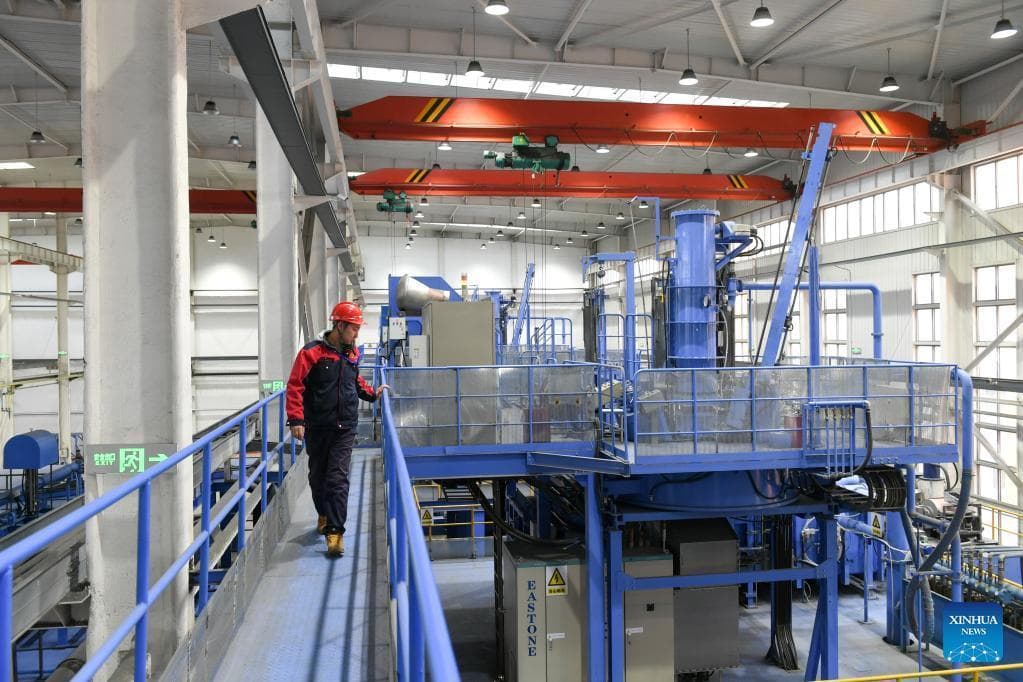
The strategic subtext is unmistakable. For Brussels, the deal is a plank in its long campaign to diversify away from dependence on China, both as a market and as a source of critical inputs. Locking in preferential access to Indonesian nickel is an economic-security move dressed as a trade agreement, a hedge against a supply chain that runs overwhelmingly through Beijing. For Jakarta, the pact is a chance to climb the value chain, attracting European investment in processing rather than remaining a supplier of unrefined ore, and to demonstrate that a non-aligned middle power can strike deals with every bloc at once.
The obstacles are real and unresolved. The agreement must clear ratification by the European Parliament, the Council and Indonesia’s legislature before it takes effect, a gauntlet in which environmental groups and farm lobbies have already signalled resistance. Palm oil remains a lightning rod for European campaigners who fear the deal rewards deforestation, while parts of Indonesian civil society warn that liberalisation could expose domestic producers and lock in an extractive model that benefits foreign capital more than local communities. Full implementation is not expected until 2027, and much can go wrong in the interval.
Defenders of the agreement argue that engagement beats estrangement, that a Europe serious about reducing strategic dependencies cannot afford to lecture Indonesia from the sidelines, and that binding sustainability commitments inside a trade deal offer more leverage than moralising outside one. Critics counter that the same commitments are only as strong as their enforcement, and that Europe has a habit of signing ambitious clauses it later declines to police. Both are right that the text is a beginning rather than a guarantee.
What the deal ultimately reveals is the changing character of European trade policy, now inseparable from questions of security, resilience and industrial survival. Indonesia has become a partner Europe needs more than it once admitted, and the coming ratification fight will show whether the continent’s appetite for strategic diversification can survive contact with its own domestic politics.