August 9, 2026
LATEST
New EU Gas Market Rules Take Effect With Consumer SafeguardsDeforestation Regulation Holds Its December Deadline Despite CutsDigital Omnibus Delays Europe’s High-Risk AI Deadline to 2027Europe’s Schools Confront a Widening Basic Skills GapRule of Law Report Finds Progress but Trust Still LagsIRIS2 Gains 66 Satellites as Brussels Signs the Rollout DealNature Restoration Plans Come Due as Member States Race a DeadlineECB Rates Hold at 2.25 Percent as Frankfurt Waits on the DataEU Budget Talks Turn to Cohesion as Ireland Takes OverWildfire Response Stretches Europe’s Emergency Fleet ThinCan Europe’s Quantum Plan Match Its Big Ambitions?Armenia Edges West as Moscow’s Grip Slips AwayEurope Inherits the World’s Aid Bill It Cannot Fully PayAir Passenger Rights Get Their First Overhaul in Two DecadesErasmus Opens a 5 Billion Euro Round for Skills and MobilityCeuta Crisis Pushes the EU Toward Faster Migrant ReturnsBulky Parcels Face a Packaging Crackdown From August 12Can Europe Build Its Drone Wall Before 2030 Arrives?Indonesia’s Trade Deal With Europe Nears Its Final SignatureEurope Leans on Beijing to Keep Climate Talks Alive Before AntalyaNew EU Gas Market Rules Take Effect With Consumer SafeguardsDeforestation Regulation Holds Its December Deadline Despite CutsDigital Omnibus Delays Europe’s High-Risk AI Deadline to 2027Europe’s Schools Confront a Widening Basic Skills GapRule of Law Report Finds Progress but Trust Still LagsIRIS2 Gains 66 Satellites as Brussels Signs the Rollout DealNature Restoration Plans Come Due as Member States Race a DeadlineECB Rates Hold at 2.25 Percent as Frankfurt Waits on the DataEU Budget Talks Turn to Cohesion as Ireland Takes OverWildfire Response Stretches Europe’s Emergency Fleet ThinCan Europe’s Quantum Plan Match Its Big Ambitions?Armenia Edges West as Moscow’s Grip Slips AwayEurope Inherits the World’s Aid Bill It Cannot Fully PayAir Passenger Rights Get Their First Overhaul in Two DecadesErasmus Opens a 5 Billion Euro Round for Skills and MobilityCeuta Crisis Pushes the EU Toward Faster Migrant ReturnsBulky Parcels Face a Packaging Crackdown From August 12Can Europe Build Its Drone Wall Before 2030 Arrives?Indonesia’s Trade Deal With Europe Nears Its Final SignatureEurope Leans on Beijing to Keep Climate Talks Alive Before Antalya
August 9, 2026
LATEST
New EU Gas Market Rules Take Effect With Consumer SafeguardsDeforestation Regulation Holds Its December Deadline Despite CutsDigital Omnibus Delays Europe’s High-Risk AI Deadline to 2027Europe’s Schools Confront a Widening Basic Skills GapRule of Law Report Finds Progress but Trust Still LagsIRIS2 Gains 66 Satellites as Brussels Signs the Rollout DealNature Restoration Plans Come Due as Member States Race a DeadlineECB Rates Hold at 2.25 Percent as Frankfurt Waits on the DataEU Budget Talks Turn to Cohesion as Ireland Takes OverWildfire Response Stretches Europe’s Emergency Fleet ThinCan Europe’s Quantum Plan Match Its Big Ambitions?Armenia Edges West as Moscow’s Grip Slips AwayEurope Inherits the World’s Aid Bill It Cannot Fully PayAir Passenger Rights Get Their First Overhaul in Two DecadesErasmus Opens a 5 Billion Euro Round for Skills and MobilityCeuta Crisis Pushes the EU Toward Faster Migrant ReturnsBulky Parcels Face a Packaging Crackdown From August 12Can Europe Build Its Drone Wall Before 2030 Arrives?Indonesia’s Trade Deal With Europe Nears Its Final SignatureEurope Leans on Beijing to Keep Climate Talks Alive Before AntalyaNew EU Gas Market Rules Take Effect With Consumer SafeguardsDeforestation Regulation Holds Its December Deadline Despite CutsDigital Omnibus Delays Europe’s High-Risk AI Deadline to 2027Europe’s Schools Confront a Widening Basic Skills GapRule of Law Report Finds Progress but Trust Still LagsIRIS2 Gains 66 Satellites as Brussels Signs the Rollout DealNature Restoration Plans Come Due as Member States Race a DeadlineECB Rates Hold at 2.25 Percent as Frankfurt Waits on the DataEU Budget Talks Turn to Cohesion as Ireland Takes OverWildfire Response Stretches Europe’s Emergency Fleet ThinCan Europe’s Quantum Plan Match Its Big Ambitions?Armenia Edges West as Moscow’s Grip Slips AwayEurope Inherits the World’s Aid Bill It Cannot Fully PayAir Passenger Rights Get Their First Overhaul in Two DecadesErasmus Opens a 5 Billion Euro Round for Skills and MobilityCeuta Crisis Pushes the EU Toward Faster Migrant ReturnsBulky Parcels Face a Packaging Crackdown From August 12Can Europe Build Its Drone Wall Before 2030 Arrives?Indonesia’s Trade Deal With Europe Nears Its Final SignatureEurope Leans on Beijing to Keep Climate Talks Alive Before Antalya

North Korea’s Russia Bet Leaves Europe Searching for Leverage

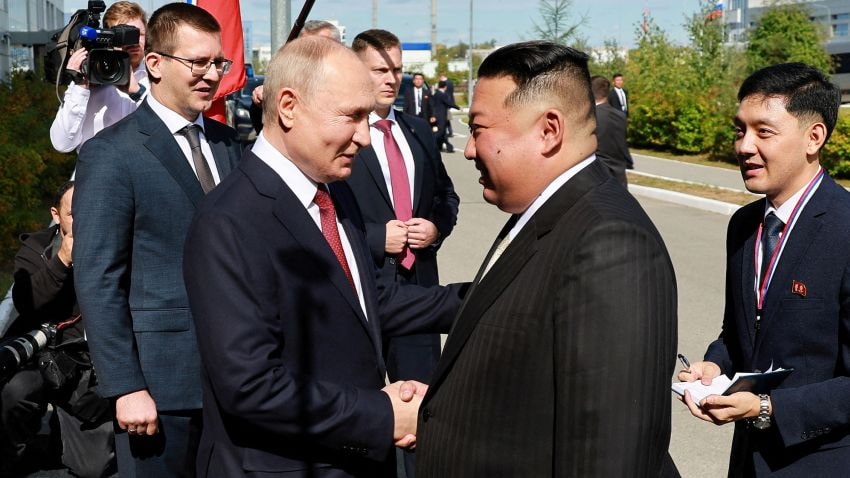
Brussels: Europe’s policy toward North Korea was already thin. The war in Ukraine has now exposed just how little leverage the bloc retains over a state that has chosen Moscow as its strategic lifeline. With Pyongyang supplying troops and munitions to Russia’s war effort, the European Union finds itself reacting to a relationship it can sanction but cannot shape.

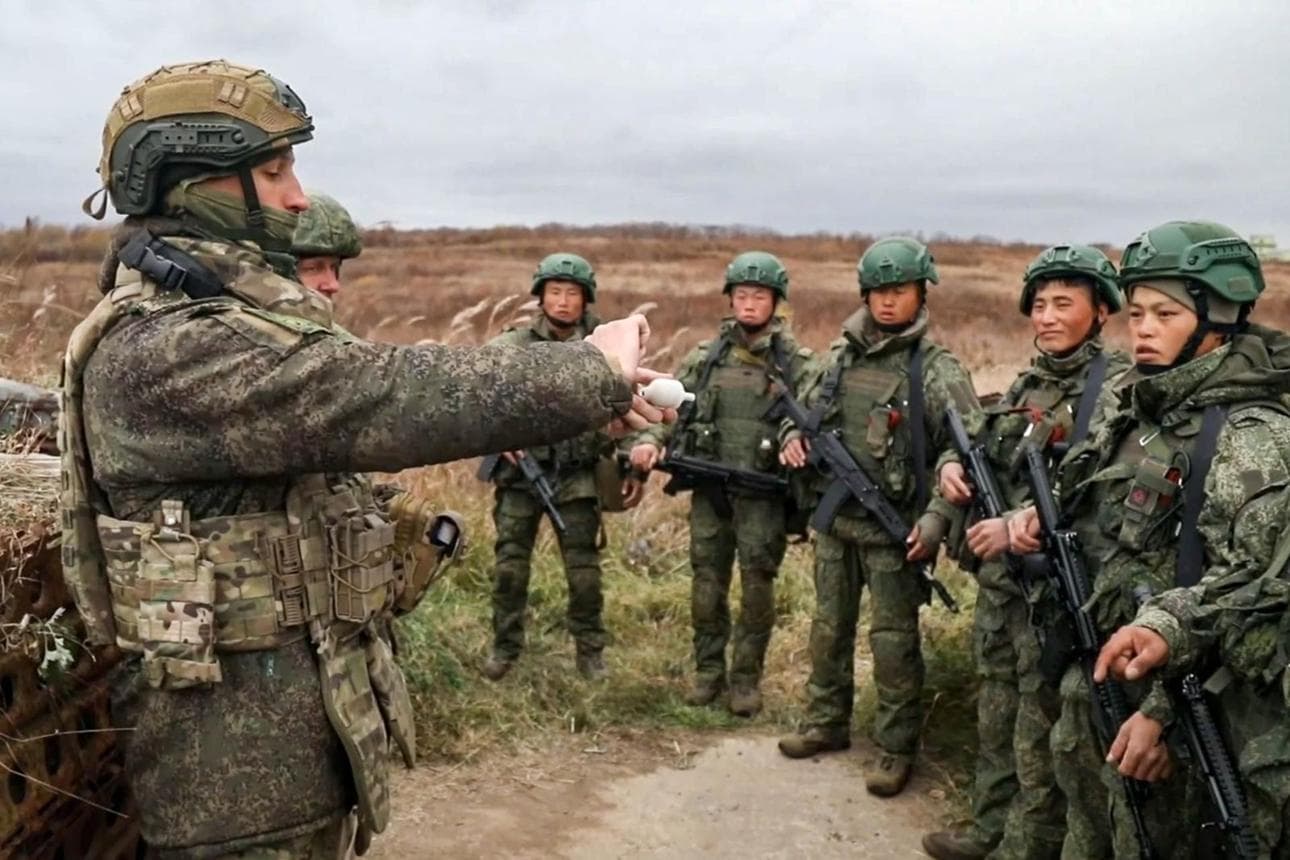
The numbers are stark. By the end of last year North Korea had reportedly sent multiple troop deployments to Russia totalling more than twenty thousand personnel, alongside large transfers of artillery shells and missiles. In April, Russia’s defence minister travelled to Pyongyang to negotiate military cooperation stretching into the next decade, building on the mutual defence treaty the two signed in 2024. For Brussels, this is no longer a distant proliferation concern. It is a direct input into a war on Europe’s own continent.

The EU’s response has run through its sanctions machinery. Its latest package of restrictive measures against Russia, the twentieth, tightened the screws on energy revenues and on the logistical and financial networks that help Moscow evade earlier rounds. Separate listings have targeted companies and individuals involved in shipping North Korean arms to Russia, reaching as high as the DPRK defence minister. Each measure is defensible on its own terms. Together they amount to a policy of attrition rather than persuasion.

That is the uncomfortable core of the European position. Sanctions raise the cost of the Pyongyang-Moscow axis at the margins, but they do nothing to offer North Korea an alternative path. The deeper the dependence on Russia grows, the less any European inducement is likely to register. A regime that receives energy, food and military technology from a permanent member of the Security Council has little reason to court a bloc whose main instrument is denial.

Some European analysts argue this is precisely the moment to rethink engagement. The case runs as follows: as North Korea binds itself ever more tightly to Moscow, Europe should explore low-risk channels, humanitarian, academic or diplomatic, that might over time offer Pyongyang something to weigh against total dependence. The aim would not be to reward bad behaviour but to keep open the possibility of influence for a future when the strategic weather changes.

The counterargument is equally serious. Engagement without leverage risks legitimising a government actively contributing to the killing of Ukrainians, and any opening could be read in Pyongyang and Moscow as a crack in Western resolve. Member states most exposed to the Russian threat are in no mood for gestures that could be spun as appeasement, and the politics of reaching out to a regime arming Russia are forbidding.

Caught between these poles, Brussels has defaulted to the safer option of doing more of what it already does. That is understandable, but it is not a strategy. A serious European approach would at minimum coordinate closely with South Korea and Japan, both of which have their own stakes and their own channels, and would define what, if anything, the EU wants from North Korea beyond the absence of provocation. Until it answers that question, Europe will keep issuing sanctions into a relationship that has stopped listening.