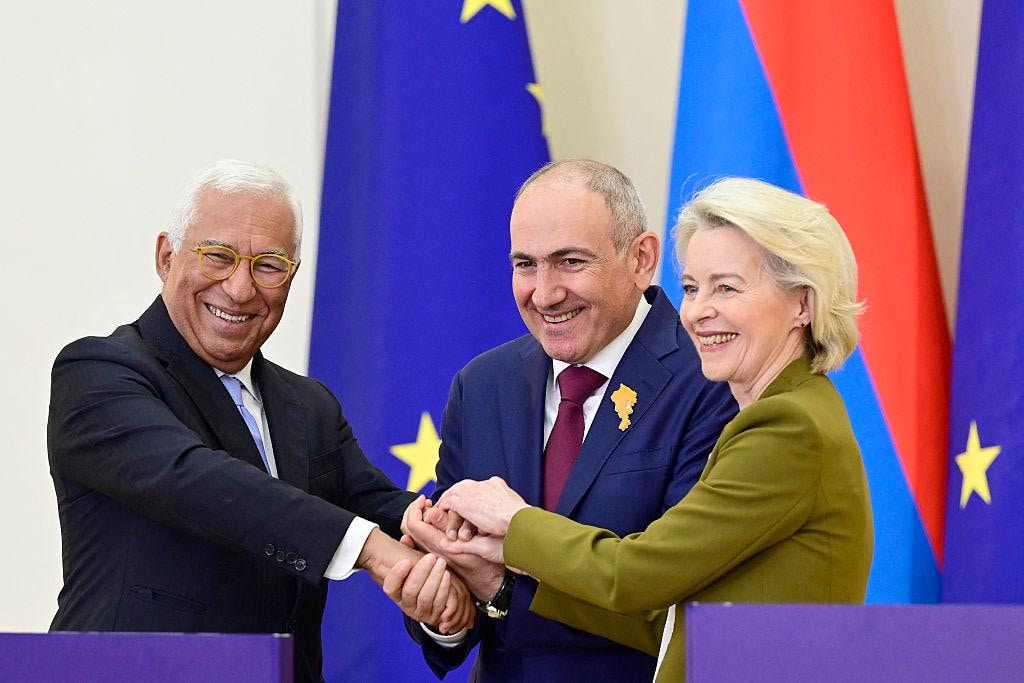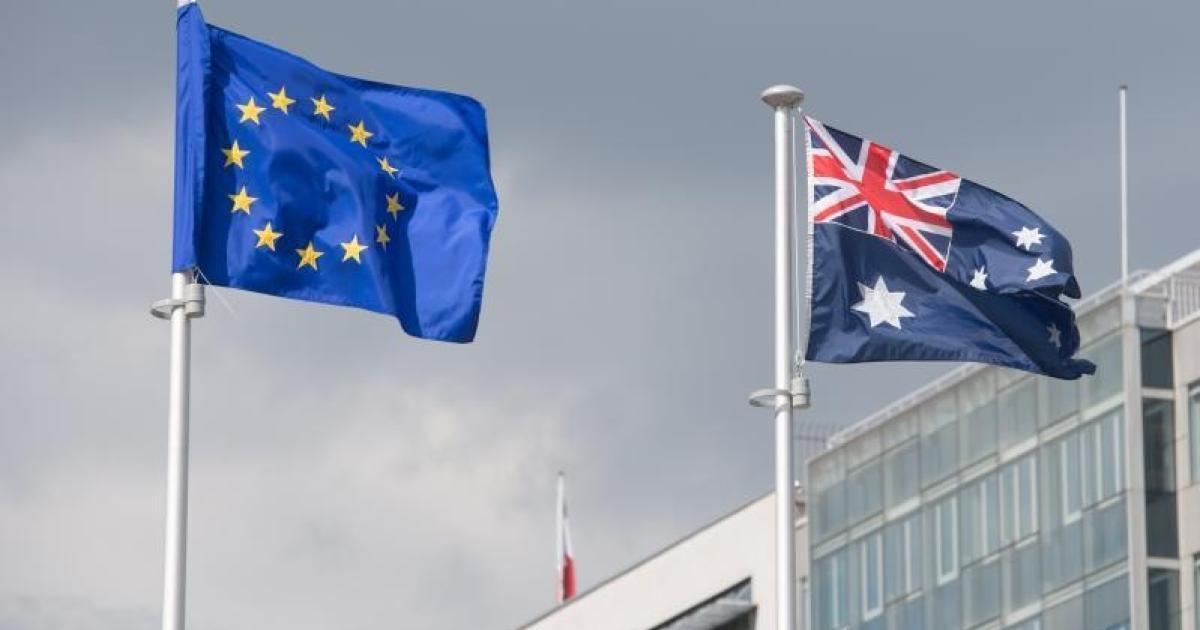
Canberra: After eight years of stop-start negotiations, the European Union and Australia closed their free trade agreement on 24 March 2026. The political handshake between Prime Minister Anthony Albanese and Commission President Ursula von der Leyen ended a process that twice broke down over agricultural access. With negotiation concluded, the file now enters the slower terrain of legal scrubbing, translation into the EU’s twenty-four working languages, signature, and ratification, a sequence that typically consumes twelve to eighteen months even when capitals are aligned.
The headline numbers are politically neat. Around 98 percent of Australia’s current export value to the EU will eventually move duty-free, and the bloc has secured tariff elimination on more than 99 percent of its exports to Australian markets. But the figures conceal the friction that always lay underneath these talks. Beef, sheep meat, dairy, and sugar quotas were the recurring choke points. The final architecture relies on tariff-rate quotas that climb in tranches rather than the immediate liberalisation Canberra initially wanted, with sensitive products quarantined into long phase-in periods that mirror what Brussels offered Mercosur.
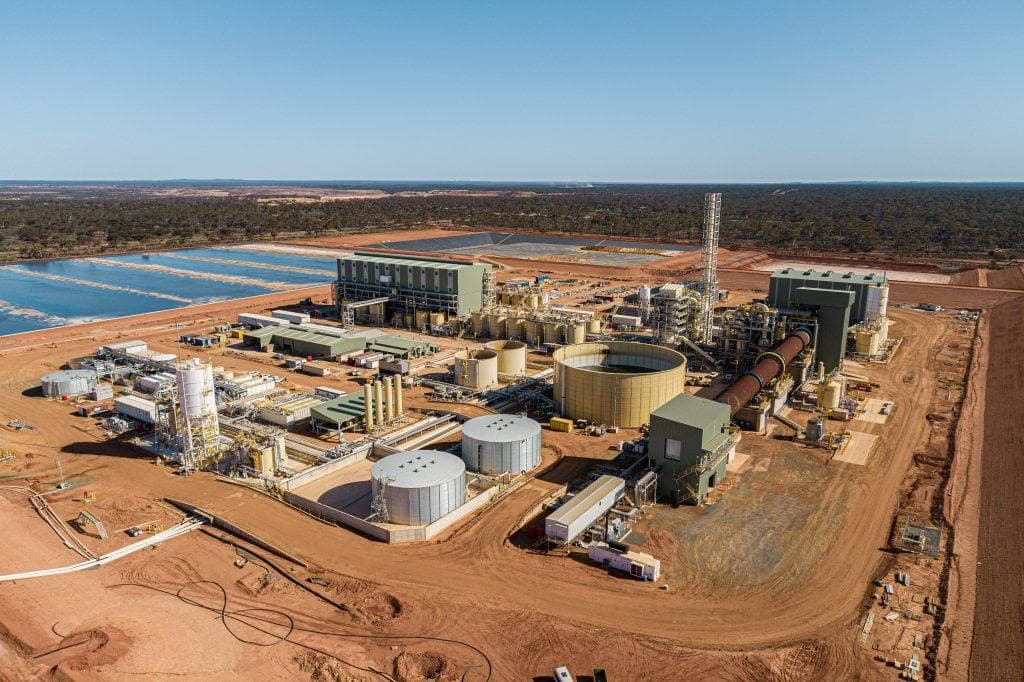
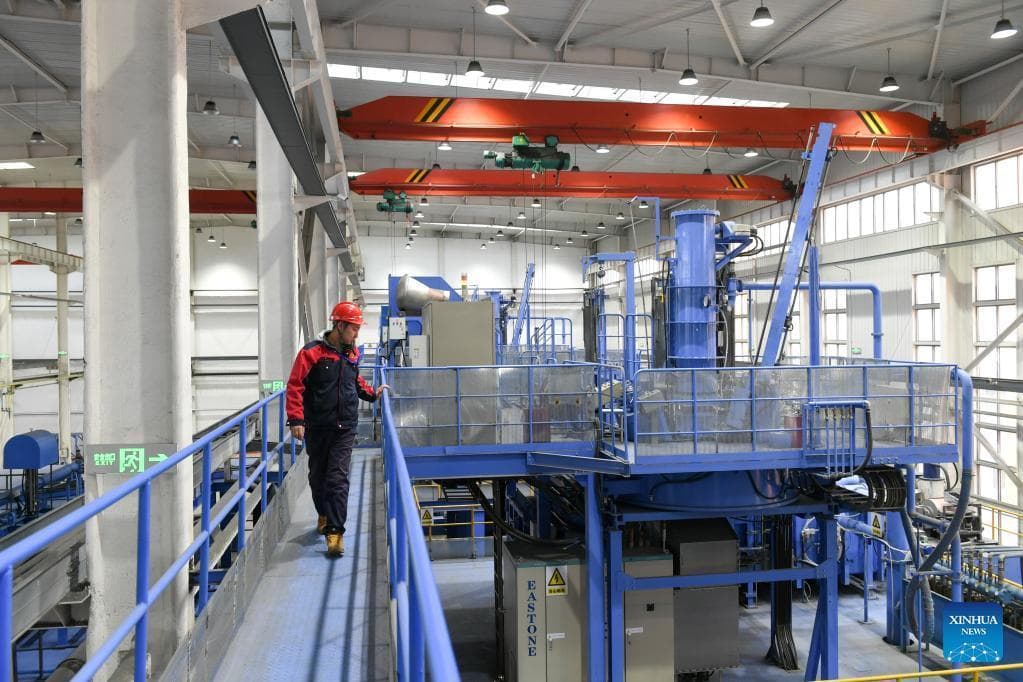
For Brussels, the strategic case has always run alongside the commercial one. Australia sits at the seam of the Indo-Pacific architecture the EU has been trying to thicken since the 2021 strategy. Critical minerals, lithium, cobalt, and rare earth elements give the agreement a supply chain rationale that did not feature in earlier rounds, especially after the Commission’s RESourceEU action plan elevated stockpiling and joint procurement to operational status. Tariff elimination is the surface gain. The deeper deliverable is a framework for cooperation on processing capacity inside Australia that could give European industry a structured alternative to the Chinese rare earth refining chokehold.
A novel piece of the deal is the four-year professional mobility provision, which gives covered service professionals streamlined working arrangements between the two markets. For Brussels, that chapter doubles as a template for how mobility commitments can travel in subsequent EU trade files without forcing changes to migration law. It also makes the agreement more tangible for European service exporters who have historically gained less from EU bilateral deals than their goods-sector counterparts.
The ratification timetable is the real test. The signing window has slipped into late 2026 or early 2027. The European Parliament will scrutinise the sustainability chapter, labour rights, climate commitments, and the rules around agricultural protections, and at least one national parliament inside the EU is likely to use the file to push on broader trade defence questions. In Australia, the parliamentary treaties process can extend twelve months further before the agreement enters into force. None of this is unusual. It simply means the celebratory phase ends now and the technical phase begins.
What changes for industry once the deal does land. Australian producers gain duty-free access to a market of 450 million consumers, with sectoral wins for processed foods, wine, leather, and seafood. European exporters of machinery, chemicals, and vehicles see Australian tariffs that climb up to five percent disappear. Geographical indications, a chronic point of friction, were resolved with a managed list rather than a blanket recognition, which is unlikely to satisfy southern European producers entirely but should hold politically.
The agreement will not change Australia’s largest trading partner, which remains China by a wide margin. But for both sides this file was never primarily about displacing existing flows. It was about giving European firms a structured alternative in the Indo-Pacific and giving Canberra a way to anchor its de-risking strategy in a legally binding framework. The next eighteen months will reveal whether the political appetite for ratification holds across twenty-seven capitals or whether the file becomes another test of the EU’s capacity to close what its leaders have promised.