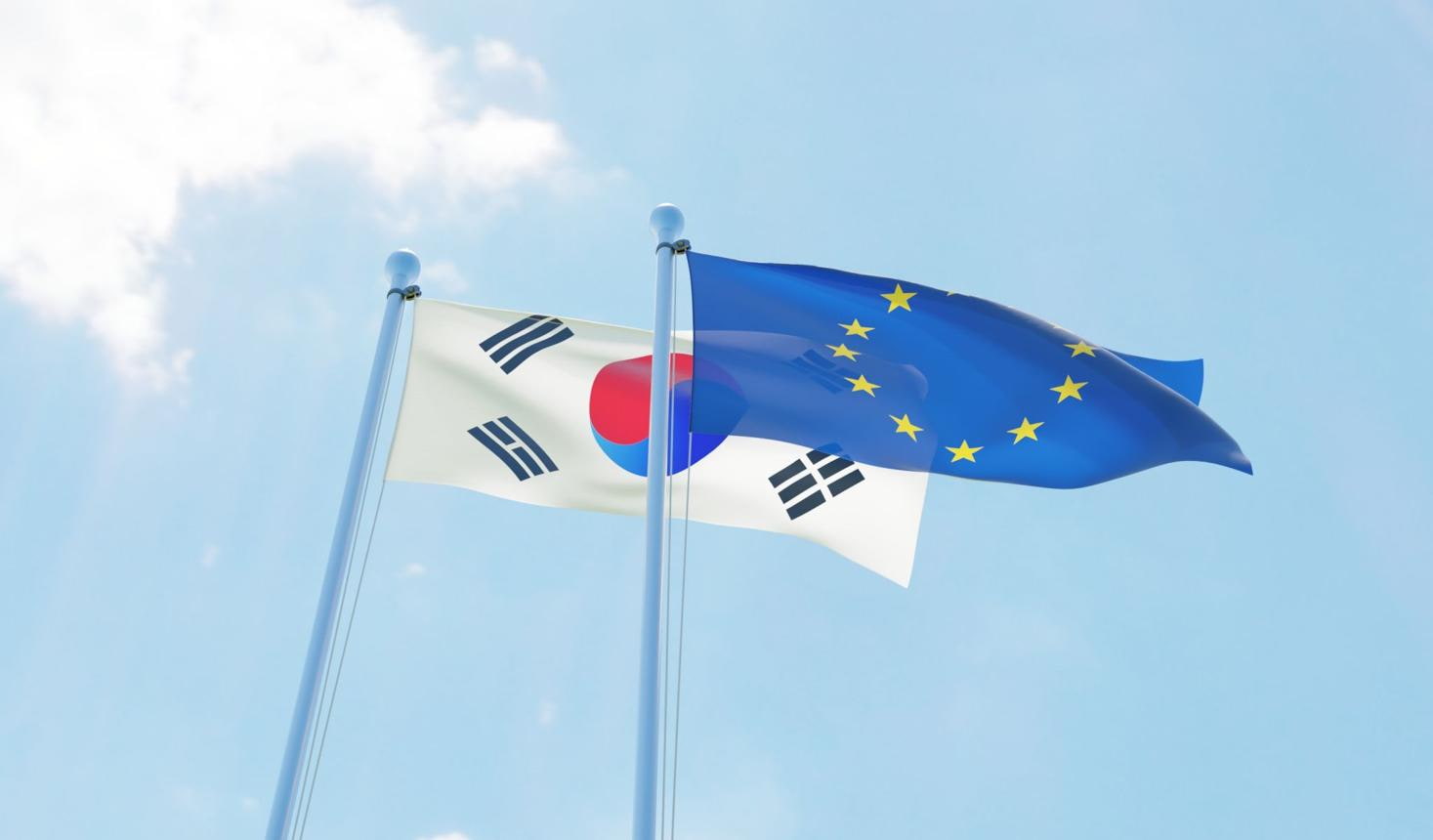
Brussels: When European and South Korean leaders gathered in the Belgian capital on 10 June, the substance mattered more than the choreography. The eleventh EU–Republic of Korea summit could have read as a routine entry in a crowded diplomatic calendar. Instead it arrived at a moment when both partners are reorganising their foreign policy around a single anxiety: that the technologies and supply chains underpinning modern economies have quietly become instruments of pressure.
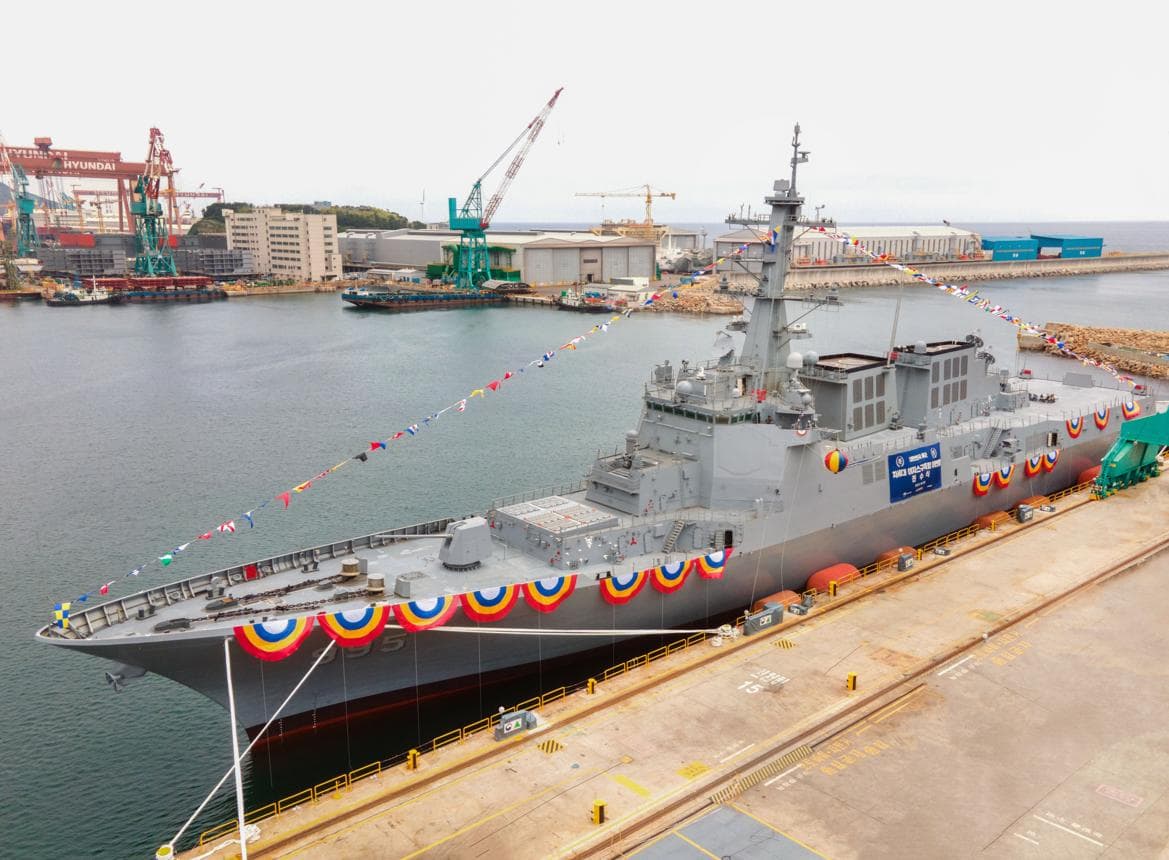
The centrepiece was an agreement to begin work on a Future Strategic Partnership, a framework meant to bind the two sides across trade, technology and security rather than managing each as a separate file. It builds on a security and defence partnership signed in late 2024 that covers maritime security, cyber defence, space, counter-disinformation and non-proliferation—an unusually broad agenda for two actors separated by nine time zones and no shared border.
Economics did much of the heavy lifting. Brussels and Seoul earlier this spring finalised the text of a Digital Trade Agreement, designed to lock in rules on data flows, online consumer protection and the free movement of software across one of the world’s busiest technology corridors. Layered onto an existing free trade deal that has governed goods since 2011, the new accord signals that the relationship’s next phase will be fought over bytes rather than tariffs.
Behind the communiqué language sits a harder logic. South Korea is a semiconductor superpower whose firms anchor the most advanced links of the global chip chain, while Europe controls critical pieces of the equipment that makes those chips possible. Both depend heavily on a small number of suppliers for the raw materials, batteries and components that feed clean-energy and defence industries. Pooling that exposure—on critical raw materials, battery supply and advanced manufacturing—is now treated in both capitals as a security question, not merely a commercial one.
There are limits to the embrace. Seoul remains wary of antagonising China, its largest trading partner, and has no appetite for a formal bloc aimed at Beijing. European negotiators, for their part, must reconcile warm words with a defence-industrial base that still prefers to buy and build at home. The summit produced intentions and working groups rather than binding commitments, and the gap between a strategic partnership announced and one actually delivered can be measured in years.
Yet the direction is unmistakable. A decade ago, Europe treated Indo-Pacific democracies as distant trading counterparts; today it courts them as hedges against a more transactional world. For South Korea, anchored beside a nuclear-armed neighbour and increasingly nervous about American constancy, a deeper European relationship offers insurance of its own. The two sides left Brussels having agreed less on specifics than on a shared premise: that resilience is now something partners build together, or not at all.