August 9, 2026
LATEST
New EU Gas Market Rules Take Effect With Consumer SafeguardsDeforestation Regulation Holds Its December Deadline Despite CutsDigital Omnibus Delays Europe’s High-Risk AI Deadline to 2027Europe’s Schools Confront a Widening Basic Skills GapRule of Law Report Finds Progress but Trust Still LagsIRIS2 Gains 66 Satellites as Brussels Signs the Rollout DealNature Restoration Plans Come Due as Member States Race a DeadlineECB Rates Hold at 2.25 Percent as Frankfurt Waits on the DataEU Budget Talks Turn to Cohesion as Ireland Takes OverWildfire Response Stretches Europe’s Emergency Fleet ThinCan Europe’s Quantum Plan Match Its Big Ambitions?Armenia Edges West as Moscow’s Grip Slips AwayEurope Inherits the World’s Aid Bill It Cannot Fully PayAir Passenger Rights Get Their First Overhaul in Two DecadesErasmus Opens a 5 Billion Euro Round for Skills and MobilityCeuta Crisis Pushes the EU Toward Faster Migrant ReturnsBulky Parcels Face a Packaging Crackdown From August 12Can Europe Build Its Drone Wall Before 2030 Arrives?Indonesia’s Trade Deal With Europe Nears Its Final SignatureEurope Leans on Beijing to Keep Climate Talks Alive Before AntalyaNew EU Gas Market Rules Take Effect With Consumer SafeguardsDeforestation Regulation Holds Its December Deadline Despite CutsDigital Omnibus Delays Europe’s High-Risk AI Deadline to 2027Europe’s Schools Confront a Widening Basic Skills GapRule of Law Report Finds Progress but Trust Still LagsIRIS2 Gains 66 Satellites as Brussels Signs the Rollout DealNature Restoration Plans Come Due as Member States Race a DeadlineECB Rates Hold at 2.25 Percent as Frankfurt Waits on the DataEU Budget Talks Turn to Cohesion as Ireland Takes OverWildfire Response Stretches Europe’s Emergency Fleet ThinCan Europe’s Quantum Plan Match Its Big Ambitions?Armenia Edges West as Moscow’s Grip Slips AwayEurope Inherits the World’s Aid Bill It Cannot Fully PayAir Passenger Rights Get Their First Overhaul in Two DecadesErasmus Opens a 5 Billion Euro Round for Skills and MobilityCeuta Crisis Pushes the EU Toward Faster Migrant ReturnsBulky Parcels Face a Packaging Crackdown From August 12Can Europe Build Its Drone Wall Before 2030 Arrives?Indonesia’s Trade Deal With Europe Nears Its Final SignatureEurope Leans on Beijing to Keep Climate Talks Alive Before Antalya
August 9, 2026
LATEST
New EU Gas Market Rules Take Effect With Consumer SafeguardsDeforestation Regulation Holds Its December Deadline Despite CutsDigital Omnibus Delays Europe’s High-Risk AI Deadline to 2027Europe’s Schools Confront a Widening Basic Skills GapRule of Law Report Finds Progress but Trust Still LagsIRIS2 Gains 66 Satellites as Brussels Signs the Rollout DealNature Restoration Plans Come Due as Member States Race a DeadlineECB Rates Hold at 2.25 Percent as Frankfurt Waits on the DataEU Budget Talks Turn to Cohesion as Ireland Takes OverWildfire Response Stretches Europe’s Emergency Fleet ThinCan Europe’s Quantum Plan Match Its Big Ambitions?Armenia Edges West as Moscow’s Grip Slips AwayEurope Inherits the World’s Aid Bill It Cannot Fully PayAir Passenger Rights Get Their First Overhaul in Two DecadesErasmus Opens a 5 Billion Euro Round for Skills and MobilityCeuta Crisis Pushes the EU Toward Faster Migrant ReturnsBulky Parcels Face a Packaging Crackdown From August 12Can Europe Build Its Drone Wall Before 2030 Arrives?Indonesia’s Trade Deal With Europe Nears Its Final SignatureEurope Leans on Beijing to Keep Climate Talks Alive Before AntalyaNew EU Gas Market Rules Take Effect With Consumer SafeguardsDeforestation Regulation Holds Its December Deadline Despite CutsDigital Omnibus Delays Europe’s High-Risk AI Deadline to 2027Europe’s Schools Confront a Widening Basic Skills GapRule of Law Report Finds Progress but Trust Still LagsIRIS2 Gains 66 Satellites as Brussels Signs the Rollout DealNature Restoration Plans Come Due as Member States Race a DeadlineECB Rates Hold at 2.25 Percent as Frankfurt Waits on the DataEU Budget Talks Turn to Cohesion as Ireland Takes OverWildfire Response Stretches Europe’s Emergency Fleet ThinCan Europe’s Quantum Plan Match Its Big Ambitions?Armenia Edges West as Moscow’s Grip Slips AwayEurope Inherits the World’s Aid Bill It Cannot Fully PayAir Passenger Rights Get Their First Overhaul in Two DecadesErasmus Opens a 5 Billion Euro Round for Skills and MobilityCeuta Crisis Pushes the EU Toward Faster Migrant ReturnsBulky Parcels Face a Packaging Crackdown From August 12Can Europe Build Its Drone Wall Before 2030 Arrives?Indonesia’s Trade Deal With Europe Nears Its Final SignatureEurope Leans on Beijing to Keep Climate Talks Alive Before Antalya

Seoul and Brussels Finalise Digital Trade Agreement Text

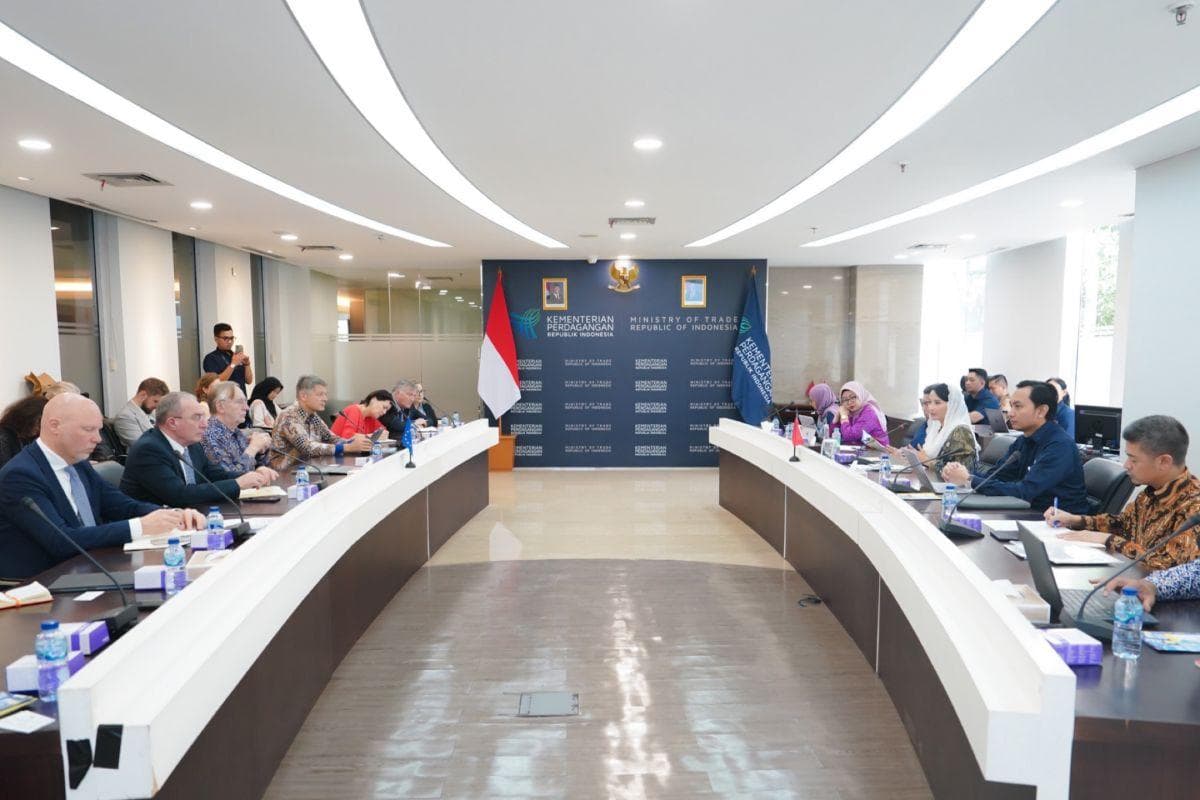
Brussels: Seoul and Brussels reached a milestone in their bilateral economic architecture this spring when Commissioner for Trade and Economic Security Maroš Šefčovič and Korean Trade Minister Yeo Han-koo endorsed the final text of the EU-Korea Digital Trade Agreement. The endorsement took place alongside the thirteenth meeting of the EU-Republic of Korea FTA Trade Committee and the inaugural Strategic Dialogue on Trade, Supply Chains and Technology — three parallel processes that collectively define the most substantive reworking of the bilateral relationship since the 2011 Free Trade Agreement entered into force.

The Digital Trade Agreement is consequential on its own terms. It establishes binding commitments on cross-border data flows, prohibits forced data localisation outside narrowly defined public-interest exceptions, and bans demands for source-code disclosure as a precondition for market access. For European software, fintech and industrial digital services exporters, the agreement removes a category of regulatory uncertainty that has limited Korean market entry. For Korean firms operating in cloud, semiconductor design tools and platform services, it confirms predictable conditions across the EU single market.

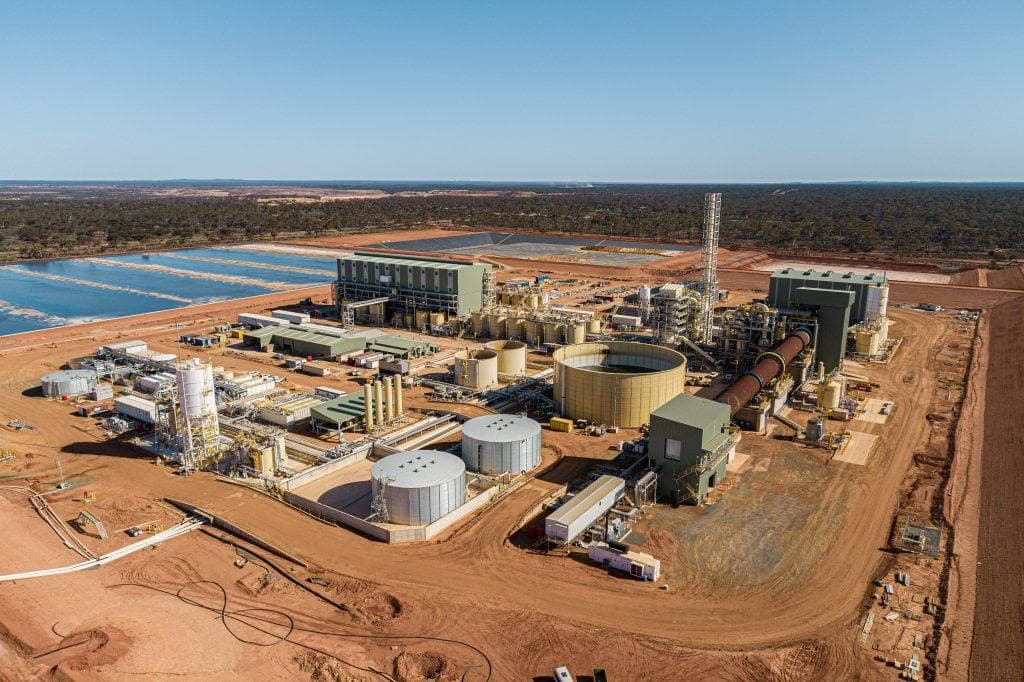
The Strategic Dialogue extends well beyond digital commerce. It frames a forward agenda on critical raw materials, where Korea’s processing capacity in lithium-ion battery precursors makes it indispensable to European industrial planning under the Critical Raw Materials Act. It addresses advanced semiconductor supply chains, where Korean foundries are central to European automotive, defence and telecommunications industries. And it formalises battery cooperation through joint research programmes, supply-chain monitoring and coordinated screening of inbound investments in sensitive segments.

The numbers attached to the relationship are striking. Bilateral trade reached €124 billion in 2025, with the European Union remaining by far the largest source of inward foreign direct investment into Korea. European automotive, pharmaceutical and luxury-goods exporters have used the FTA as a gateway to broader East Asian distribution, while Korean conglomerates have anchored major battery, semiconductor and shipbuilding investments in Hungary, Poland, Germany and Spain. The Commission expects the Digital Trade Agreement to add measurable services trade growth on top of an already mature goods-trade base.

Šefčovič and Yeo also agreed to launch preparatory work for an EU-Korea Future Strategic Partnership, intended for signature at the EU-Korea Summit later in 2026. The framing positions Korea alongside Japan as one of two Indo-Pacific democracies with which the European Union maintains a fully developed strategic partnership covering trade, technology, security and global governance. The Future Strategic Partnership document is expected to set out a horizon of around a decade and to consolidate disparate workstreams under a single political umbrella.

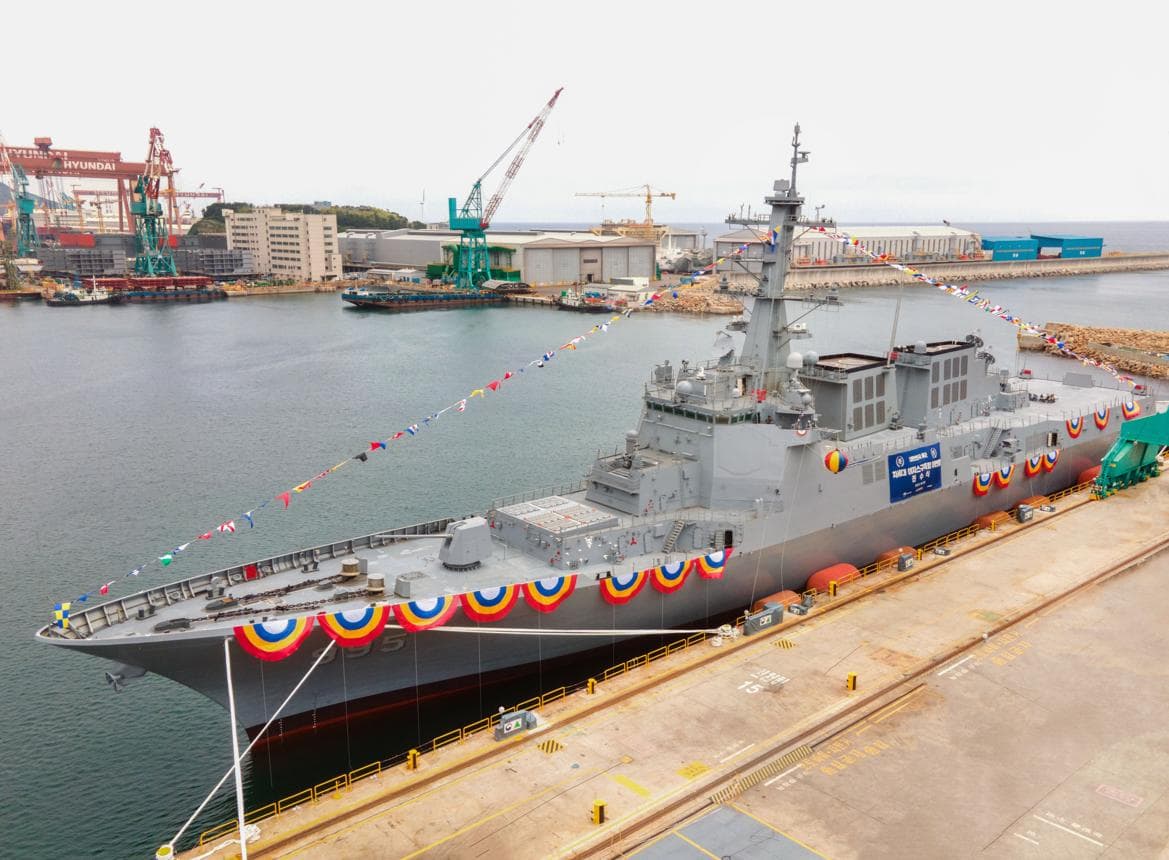
The defence dimension underwrites the economic conversation. Korea’s emergence as a major arms exporter has reshaped European procurement patterns. Poland’s purchases of K2 tanks, K9 howitzers, FA-50 light combat aircraft and Chunmoo rocket launchers represent the largest non-NATO defence transaction Europe has recorded in a generation. Romania, Norway and Estonia have followed with their own Korean acquisitions. The Security and Defence Partnership signed in November 2024 provides the institutional framework, while the commercial flows are setting the pace.

What is taking shape is therefore not a single agreement but a layered architecture. Trade, digital regulation, supply-chain governance, defence industrial cooperation and strategic dialogue are being integrated rather than negotiated in isolation. Brussels and Seoul appear committed to a relationship in which economic interdependence and security alignment reinforce each other rather than competing for political bandwidth.