Sudan’s Forgotten War Tests Europe’s Aid Ambitions
Sara El-Sayed
Associate Researcher, Research and Innovation
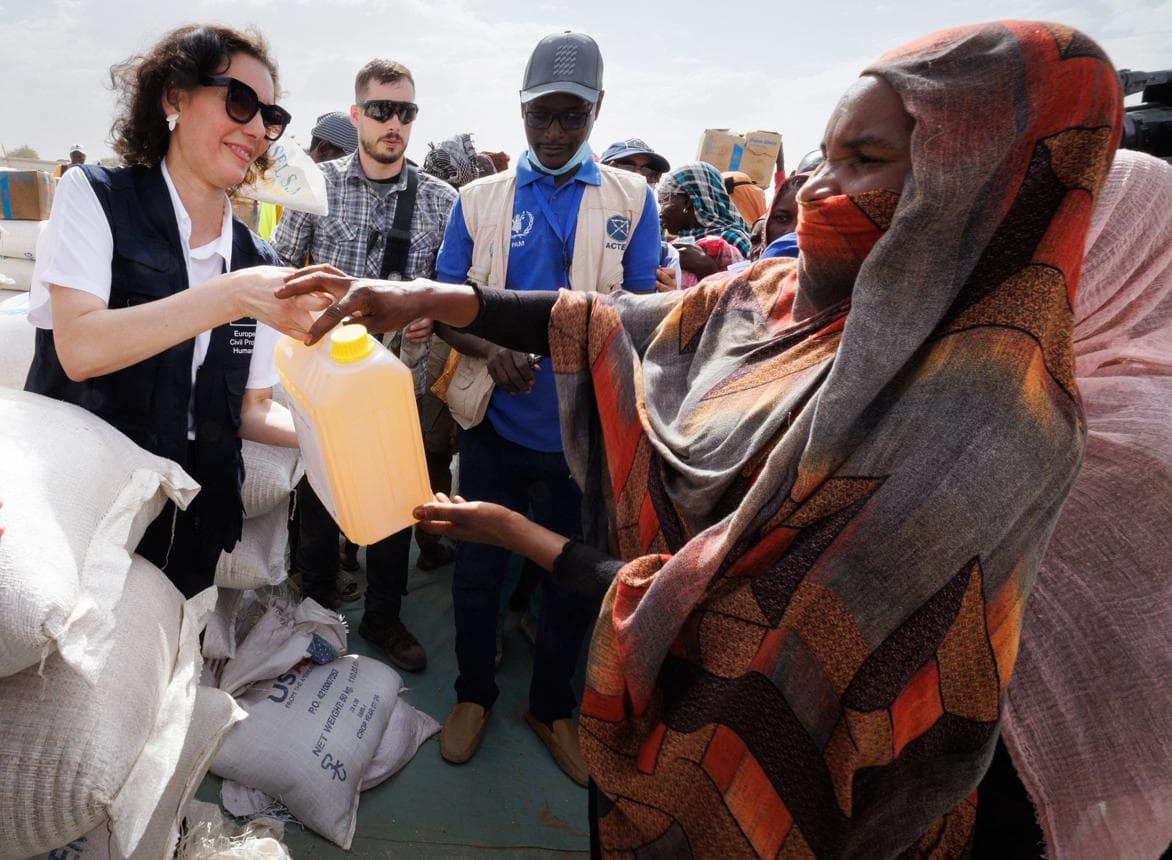
Khartoum: While Europe’s attention fixes on Ukraine and the Middle East, the world’s largest humanitarian catastrophe is unfolding largely unwatched in Sudan, and the European Union’s response is being measured against the gap between its rhetoric and its wallet.\n\nThe war between the Sudanese Armed Forces and the paramilitary Rapid Support Forces, now grinding into its third year since erupting in April 2023, has displaced more people than any conflict on earth. United Nations agencies count well over ten million people forced from their homes inside Sudan, with millions more spilling into Chad, Egypt and South Sudan. Famine has been confirmed in displacement camps in Darfur, and aid agencies warn that the siege of El Fasher and the collapse of the harvest could push the death toll into territory not seen this century.\n\nBrussels has tried to lead. At a pledging conference in April, the EU and its member states promised more than 812 million euros for Sudan and its neighbours, with the European Commission alone committing some 360 million euros, split between assistance inside the country and support for the regional refugee crisis. Crisis Management Commissioner Hadja Lahbib has made repeated appeals for both access and money, casting Sudan as a test of whether the international system can still mobilise for a crisis that generates few European refugees and little domestic political pressure.\n\nThat is the uncomfortable core of the problem. Sudan does not command headlines, and humanitarian budgets across the West are under strain as governments redirect spending toward defence and toward conflicts closer to home. Pledges, however generous on paper, consistently fall short of the United Nations appeal, and the money that is promised arrives slowly. Aid workers describe a funding architecture that rewards visibility, and Sudan has little of it.\n\nAccess is the second wall. Both warring parties have weaponised aid, blocking convoys, looting warehouses and turning bureaucratic permits into instruments of war. European money cannot feed people it cannot reach, and Brussels has limited leverage over commanders who answer to no one and who are bankrolled by outside patrons in the Gulf and beyond. The EU’s own quiet courtship of those same patrons, even as it decries the war they help fuel, exposes a contradiction at the heart of its foreign policy.\n\nThere is also a strategic dimension that Brussels prefers to discuss in private. A Sudan in freefall feeds migration pressures that eventually reach the Mediterranean, destabilises a fragile Sahel, and hands influence to Russian and Gulf actors maneuvering for gold and ports on the Red Sea. Humanitarian aid, in this reading, is also cheap insurance against costlier crises later.\n\nThe forward question is whether Europe will treat Sudan as a genuine priority or as a line item to be defended at conferences and then forgotten. The instruments exist: emergency funding, diplomatic weight at the United Nations, and influence over the regional powers feeding the war. What has been missing is sustained political attention. A famine does not wait for a news cycle, and the credibility of Europe’s claim to be a humanitarian superpower will be judged not in Brussels press rooms but in the camps of Darfur, where the gap between a pledge and a meal is measured in lives.