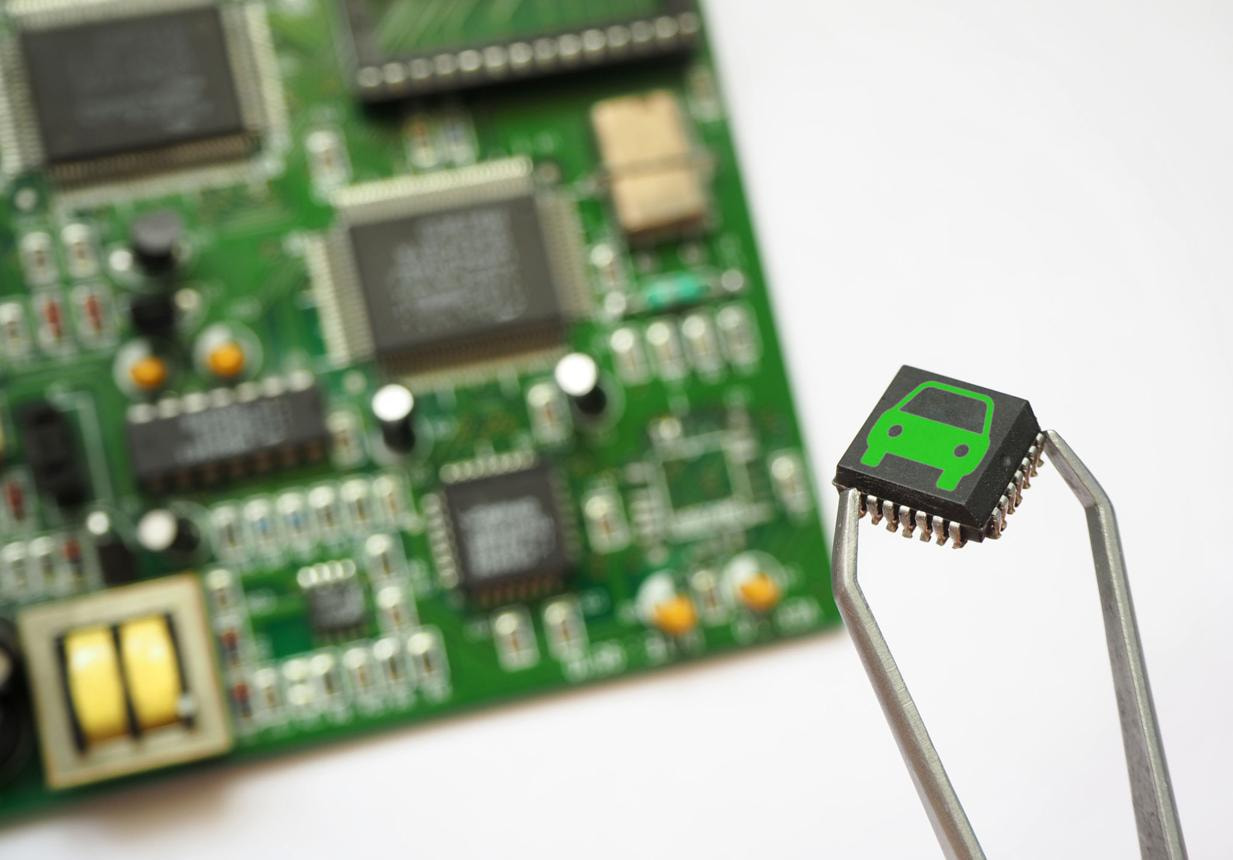
Eindhoven: The most consequential chips in Europe’s economy are not the cutting-edge processors that dominate headlines and export-control fights. They are the humble, mature semiconductors etched on older production lines, the unglamorous components that switch power in a car, regulate a washing machine, steady a pacemaker or guide a missile. Europe is now waking up to how many of them come from China, and to how little it understands the risk.
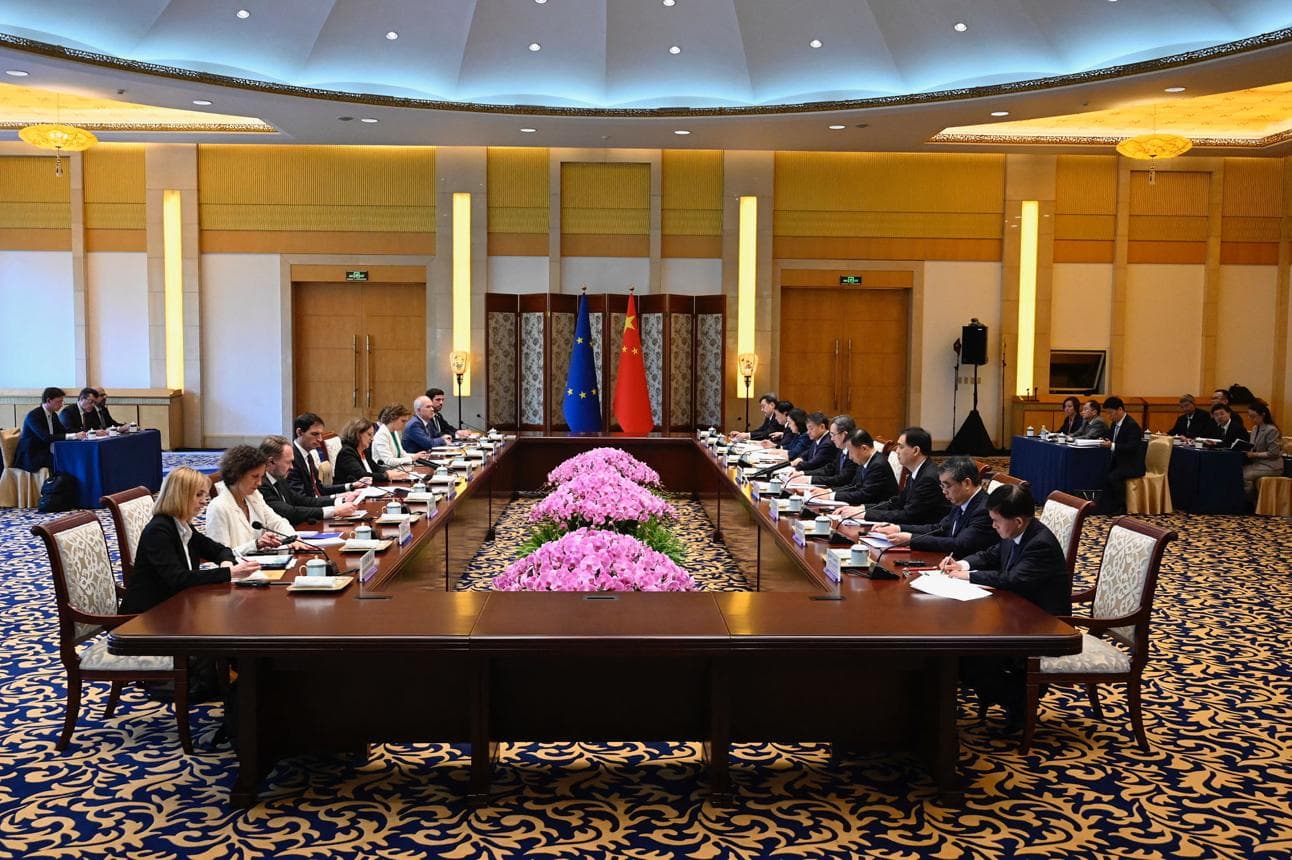
The European Commission has launched a survey of businesses to map the bloc’s reliance on these so-called legacy chips, mirroring an inquiry begun earlier in the United States. The exercise is deliberately diagnostic rather than punitive, an attempt to gather evidence of market distortion before deciding what, if anything, to do about it. But the questions it asks reveal the anxiety beneath. How dependent are European carmakers, defence contractors and appliance manufacturers on Chinese-made mature chips? And how exposed would they be if Beijing chose to turn that dependence into leverage?
The economics are stark. Europe consumes far more legacy chips than it produces, and the gap is widening. By the end of the decade the continent’s shortfall could reach several million wafers a year, even after the new fabrication plants subsidised under Europe’s Chips Act come online. China, meanwhile, has poured state money into exactly this segment, building enormous capacity in mature nodes that the rest of the world had treated as a commodity afterthought. The result is a flood of cheap, heavily subsidised Chinese chips that European firms are happy to buy and increasingly unable to do without.
That is the trap. Unlike the rare-earth and advanced-chip disputes, where the danger is a sudden cut-off, the legacy-chip problem creeps in through ordinary commercial logic. Each procurement officer who chooses the cheapest reliable supplier is acting rationally; the aggregate is a strategic dependency that no single decision created and no single decision can reverse. Brussels fears a repeat of the lesson it learned with Russian gas, that cheapness is a form of capture, and that the bill for ignoring it arrives at the worst possible moment.
What Europe can do about it is genuinely hard. Tariffs on Chinese chips would raise costs across an industrial base already struggling with energy prices and weak demand. Subsidising domestic production of low-margin commodity chips is expensive and slow, and risks building plants that cannot compete the moment the political urgency fades. Screening chips for trustworthiness, as the survey hints, opens a bureaucratic morass of verifying provenance in components that pass through a dozen hands before reaching a finished product. There is no clean exit.
The survey is therefore less a solution than an admission. After years of focusing on the spectacular frontier of artificial intelligence and advanced lithography, European policymakers have remembered that resilience lives in the mundane. The chips that matter most in a crisis are often the cheapest and least visible ones, and the work of reducing dependence on them is unglamorous, costly and unavoidable. Mapping the problem is the easy part. Living with the answer will be far harder.