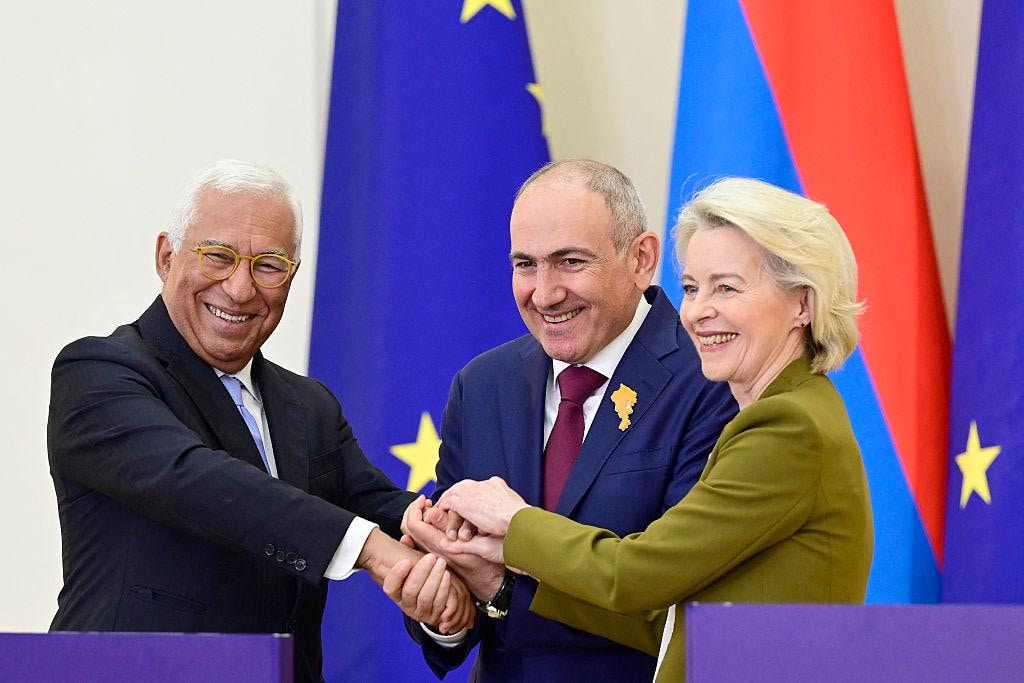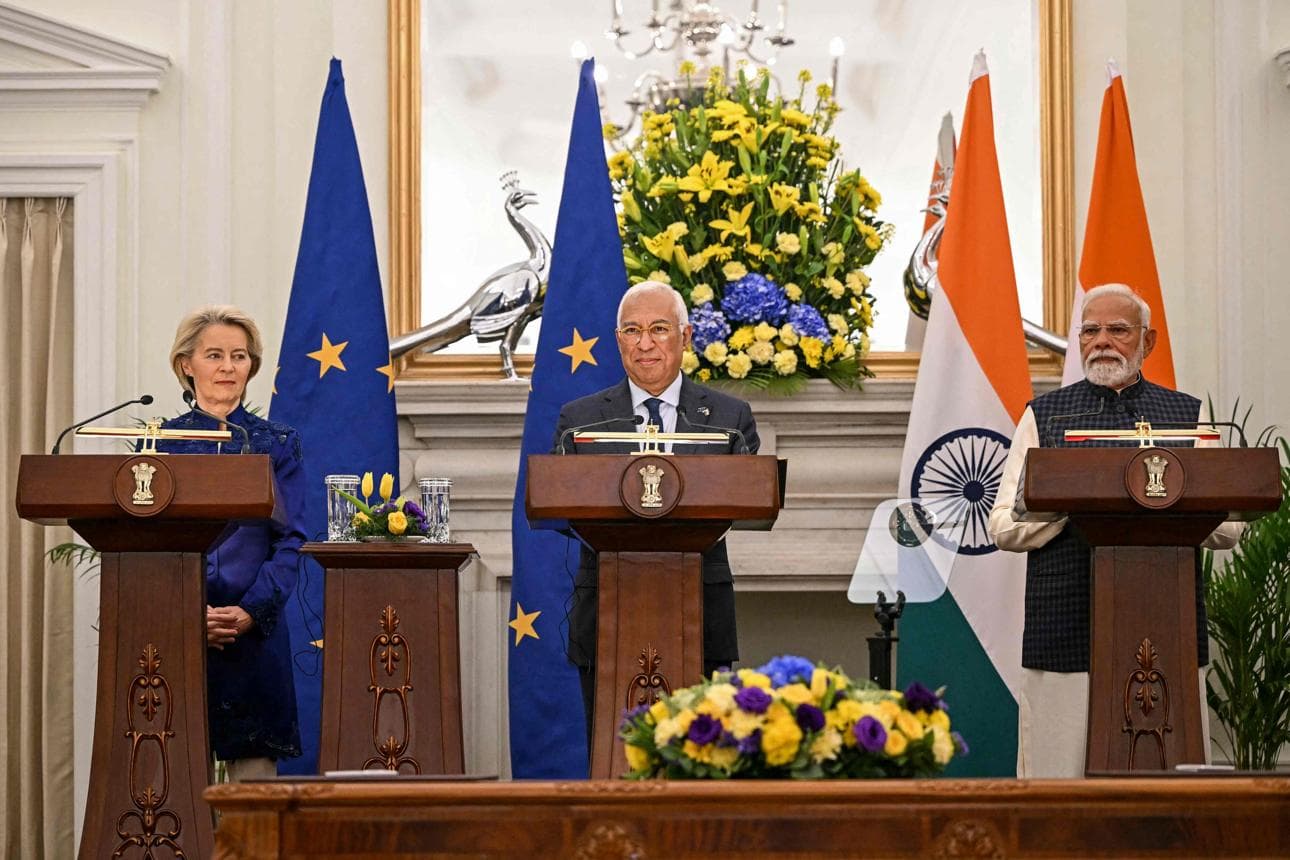
New Delhi: When Ursula von der Leyen stood beside Narendra Modi in January and called the newly concluded free trade agreement the “mother of all deals,” the language was deliberately grand. After nearly two decades of false starts, talks opened in 2007, collapsed, and were revived only in 2022, Europe and India had finally agreed to dismantle the bulk of the tariffs separating two markets that together hold close to two billion consumers and roughly a quarter of global output. Yet the celebration obscured an awkward truth that has grown clearer in the months since: the easiest part is done, and the harder part remains unwritten.
The text initialled in January covers goods, services and a sprawl of regulatory commitments, but it deliberately leaves out two pieces that matter enormously to the businesses meant to benefit. There is no standalone investment protection chapter, and no comprehensive deal on geographical indications, the labels that decide whether European exporters can defend names like Parmigiano or feta in Indian shops. Both are being negotiated on a separate track that carries no deadline, and history suggests separate tracks in these talks have a habit of running for years.
This matters because investment, not trade in goods, is where the relationship has always underperformed. European firms have long complained that India’s courts move slowly and its policy can shift without warning; Indian negotiators, in turn, are wary of the investor-state arbitration clauses that several European capitals have grown ambivalent about themselves. Until an investment protection agreement exists, the deal’s promise of deeper industrial integration rests on goodwill rather than enforceable rules. A tariff schedule tells a carmaker what it will pay at the border. It does not assure that same carmaker that a factory built in Gujarat will be safe from a sudden regulatory reversal.
Ratification is the second unfinished chamber. The legal text must still be translated, scrubbed and approved by the European Council, the European Parliament and India’s cabinet before it can enter into force, something Brussels optimistically pencils in for later this year. Each of those bodies contains constituencies, European farmers, Indian dairy cooperatives, automotive lobbies on both sides, with reasons to slow the process. The agreement reached in January is a political achievement; it is not yet law.
None of this diminishes the strategic logic. With Washington unpredictable and Beijing assertive, Brussels and New Delhi have obvious reasons to bind themselves closer, and a partial deal that moves is worth more than a perfect deal that does not. But the temptation now is to treat January as the finish line when it was only the loudest milestone. The investment chapter, the geographical indications and the ratification votes will decide whether the grand phrase becomes a working relationship or an elegant announcement. Europe has learned, painfully, with other partners, that the gap between signature and entry into force can swallow a decade. The work that determines India’s place in Europe’s economic future is the quiet work still under way long after the cameras left.