August 29, 2026
LATEST
Data Rules Agreed With Seoul Now Wait on Parliament’s ConsentChina Listed Fourteen European Firms and November Ends the TruceWhy Australia’s Finished Trade Deal Still Has No Signature DateLate Application Leaves Tokyo Outside the Defence Loan QueueCyber Resilience Rules Give Makers 24 Hours From SeptemberWinter Stocks Test Europe’s New Gas Storage Flexibility RulesInnovation Theory Meets Merger Control in a New Commission StudyMercosur Tariffs Fell in May and the Court Has Not Ruled YetBilaterals III Now Turns on Which Referendum Switzerland PicksDark Patterns Face the EU Digital Fairness ActFifteen Chapters Stand Between Montenegro and 2028Who Blinks First in the FP10 Research Budget FightCustoms Reform Landed in March and Its Data Hub Opens in 2028Victims Rights Gain an EU Helpline and Capitals Have Two YearsIreland Must Move the EU Budget Box Before the October SummitFertiliser Prices Sit 71 Percent Above Their 2024 Average LevelState Aid Exemptions Face a Rewrite With Four Months to SpareIrregular Crossings Fell 37 Percent and Spain Is the ExceptionSpring Growth Went to Ireland and Skipped Belgium EntirelyEurope’s Drought Pushed Four Great Rivers to Record LowsData Rules Agreed With Seoul Now Wait on Parliament’s ConsentChina Listed Fourteen European Firms and November Ends the TruceWhy Australia’s Finished Trade Deal Still Has No Signature DateLate Application Leaves Tokyo Outside the Defence Loan QueueCyber Resilience Rules Give Makers 24 Hours From SeptemberWinter Stocks Test Europe’s New Gas Storage Flexibility RulesInnovation Theory Meets Merger Control in a New Commission StudyMercosur Tariffs Fell in May and the Court Has Not Ruled YetBilaterals III Now Turns on Which Referendum Switzerland PicksDark Patterns Face the EU Digital Fairness ActFifteen Chapters Stand Between Montenegro and 2028Who Blinks First in the FP10 Research Budget FightCustoms Reform Landed in March and Its Data Hub Opens in 2028Victims Rights Gain an EU Helpline and Capitals Have Two YearsIreland Must Move the EU Budget Box Before the October SummitFertiliser Prices Sit 71 Percent Above Their 2024 Average LevelState Aid Exemptions Face a Rewrite With Four Months to SpareIrregular Crossings Fell 37 Percent and Spain Is the ExceptionSpring Growth Went to Ireland and Skipped Belgium EntirelyEurope’s Drought Pushed Four Great Rivers to Record Lows
August 29, 2026
LATEST
Data Rules Agreed With Seoul Now Wait on Parliament’s ConsentChina Listed Fourteen European Firms and November Ends the TruceWhy Australia’s Finished Trade Deal Still Has No Signature DateLate Application Leaves Tokyo Outside the Defence Loan QueueCyber Resilience Rules Give Makers 24 Hours From SeptemberWinter Stocks Test Europe’s New Gas Storage Flexibility RulesInnovation Theory Meets Merger Control in a New Commission StudyMercosur Tariffs Fell in May and the Court Has Not Ruled YetBilaterals III Now Turns on Which Referendum Switzerland PicksDark Patterns Face the EU Digital Fairness ActFifteen Chapters Stand Between Montenegro and 2028Who Blinks First in the FP10 Research Budget FightCustoms Reform Landed in March and Its Data Hub Opens in 2028Victims Rights Gain an EU Helpline and Capitals Have Two YearsIreland Must Move the EU Budget Box Before the October SummitFertiliser Prices Sit 71 Percent Above Their 2024 Average LevelState Aid Exemptions Face a Rewrite With Four Months to SpareIrregular Crossings Fell 37 Percent and Spain Is the ExceptionSpring Growth Went to Ireland and Skipped Belgium EntirelyEurope’s Drought Pushed Four Great Rivers to Record LowsData Rules Agreed With Seoul Now Wait on Parliament’s ConsentChina Listed Fourteen European Firms and November Ends the TruceWhy Australia’s Finished Trade Deal Still Has No Signature DateLate Application Leaves Tokyo Outside the Defence Loan QueueCyber Resilience Rules Give Makers 24 Hours From SeptemberWinter Stocks Test Europe’s New Gas Storage Flexibility RulesInnovation Theory Meets Merger Control in a New Commission StudyMercosur Tariffs Fell in May and the Court Has Not Ruled YetBilaterals III Now Turns on Which Referendum Switzerland PicksDark Patterns Face the EU Digital Fairness ActFifteen Chapters Stand Between Montenegro and 2028Who Blinks First in the FP10 Research Budget FightCustoms Reform Landed in March and Its Data Hub Opens in 2028Victims Rights Gain an EU Helpline and Capitals Have Two YearsIreland Must Move the EU Budget Box Before the October SummitFertiliser Prices Sit 71 Percent Above Their 2024 Average LevelState Aid Exemptions Face a Rewrite With Four Months to SpareIrregular Crossings Fell 37 Percent and Spain Is the ExceptionSpring Growth Went to Ireland and Skipped Belgium EntirelyEurope’s Drought Pushed Four Great Rivers to Record Lows

Europe’s Indonesia Deal Now Waits on Three Parliaments

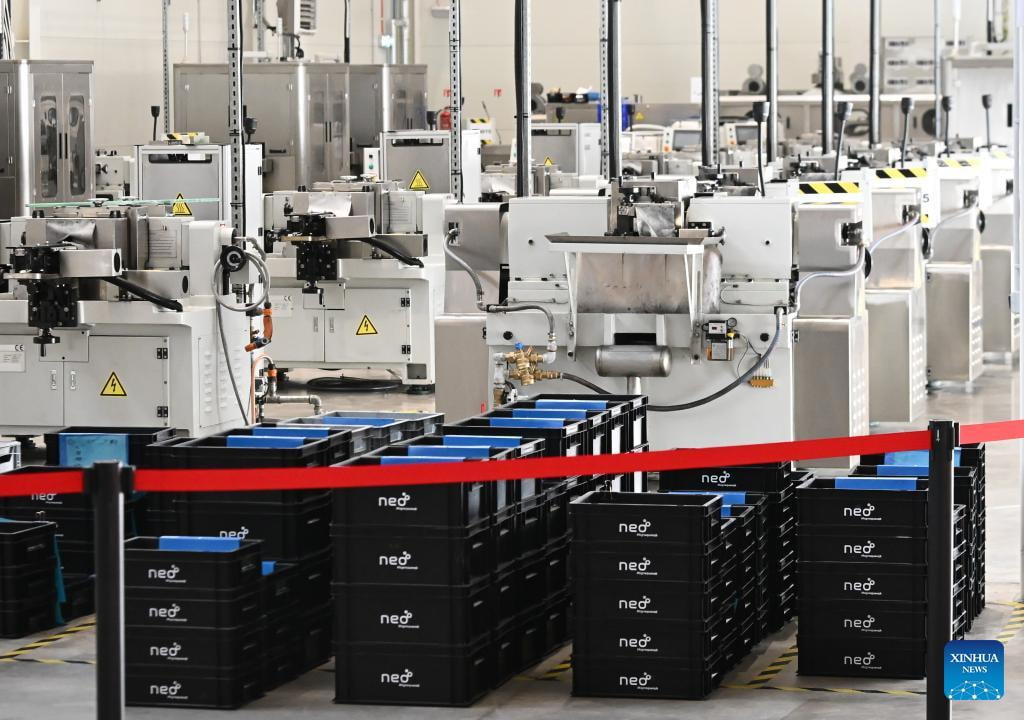
Cikarang: Factories in this industrial corridor east of Jakarta load footwear, vehicle components and processed nickel bound for European buyers, and their owners have spent a year watching a signature slide down the calendar.

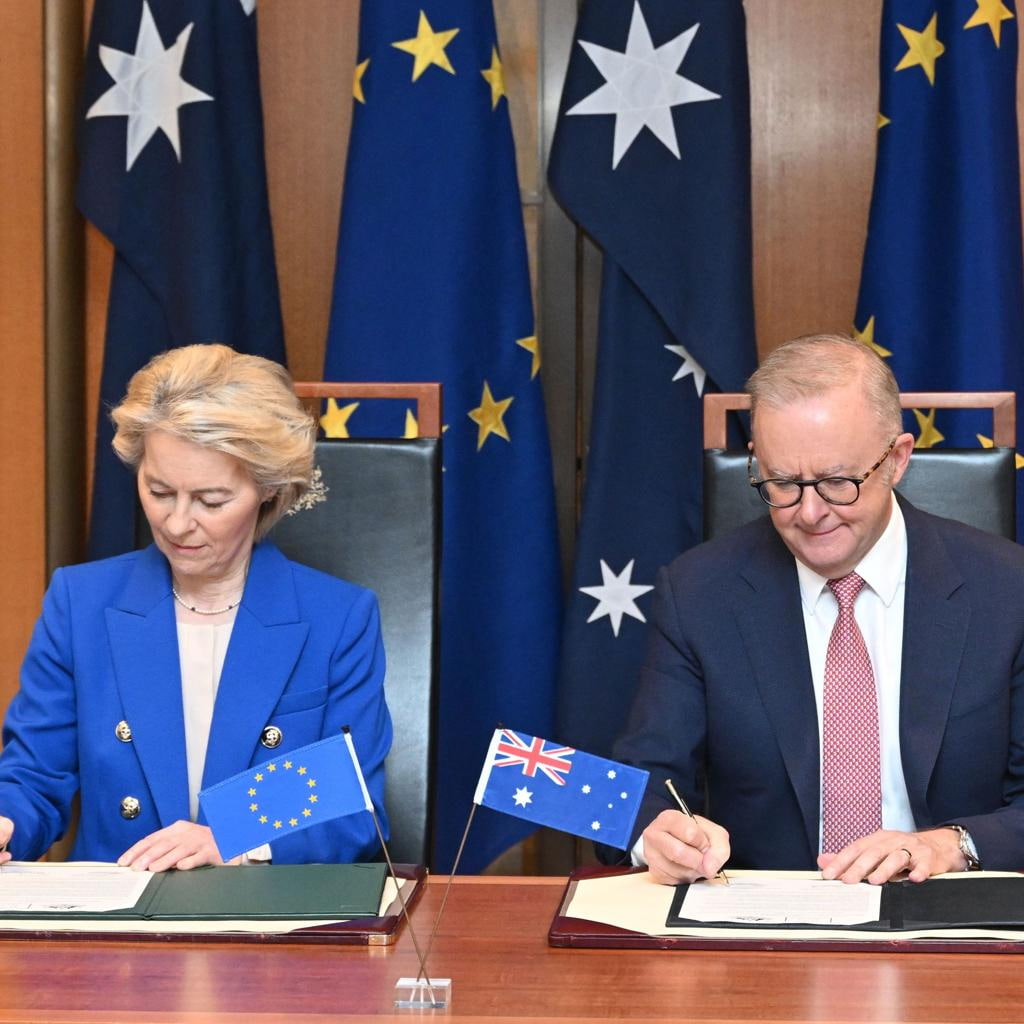
The European Commission and Indonesia closed political negotiations on the Comprehensive Economic Partnership Agreement in July 2025, ending nearly a decade of stop-start talks. On 29 June 2026 the Commission handed the finished texts to the Council. Indonesian officials now name October as the month they want pens uncapped, and Jakarta has floated the fourth quarter as the outer limit.

The commercial logic is plain. Europe would scrap duties on roughly 98.5 percent of tariff lines. That figure matters most to Indonesian exporters who still pay double-digit rates on garments and canned fish while Vietnamese competitors, covered by a deal in force since 2020, pay nothing. Indonesia reciprocates with what its trade ministry describes as its deepest tariff commitments in any agreement, opening room for European machinery, dairy and pharmaceuticals.

A signature settles less than the headlines suggest. The text then travels to the European Parliament, to the Council, and to Indonesia’s House of Representatives. Officials on both sides talk about full implementation in 2027, which assumes ratification runs smoothly through three legislatures that answer to very different constituencies.

Two disputes sit underneath the celebration. Jakarta reads the EU deforestation regulation as a barrier dressed as an environmental measure, because palm oil and its derivatives dominate Indonesian sales into Europe. Brussels reads Indonesia’s raw-material export restrictions as industrial policy that squeezes European smelters and battery makers. The CEPA does not erase either quarrel. It creates committees where the quarrels continue with better manners.

The strategic reading is more interesting than the tariff schedules. Europe spent 2026 signing and reviving agreements across the Indo-Pacific precisely because a single dominant supplier of processed critical minerals makes European industry nervous. Indonesia refines a commanding share of the world’s nickel, and most of that capacity carries Chinese ownership. A trade agreement does not change who owns the furnaces. It does give European firms a rulebook, an arbitration route and a tariff advantage they currently lack.

Indonesian negotiators understand their own leverage. President Prabowo Subianto’s government has pursued membership of the OECD and joined the BRICS grouping in the same period, and it treats Europe as one market among several rather than an indispensable patron. That confidence explains why Jakarta pressed for transition periods on sensitive goods and secured them.

European exporters should temper expectations about speed. Even after ratification, customs authorities need origin procedures, conformity bodies need mutual recognition, and Indonesian ministries need implementing regulations. Traders who lived through the Vietnam agreement remember that preference utilisation climbed slowly, because paperwork defeats small firms long before tariffs do.

What the deal really buys Europe is optionality. If Chinese suppliers tighten export controls again, or if American tariff policy swings once more, the Union will want alternative routes into Southeast Asian value chains that already exist on paper. October, if it holds, starts that clock.