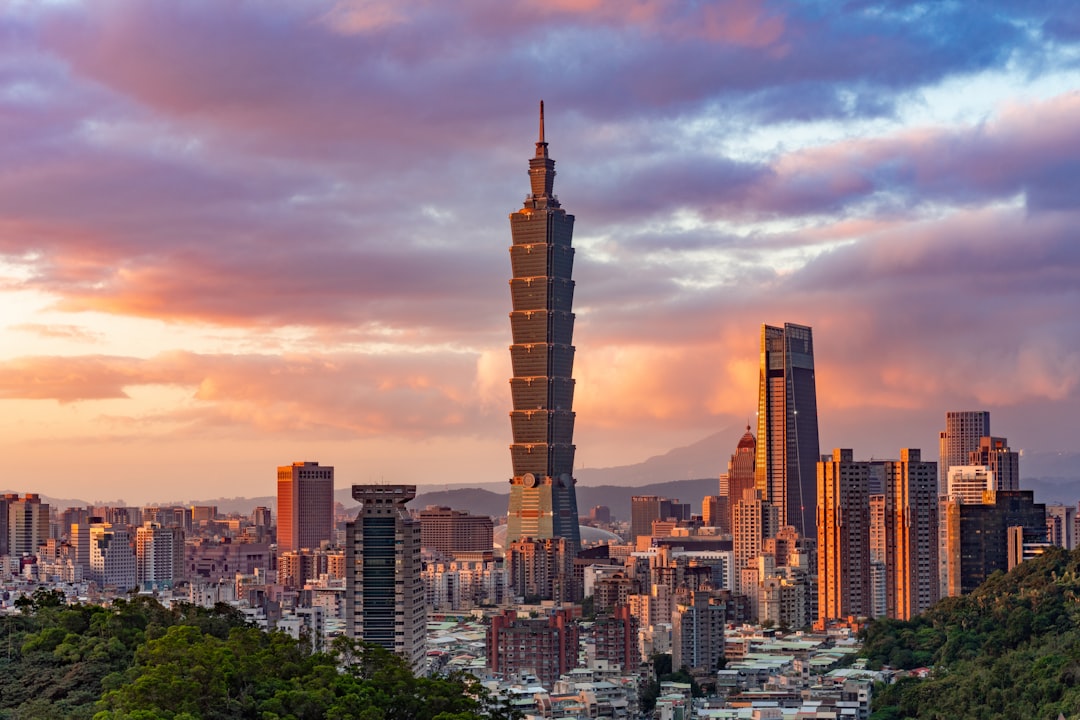
Taipei: Europe has no embassy here, recognises no Taiwanese state and signs no treaties with its government, and yet the relationship between the European Union and Taiwan has rarely been busier. That paradox, a partnership that grows precisely because it is never formalised, defines one of the more delicate balancing acts in the Union’s foreign policy.
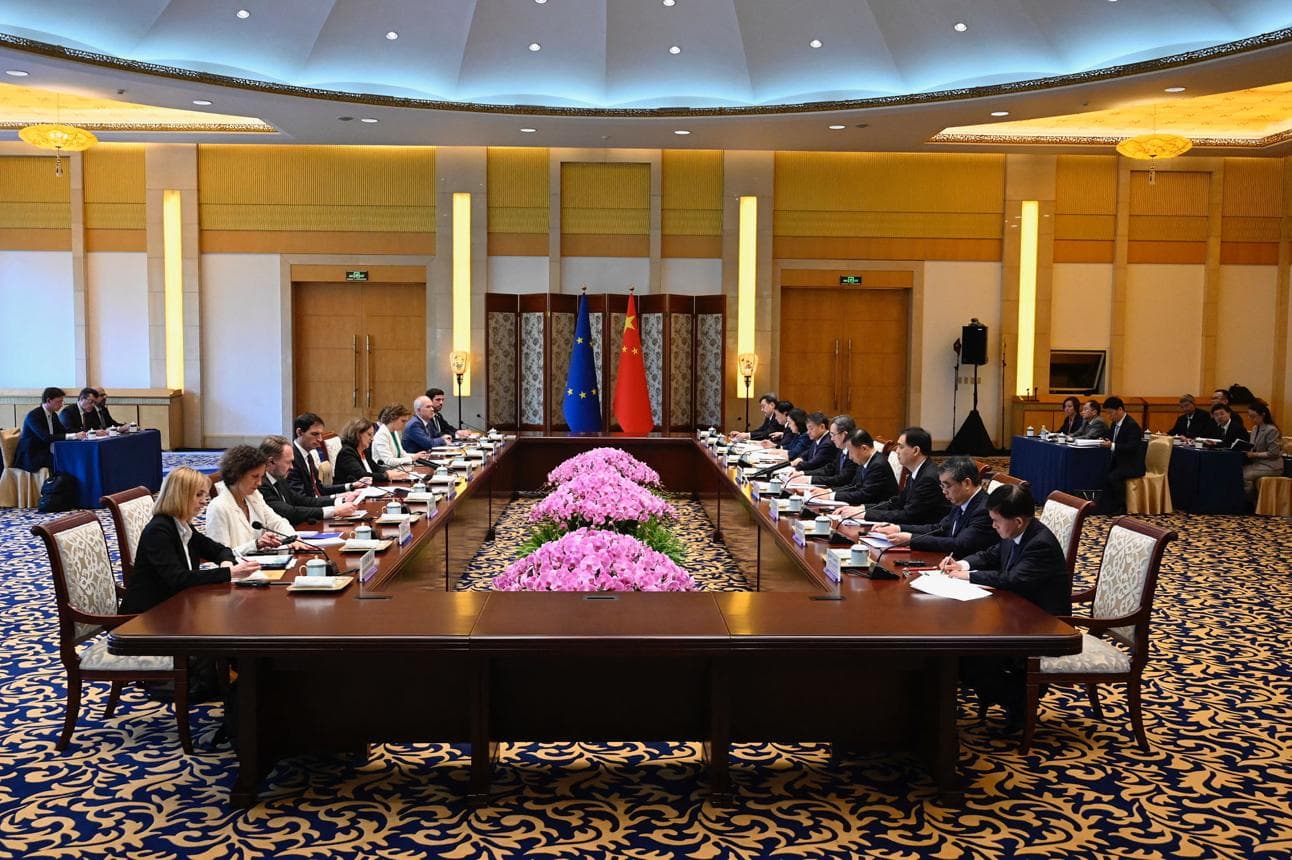
Much of the momentum has come from the European Parliament. Across its previous term the chamber adopted more than forty Taiwan-friendly resolutions, addressing political ties, the stability of the Taiwan Strait and the case for closer trade and investment links. In late 2024 lawmakers urged Beijing to halt what they described as continued military operations, economic coercion and disinformation aimed at the island. China’s reply was blunt, a warning that the Parliament should act prudently and that Taiwan remained a red line not to be crossed. The exchange captured the dynamic exactly, with European legislators pressing forward while Beijing draws lines and the EU’s executive treads carefully between them.
This is parliamentary diplomacy doing the work that formal diplomacy cannot. Resolutions carry no binding force, but they shape the climate in which the Commission and member states operate, and they give Taipei something valuable, a sense that it is seen and supported in Europe’s democratic institutions even when governments stay silent. Over time those non-binding texts have nudged the Union toward treating Taiwan as a partner in its own right rather than merely a flashpoint in the relationship with China.
The substance increasingly runs through economic security. Taiwan’s command of advanced semiconductor manufacturing makes it indispensable to European industry, and Taipei has openly sought a closer economic relationship, with President Lai Ching-te calling for a partnership agreement spanning chips and artificial intelligence. The Union has declined to commit to any formal pact, mindful of Beijing’s sensitivities, while continuing to treat Taiwan as a trusted partner in trade and resilient supply chains. It is cooperation by careful increment rather than grand bargain.
The backdrop is a steady tightening of pressure. Through 2026 Beijing has worked to shrink Taiwan’s international space, blocking its participation in the World Health Assembly, leaning on third countries to exclude or downgrade its presence in global bodies, and reportedly pressing three African states to close their airspace to obstruct a presidential visit. Each such move sharpens the question Europe prefers to avoid, namely how far it is willing to go in support of a democracy it values but cannot officially recognise.
For now the Union’s answer is studied ambiguity, deepening practical ties while reaffirming its one-China policy, engaging Taipei on technology and trade while avoiding the symbolism that would provoke open rupture with Beijing. Critics call it timidity, defenders call it realism, and both have a point. What is clear is that the relationship has acquired a durability of its own. Brussels keeps edging closer to Taipei not despite Beijing’s anger but in spite of it, and that quiet persistence may matter more than any document the two sides will never sign.