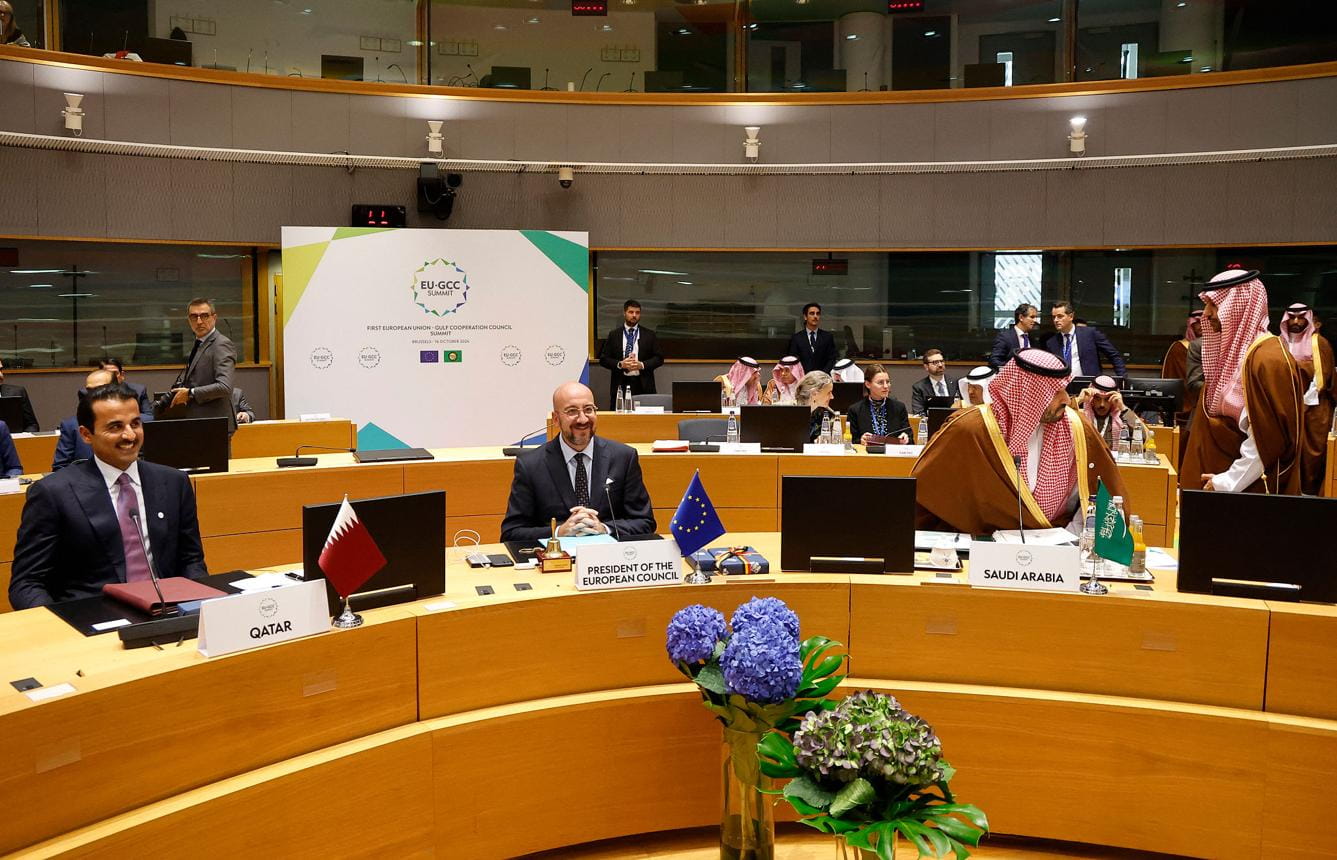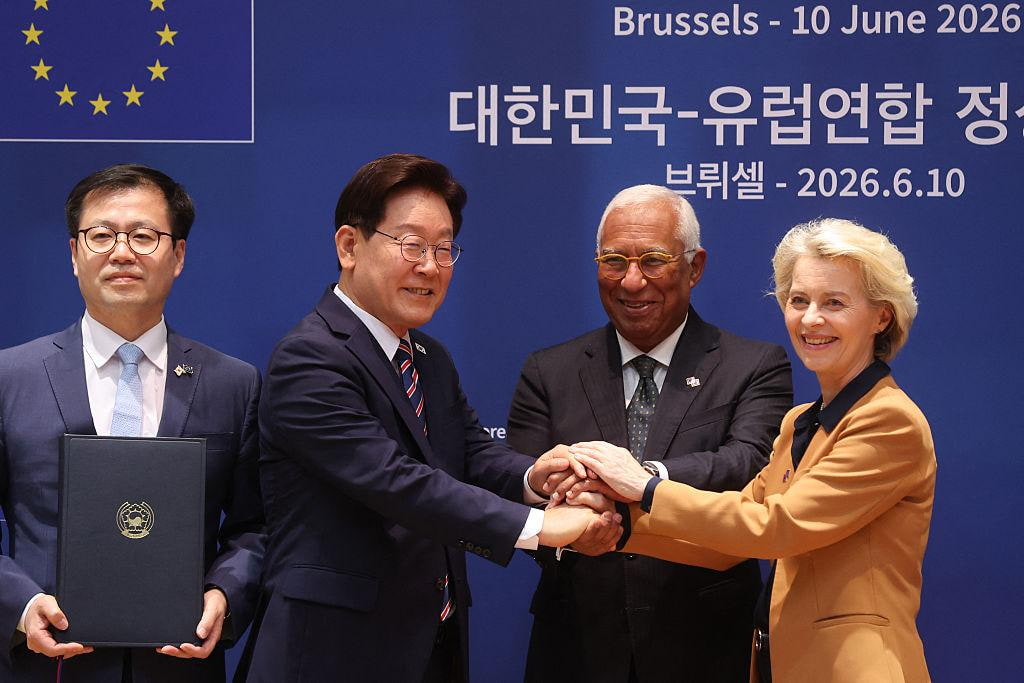
Cebu: The ASEAN-EU Sustainability Summit held in Cebu on 7 May 2026 was framed as a working session on energy transition, green finance, and supply chain resilience. The substance bore that out. But the political point of the meeting sits further down the corridor. Both sides spent much of the day mapping what would be required to elevate the existing Strategic Partnership into a Comprehensive Strategic Partnership by 2027, the fiftieth anniversary year of EU-ASEAN dialogue relations.
The Strategic Partnership was agreed at the December 2022 commemorative summit in Brussels. The Plan of Action that gives it operational content runs through 2027. The instruction to capitals and the Secretariat has been clear since the 25th Ministerial Meeting in Bandar Seri Begawan in April. Prepare the documentation, the deliverables, and the political endorsement schedule so that the 2027 anniversary can carry an upgrade rather than a renewal. Cebu was the first major working venue at which that preparation became visible.
The sustainability framing is more than a topic choice. Energy security, critical raw materials, climate finance, and circular economy practice are the policy zones in which the EU has the most to offer ASEAN at scale and the strongest political case for doing so domestically. Cebu surfaced four working tracks that look likely to anchor the deliverables package. A regional green finance facility coordinated with the European Investment Bank. A critical minerals processing dialogue that mirrors the architecture being built with Australia and Kazakhstan. Sustainable trade and supply chain commitments that could be folded into bilateral FTAs once concluded. And climate-resilient agriculture cooperation under Horizon Europe.
The Philippines, which holds the ASEAN chair in 2026, used the summit to push energy transition as the lead theme. That choice reflects domestic priorities. The country is rebalancing its grid amid coal phase-down debates. It also reflects broader regional positioning. ASEAN as a bloc has been resistant to climate commitments that look like EU-style discipline, but the framing of competitiveness, supply chain investment, and energy affordability has more traction. Brussels has tracked this shift carefully and is now packaging climate cooperation in terms that fit the regional vocabulary rather than the Brussels vocabulary.
The supply chain conversation has the sharpest geopolitical edge. ASEAN sits between Chinese industrial weight and Western de-risking ambitions, and most member states have been reluctant to choose sides explicitly. The Comprehensive Strategic Partnership upgrade will not force that choice either. What it can do is build infrastructure, financing, and certification mechanisms that make ASEAN a more legible destination for European supply chain diversification. Cebu produced commitments on standards alignment in batteries, semiconductors, and pharmaceutical inputs that will be tested in the bilateral FTA work running in parallel with Indonesia, the Philippines, Malaysia, and Thailand.
What was not on the Cebu agenda is also informative. There was no substantive new commitment on the South China Sea, where ASEAN’s internal divisions remain too deep for joint EU-ASEAN positions to do much work. Maritime security cooperation continues through bilateral defence and security tracks rather than as a multilateral deliverable. Migration governance, which has been a point of friction with several southern member states, was handled at the technical level rather than as a summit headline. Both sides appeared content to let those tracks run separately.
The path to 2027 now has three load-bearing milestones. The post-summit officials meeting in October will produce the first draft of the upgraded partnership document. The 2027 commemorative summit will need to deliver visible economic content, which means at least one of the bilateral FTAs in negotiation will likely be politically pressured to close by then. And the Plan of Action successor, running 2028 to 2032, will need to be drafted in parallel so that the upgrade has operational substance rather than just political symbolism. Cebu was the moment at which that timetable became real for both delegations.