August 9, 2026
LATEST
New EU Gas Market Rules Take Effect With Consumer SafeguardsDeforestation Regulation Holds Its December Deadline Despite CutsDigital Omnibus Delays Europe’s High-Risk AI Deadline to 2027Europe’s Schools Confront a Widening Basic Skills GapRule of Law Report Finds Progress but Trust Still LagsIRIS2 Gains 66 Satellites as Brussels Signs the Rollout DealNature Restoration Plans Come Due as Member States Race a DeadlineECB Rates Hold at 2.25 Percent as Frankfurt Waits on the DataEU Budget Talks Turn to Cohesion as Ireland Takes OverWildfire Response Stretches Europe’s Emergency Fleet ThinCan Europe’s Quantum Plan Match Its Big Ambitions?Armenia Edges West as Moscow’s Grip Slips AwayEurope Inherits the World’s Aid Bill It Cannot Fully PayAir Passenger Rights Get Their First Overhaul in Two DecadesErasmus Opens a 5 Billion Euro Round for Skills and MobilityCeuta Crisis Pushes the EU Toward Faster Migrant ReturnsBulky Parcels Face a Packaging Crackdown From August 12Can Europe Build Its Drone Wall Before 2030 Arrives?Indonesia’s Trade Deal With Europe Nears Its Final SignatureEurope Leans on Beijing to Keep Climate Talks Alive Before AntalyaNew EU Gas Market Rules Take Effect With Consumer SafeguardsDeforestation Regulation Holds Its December Deadline Despite CutsDigital Omnibus Delays Europe’s High-Risk AI Deadline to 2027Europe’s Schools Confront a Widening Basic Skills GapRule of Law Report Finds Progress but Trust Still LagsIRIS2 Gains 66 Satellites as Brussels Signs the Rollout DealNature Restoration Plans Come Due as Member States Race a DeadlineECB Rates Hold at 2.25 Percent as Frankfurt Waits on the DataEU Budget Talks Turn to Cohesion as Ireland Takes OverWildfire Response Stretches Europe’s Emergency Fleet ThinCan Europe’s Quantum Plan Match Its Big Ambitions?Armenia Edges West as Moscow’s Grip Slips AwayEurope Inherits the World’s Aid Bill It Cannot Fully PayAir Passenger Rights Get Their First Overhaul in Two DecadesErasmus Opens a 5 Billion Euro Round for Skills and MobilityCeuta Crisis Pushes the EU Toward Faster Migrant ReturnsBulky Parcels Face a Packaging Crackdown From August 12Can Europe Build Its Drone Wall Before 2030 Arrives?Indonesia’s Trade Deal With Europe Nears Its Final SignatureEurope Leans on Beijing to Keep Climate Talks Alive Before Antalya
August 9, 2026
LATEST
New EU Gas Market Rules Take Effect With Consumer SafeguardsDeforestation Regulation Holds Its December Deadline Despite CutsDigital Omnibus Delays Europe’s High-Risk AI Deadline to 2027Europe’s Schools Confront a Widening Basic Skills GapRule of Law Report Finds Progress but Trust Still LagsIRIS2 Gains 66 Satellites as Brussels Signs the Rollout DealNature Restoration Plans Come Due as Member States Race a DeadlineECB Rates Hold at 2.25 Percent as Frankfurt Waits on the DataEU Budget Talks Turn to Cohesion as Ireland Takes OverWildfire Response Stretches Europe’s Emergency Fleet ThinCan Europe’s Quantum Plan Match Its Big Ambitions?Armenia Edges West as Moscow’s Grip Slips AwayEurope Inherits the World’s Aid Bill It Cannot Fully PayAir Passenger Rights Get Their First Overhaul in Two DecadesErasmus Opens a 5 Billion Euro Round for Skills and MobilityCeuta Crisis Pushes the EU Toward Faster Migrant ReturnsBulky Parcels Face a Packaging Crackdown From August 12Can Europe Build Its Drone Wall Before 2030 Arrives?Indonesia’s Trade Deal With Europe Nears Its Final SignatureEurope Leans on Beijing to Keep Climate Talks Alive Before AntalyaNew EU Gas Market Rules Take Effect With Consumer SafeguardsDeforestation Regulation Holds Its December Deadline Despite CutsDigital Omnibus Delays Europe’s High-Risk AI Deadline to 2027Europe’s Schools Confront a Widening Basic Skills GapRule of Law Report Finds Progress but Trust Still LagsIRIS2 Gains 66 Satellites as Brussels Signs the Rollout DealNature Restoration Plans Come Due as Member States Race a DeadlineECB Rates Hold at 2.25 Percent as Frankfurt Waits on the DataEU Budget Talks Turn to Cohesion as Ireland Takes OverWildfire Response Stretches Europe’s Emergency Fleet ThinCan Europe’s Quantum Plan Match Its Big Ambitions?Armenia Edges West as Moscow’s Grip Slips AwayEurope Inherits the World’s Aid Bill It Cannot Fully PayAir Passenger Rights Get Their First Overhaul in Two DecadesErasmus Opens a 5 Billion Euro Round for Skills and MobilityCeuta Crisis Pushes the EU Toward Faster Migrant ReturnsBulky Parcels Face a Packaging Crackdown From August 12Can Europe Build Its Drone Wall Before 2030 Arrives?Indonesia’s Trade Deal With Europe Nears Its Final SignatureEurope Leans on Beijing to Keep Climate Talks Alive Before Antalya

Why The EU Australia Defence Pact Now Faces Its Real Test

Canberra: When the European Union and Australia announced their Security and Defence Partnership in late March, signed in the same diplomatic moment as their long-negotiated trade deal, the symbolism was unmistakable. Two open economies on opposite sides of the world were formalising a security relationship at a time when both feel the pull of strategic uncertainty. The harder work begins now, in the gap between a signed framework and the projects that would give it meaning.

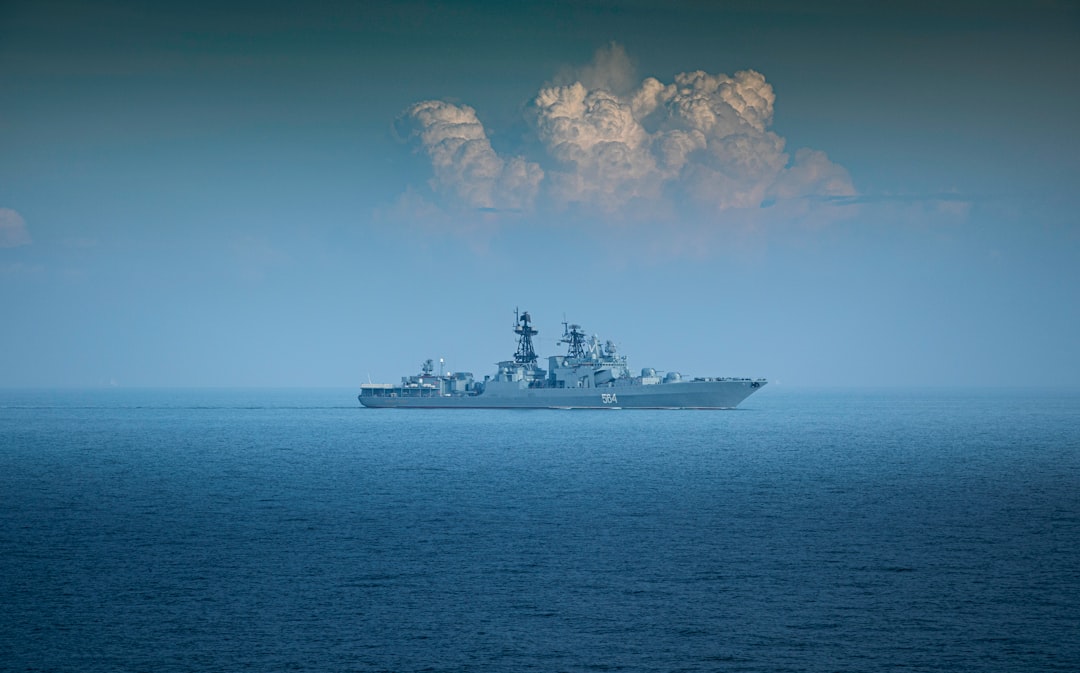
The partnership is broad by design. It commits the two sides to cooperate across cyber and emerging technologies, economic security including critical minerals, hybrid threats, maritime security, space and defence-industry collaboration. Each of those headings answers a specific anxiety. Maritime security speaks to contested sea lanes in the Indo-Pacific; economic security reflects shared exposure to mineral supply concentration; cyber and hybrid cooperation acknowledges that the threats reaching European and Australian institutions increasingly rhyme.

Australia brings a particular profile to the table. It is already embedded in the AUKUS submarine arrangement with the United States and Britain, which both anchors its strategic posture and constrains how much industrial bandwidth it has for new partners. For the EU, the value is less about adding firepower and more about extending its reach into a region its own Indo-Pacific strategy has prioritised, while giving European defence firms a credible market and a trusted partner for joint development.

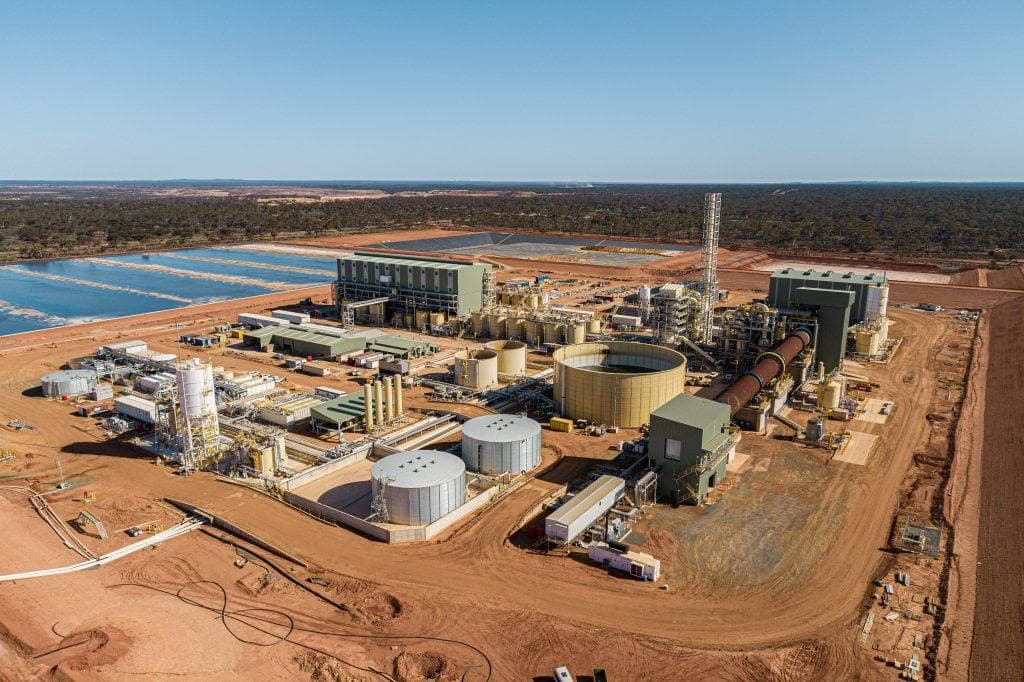
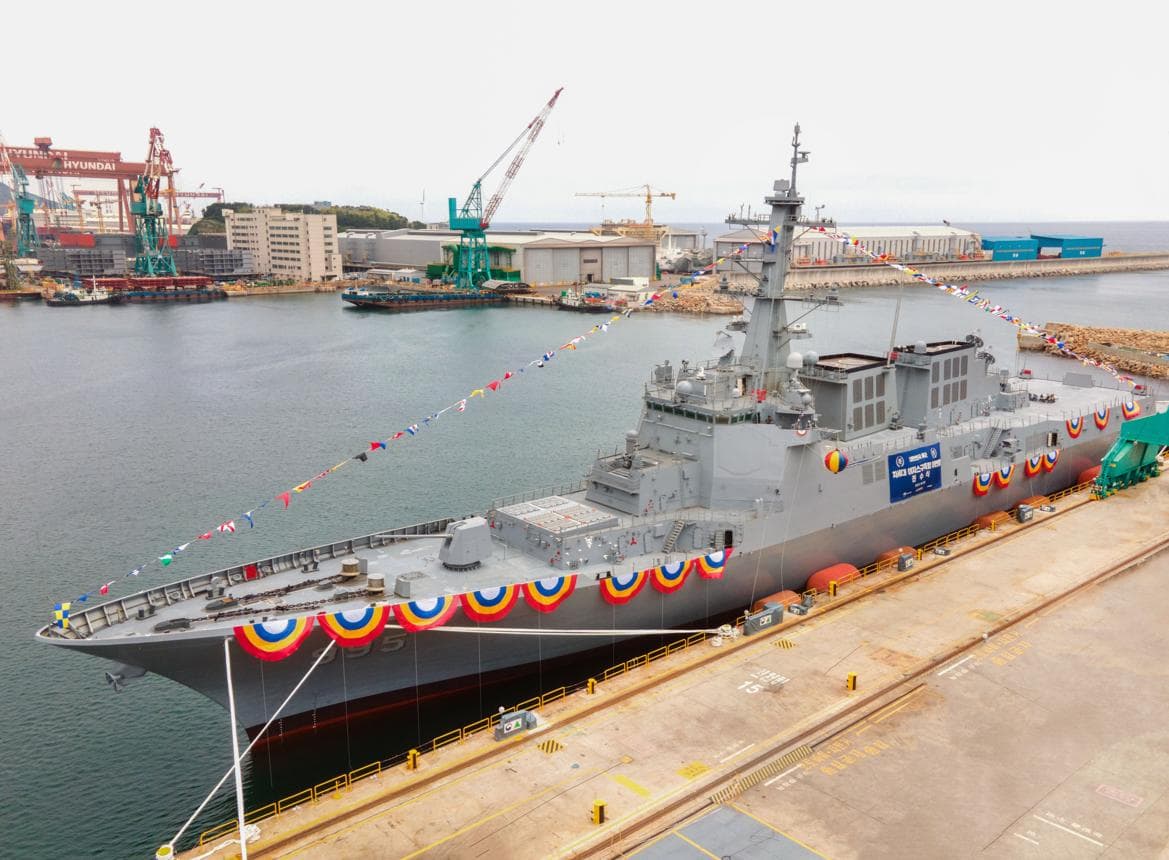
The timing aligns with Europe’s own defence-industrial awakening. With instruments to finance joint procurement and ramp up production capacity, Brussels is trying to convert political urgency into manufacturing. A partner like Australia, with established defence industries and a shared appetite for resilient supply chains, fits that ambition, particularly on critical minerals where the two have a separate agreement intended to build value chains for everything from clean energy to aerospace and defence.

Yet defence partnerships are notorious for outrunning their delivery. The history of such agreements is littered with ambitious frameworks that produced working groups rather than capabilities. The constraints are practical: differing procurement rules, export-control friction, the distance between European and Australian industrial bases, and the simple fact that Canberra’s strategic attention is heavily committed elsewhere. Declarations about maritime security mean little without joint exercises, shared situational awareness and interoperable systems.

The real test, then, is sequencing. A credible early agenda would prioritise the areas where cooperation is cheapest and most immediate: cyber threat-sharing, coordinated positions on critical minerals, and modest defence-industrial pilots that build trust before bigger commitments. Maritime cooperation can grow from information exchange toward joint presence over time.

For both partners, the strategic logic is sound and the political will appears genuine. What remains uncertain is execution. A partnership signed in a single ceremonial afternoon must now survive the unglamorous years of implementation, and the measure of its seriousness will be whether, twelve months on, it has produced concrete tasks rather than another round of warm statements.