
At least seven ships have been hit near Romania and Bulgaria this month. The Union already runs a naval operation to protect merchant vessels far from its shores. Off its own coast, it is relying on sensors and statements.
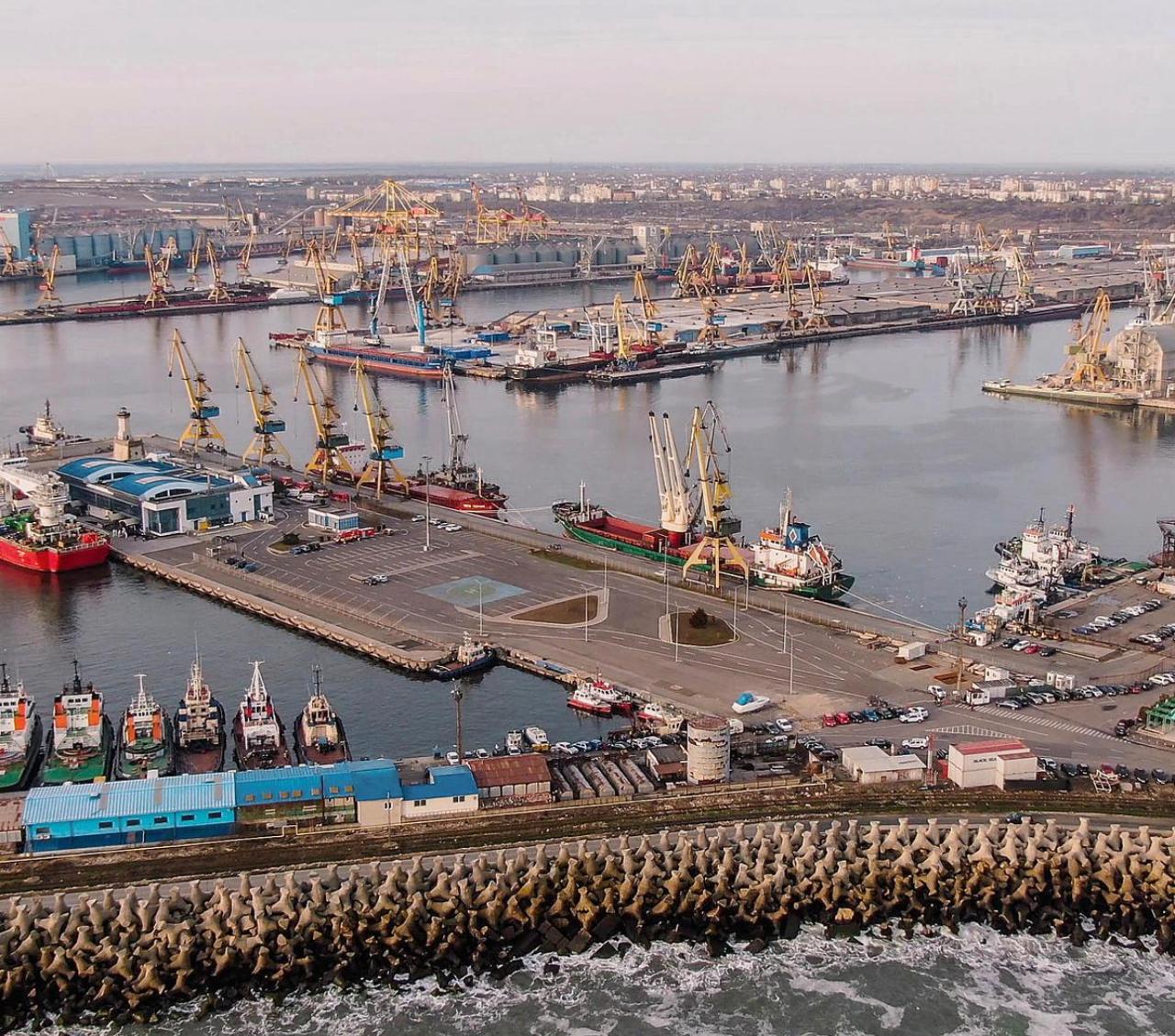
Black Sea shipping has become a target. At least seven commercial ships have been hit near the Romanian and Bulgarian coasts this month, and about 30 sailors are dead or missing. The latest, the cargo vessel Khoryv, capsized on Friday roughly 13 nautical miles off Constanța, just outside Romania’s territorial waters, after a drone strike. President Nicușor Dan blamed Russia outright, calling the sinking a new example of the tragic consequences of Russia’s aggression against Ukraine.
Ursula von der Leyen said she was deeply alarmed and called the attacks reckless. António Costa said attacks off EU coasts must stop. Kaja Kallas had already described six attacks in ten days as a dangerous and unacceptable escalation, and MEPs held a plenary debate on Black Sea shipping on Tuesday. On Thursday, Parliament asked the Union and its member states, by 432 votes to 52, to examine a naval operation to protect freedom of navigation. What the EU has not yet done is the one thing it already knows how to do.
A Template Already in Service
Since February 2024, the Union has run Operation Aspides in the Red Sea. It is a defensive mission: European warships accompany merchant vessels and intercept drones and missiles fired at them, without striking targets on land. It protects ships thousands of kilometres from any member state’s coast, many of them on routes that never touch a European port.
The contrast with Black Sea shipping is hard to miss. The Khoryv was bound for Sulina, at the mouth of the Danube. The Wine Trader, a tanker on which seven crew went missing, was heading to Romania from Tunisia. These are cargoes entering the single market, and they are sailing with less protection than ships passing Yemen.
The Case for Leaving It to NATO
Brussels has reasons for caution. NATO is the natural framework on the eastern flank, and on Tuesday the alliance said it would send more maritime patrol aircraft, radar systems, and drones to the region after the attacks on Black Sea shipping. Attribution has also been disputed. After the mid-October strikes, Bulgaria’s prime minister, Rumen Radev, said there was no solid evidence the drones were Russian. Earlier in the month, Romanian officials did not say what had set the grain carrier Royad Mammadov on fire.
Then there is the law of the sea itself. The 1936 Montreux Convention limits the warships that states outside the Black Sea can send through the Turkish Straits. An EU flag over a Black Sea operation could look to Moscow like a widening of the war, and to Ankara like an intrusion on a regime it guards closely.
The Gap That Sensors Leave Open
Each objection carries weight, but none settles the question. NATO’s measures for Black Sea shipping are about awareness: its spokesman described the priority as more sensors and more data sharing. Sensors tell a crew what hit them. They do not stop the strike. Romania has shown that interception is possible: its F-16s shot down two drones over Romanian waters on 17 October.
Where the ships are being hit matters too. Most were struck outside territorial waters, in the economic zones of Romania and Bulgaria. That is where the alliance’s collective-defence commitments are least clear, and exactly where an Aspides-style mandate fits best, because it protects merchant traffic without asserting that a member state has been attacked. Attribution is no longer Kyiv’s claim alone. It is now Bucharest’s own finding.
Montreux is a real constraint, not a prohibition. Romania and Bulgaria are Black Sea states with their own navies, and since early 2024 they have run a mine-clearing task group with Türkiye. An operation built on those littoral navies, supported by surveillance aircraft from other member states, would not need a single additional warship to pass the Bosphorus. Bucharest has already said it will coordinate with Sofia and Ankara on freedom of navigation.
What Black Sea Shipping Needs From the Council
At their summit on 16 October, EU leaders condemned Russia’s escalating and increasingly reckless conduct. The next step should be practical. Foreign ministers should task the European External Action Service with a crisis management concept for a Black Sea maritime security operation, built around Romanian and Bulgarian forces and coordinated with Türkiye and NATO from the outset. Common costs could run through the European Peace Facility, so that member states without Black Sea coastlines contribute money and aircraft rather than ships.
Such a mission would not end the attacks on Black Sea shipping. It would change the calculation behind them, because a drone aimed at an escorted vessel becomes an attack on a European operation rather than on an unprotected freighter flying a flag of convenience.
The Union learned in the Red Sea that it can defend merchant traffic far from home. It would be strange to conclude that it cannot do the same for ships heading to Constanța. At least seven ships in a month is not a pattern that ends by itself. The question for foreign ministers is whether the next one sails under escort.
ABOUT THE AUTHOR
Nadine Seidel serves as Deputy Editor and Senior Analyst at The European Post, writing on diplomatic strategy, EU external relations, and emerging international policy frameworks.