August 9, 2026
LATEST
New EU Gas Market Rules Take Effect With Consumer SafeguardsDeforestation Regulation Holds Its December Deadline Despite CutsDigital Omnibus Delays Europe’s High-Risk AI Deadline to 2027Europe’s Schools Confront a Widening Basic Skills GapRule of Law Report Finds Progress but Trust Still LagsIRIS2 Gains 66 Satellites as Brussels Signs the Rollout DealNature Restoration Plans Come Due as Member States Race a DeadlineECB Rates Hold at 2.25 Percent as Frankfurt Waits on the DataEU Budget Talks Turn to Cohesion as Ireland Takes OverWildfire Response Stretches Europe’s Emergency Fleet ThinCan Europe’s Quantum Plan Match Its Big Ambitions?Armenia Edges West as Moscow’s Grip Slips AwayEurope Inherits the World’s Aid Bill It Cannot Fully PayAir Passenger Rights Get Their First Overhaul in Two DecadesErasmus Opens a 5 Billion Euro Round for Skills and MobilityCeuta Crisis Pushes the EU Toward Faster Migrant ReturnsBulky Parcels Face a Packaging Crackdown From August 12Can Europe Build Its Drone Wall Before 2030 Arrives?Indonesia’s Trade Deal With Europe Nears Its Final SignatureEurope Leans on Beijing to Keep Climate Talks Alive Before AntalyaNew EU Gas Market Rules Take Effect With Consumer SafeguardsDeforestation Regulation Holds Its December Deadline Despite CutsDigital Omnibus Delays Europe’s High-Risk AI Deadline to 2027Europe’s Schools Confront a Widening Basic Skills GapRule of Law Report Finds Progress but Trust Still LagsIRIS2 Gains 66 Satellites as Brussels Signs the Rollout DealNature Restoration Plans Come Due as Member States Race a DeadlineECB Rates Hold at 2.25 Percent as Frankfurt Waits on the DataEU Budget Talks Turn to Cohesion as Ireland Takes OverWildfire Response Stretches Europe’s Emergency Fleet ThinCan Europe’s Quantum Plan Match Its Big Ambitions?Armenia Edges West as Moscow’s Grip Slips AwayEurope Inherits the World’s Aid Bill It Cannot Fully PayAir Passenger Rights Get Their First Overhaul in Two DecadesErasmus Opens a 5 Billion Euro Round for Skills and MobilityCeuta Crisis Pushes the EU Toward Faster Migrant ReturnsBulky Parcels Face a Packaging Crackdown From August 12Can Europe Build Its Drone Wall Before 2030 Arrives?Indonesia’s Trade Deal With Europe Nears Its Final SignatureEurope Leans on Beijing to Keep Climate Talks Alive Before Antalya
August 9, 2026
LATEST
New EU Gas Market Rules Take Effect With Consumer SafeguardsDeforestation Regulation Holds Its December Deadline Despite CutsDigital Omnibus Delays Europe’s High-Risk AI Deadline to 2027Europe’s Schools Confront a Widening Basic Skills GapRule of Law Report Finds Progress but Trust Still LagsIRIS2 Gains 66 Satellites as Brussels Signs the Rollout DealNature Restoration Plans Come Due as Member States Race a DeadlineECB Rates Hold at 2.25 Percent as Frankfurt Waits on the DataEU Budget Talks Turn to Cohesion as Ireland Takes OverWildfire Response Stretches Europe’s Emergency Fleet ThinCan Europe’s Quantum Plan Match Its Big Ambitions?Armenia Edges West as Moscow’s Grip Slips AwayEurope Inherits the World’s Aid Bill It Cannot Fully PayAir Passenger Rights Get Their First Overhaul in Two DecadesErasmus Opens a 5 Billion Euro Round for Skills and MobilityCeuta Crisis Pushes the EU Toward Faster Migrant ReturnsBulky Parcels Face a Packaging Crackdown From August 12Can Europe Build Its Drone Wall Before 2030 Arrives?Indonesia’s Trade Deal With Europe Nears Its Final SignatureEurope Leans on Beijing to Keep Climate Talks Alive Before AntalyaNew EU Gas Market Rules Take Effect With Consumer SafeguardsDeforestation Regulation Holds Its December Deadline Despite CutsDigital Omnibus Delays Europe’s High-Risk AI Deadline to 2027Europe’s Schools Confront a Widening Basic Skills GapRule of Law Report Finds Progress but Trust Still LagsIRIS2 Gains 66 Satellites as Brussels Signs the Rollout DealNature Restoration Plans Come Due as Member States Race a DeadlineECB Rates Hold at 2.25 Percent as Frankfurt Waits on the DataEU Budget Talks Turn to Cohesion as Ireland Takes OverWildfire Response Stretches Europe’s Emergency Fleet ThinCan Europe’s Quantum Plan Match Its Big Ambitions?Armenia Edges West as Moscow’s Grip Slips AwayEurope Inherits the World’s Aid Bill It Cannot Fully PayAir Passenger Rights Get Their First Overhaul in Two DecadesErasmus Opens a 5 Billion Euro Round for Skills and MobilityCeuta Crisis Pushes the EU Toward Faster Migrant ReturnsBulky Parcels Face a Packaging Crackdown From August 12Can Europe Build Its Drone Wall Before 2030 Arrives?Indonesia’s Trade Deal With Europe Nears Its Final SignatureEurope Leans on Beijing to Keep Climate Talks Alive Before Antalya

Air Pollution Still Breaches EU Limits at One in Five Sites

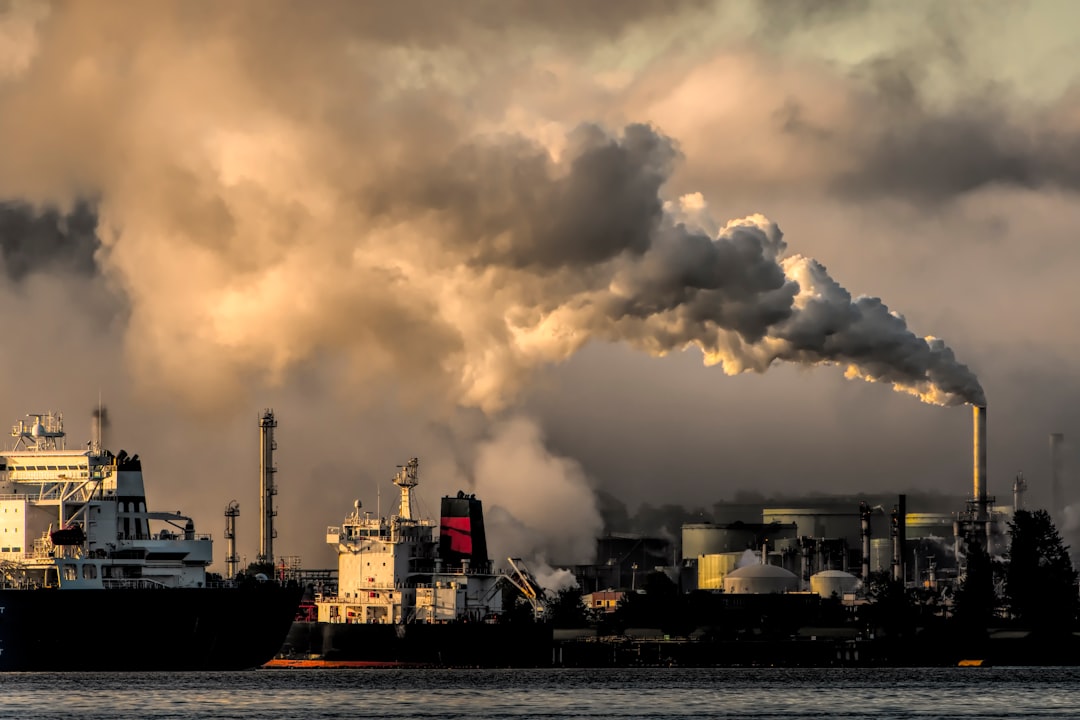
Milan: In the basin of the Po valley, where mountains trap exhaust and woodsmoke against the plain for weeks at a time, the gap between Europe’s cleaning air and its lingering pollution is easy to see and harder to fix. The European Environment Agency’s latest air quality assessment, drawing on measurements from 2024 and into 2025, confirms that the long trend across the continent is one of steady improvement, while warning that millions of Europeans still breathe air that breaches the bloc’s own legal limits.

For fine particulate matter, the soot-sized PM2.5 fraction most closely linked to heart and lung disease, and for nitrogen dioxide from traffic, standards were met across most regions. But the agency found that at up to one in five monitoring stations, pollution still exceeded current EU limit values, chiefly for coarser PM10 particles, ground-level ozone and benzo(a)pyrene, a carcinogenic by-product of burning wood and coal. Those exceedances cluster in industrial corridors, valley cities and the household-heating belt of central and eastern Europe.

The more sobering numbers emerge when the agency measures Europe against the World Health Organization’s health-based guidelines rather than its looser legal thresholds. Of 2,223 stations reporting annual PM2.5 data, just 166 sat below the WHO guideline level. For ozone measured over the peak summer season, only 53 of 2,053 stations cleared the WHO mark. In other words, even where the law is satisfied, the science says the air is often still doing harm.

The pollution does not stop at human lungs. The deposition of sulphur and nitrogen compounds continues to acidify soils, lakes and rivers and to disturb the chemistry of farmland. A separate strand of the agency’s analysis found that 19 percent of sampled EU agricultural soils exceeded limit values for at least one heavy metal, a slow contamination that feeds back into crops and water.

The findings land at a politically delicate moment. The EU has agreed a revised Ambient Air Quality Directive that pulls the legal limits closer to WHO advice from 2030, and the new assessment effectively previews how far member states still have to travel. Northern Italy is a case study in the difficulty: emissions controls have tightened for years, yet geography, dense industry, intensive agriculture and a reliance on biomass heating keep the regional air stubbornly dirty. Regional authorities have experimented with winter traffic bans and subsidies to replace old wood stoves, with mixed results.

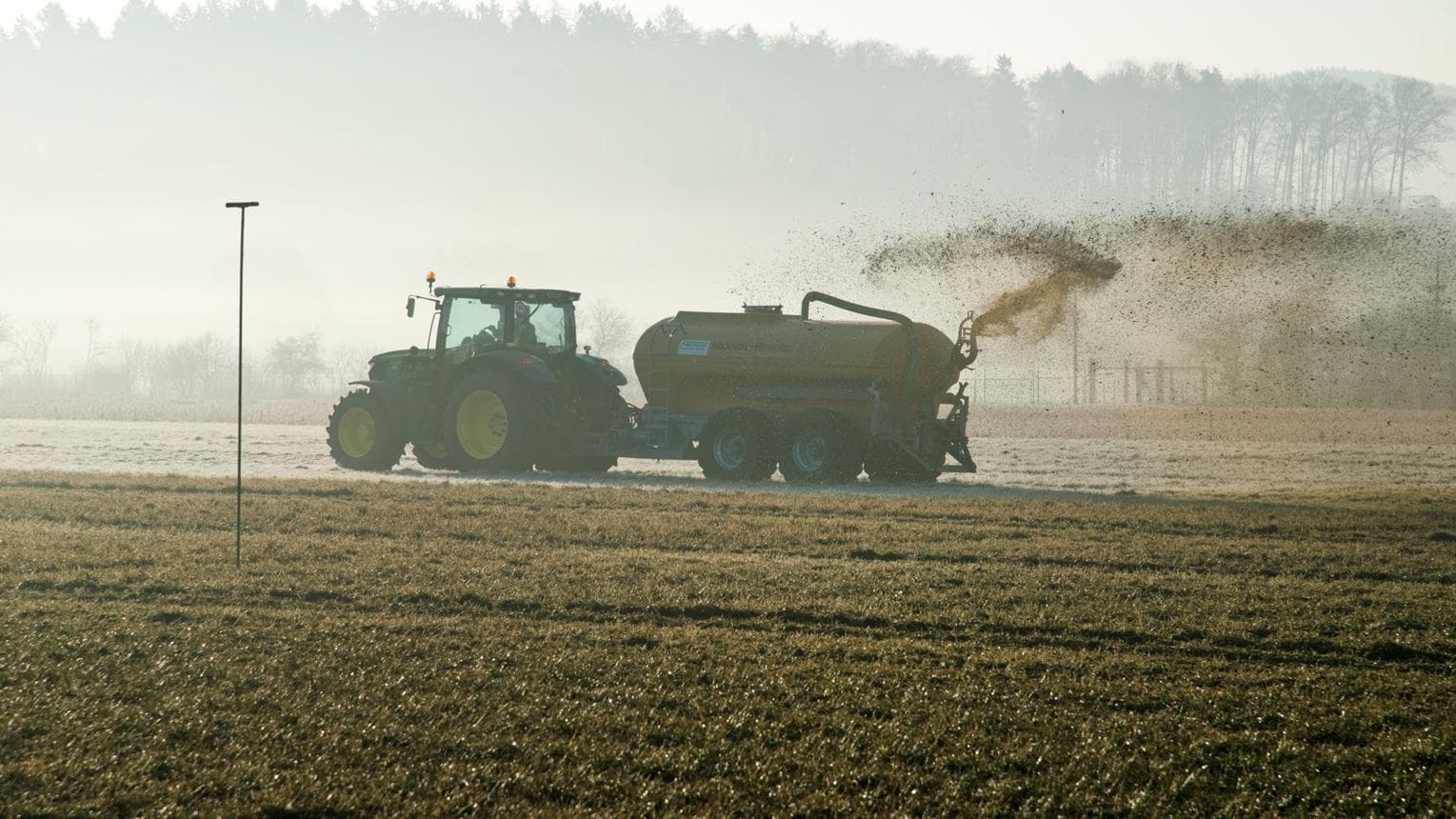
The agency frames the picture as cautious progress rather than success. Air pollution remains the largest environmental health risk in Europe, tied to hundreds of thousands of premature deaths each year. Closing the remaining gap, its analysts argue, will require attacking the harder sources, farm ammonia, residential heating and shipping, that have so far escaped the steep cuts achieved in power generation and road transport.